Showing posts with label pro-life. Show all posts

Wednesday, February 15, 2017

Seven Quick Takes

This post conforms to the blog rules.It's been quite some time since I did seven quick takes, a blogging/sharing technique created by Jen Fulwiler in the peak of her blogging days. (It's a cheap way to write a quick post when you're studying for CREOGs.)

#1
I have begun to realize that unity among pro-lifers is harder than I thought. I went to a huge benefit dinner for a (very successful) evangelical pro-life group, and I had to will myself to keep smiling. There was so much talk about how God would save America and how America was going to become great. There was so much talk about proselytism. As a Catholic, I know that God promised His Church would survive, not that my decadent country would survive. And I'm around to evangelize by example, not by discussing acceptance of the Lord with women in crisis. 

But I don't have to love everyone's tactics. Pro-life needs unity.

#2
Speaking of unity, Christian unity would be great for the culture, too. I've mentioned before that a lecturer I had in med school defended the LGBTQ community (awkwardly, and not to the enjoyment of the LGBTQ in the audience) by pointing to Christian disunity. He was attempting to explain how LGBTQ Christians should be comfortable with Leviticus, and expansively pointed to the number of denominations there are. The bible means whatever you want! 

At this point I'd settle for SSPX or the Orthodox Church coming into whatever communion with the Roman Catholics as is possible.

Here's something to help Christian unity: pray for an increase in your desire for Christian unity. Pray that the disunity will start to be painful to you, rather than just a bummer fact. Schedule this prayer for every time you pass a church of another denomination. Simply pray as you drive: "Lord, unite us."

#3
Are there any college students or PhD candidates reading? I would like a Catholic PhD so that I can fund bench research in mitochondrial replacement, methotrexate mechanism of action investigation, naprotechnology basics, and ectopic rescue. This is a big call--tell friends and relatives I'm looking.

#4
I have several friends who are rapidly becoming more and more accusatory of the Pope. We don't owe him affection, guys! We owe him filial obedience in matters of faith and morals. In the middle ages and renaissance the papacy was super messed up, but Catholics like St. Hildegard, St. Catherine and St. Joan continued to respect it supremely. They respected it because they worshipped Christ and trusted in His decision to establish the office. Let's do the same.

#5
Speaking of Pope Francis, there was a break-out session at the CMA conference about his theology. According to the presenter, his work is a type of Christian personalism, a theology of encounter. Authentic encounter leads to renewal of life and joy, in the pope's view, and a God-given mission follows on this renewal. The Christian mission is always one of mercy, the pope has said, and everyone is called to this mission of mercy. 

Moreover, the pope emphasizes frequently that the privileged starting place for our evangelical mission is with the poor. This is because the mission is modeled on Jesus, the "man for others," and thus will entail suffering as we accompany others into the Father's arms. This break-out session was largely drawn from Evangelii Gaudium, but much of Pope Francis' other work echoes these themes.

#6
I started cantoring at my parish a few months ago. I haven't cantored since middle school, and have been saddened by the weakness and loss of range in my voice since residency. My parish desperately needed cantors, so I volunteered.

I was shocked at how much stage fright I've developed! I can do a crash C-section fearlessly but I'm shaking while singing the Ave Maria that I sung at age ten in front of a packed church? It shows me a well of timidity (a form of pride) that I didn't know I had. I've been trying to care less and less about "human testimony" (Jn 5:34), and this is another chance to do that. Plus, it definitely confirms that I am an alto. I tried so hard to be a soprano as a kid, and now there's no doubt left.

#7
I had a wonderful, consoling, productive vacation. This makes me want to be a better doctor, but it also makes me want a calmer schedule. In particular, it makes me dread my upcoming 19-day run without a golden weekend. Say a prayer!

Wednesday, November 30, 2016

Elevator Speeches

Here are my quickie explanations for some of my countercultural choices. If someone really wants to know what I think, I tell them without holding back, in a way I think they'll understand.

Not prescribing contraceptives
Credit: euthman
I counsel about everything, but there is enough cell biology to make me think human organisms form at sperm-egg fusion that I don't like the post-fertilization effects of hormonal contraceptives. Barriers are harder to find a problem with, to be honest, but sex at its best is a total gift of one person to another, and barriers block some of that gift. I know it's not a perfect world, but (not to be crass) I want everyone to have sex at its best and I think not having that has bigger ripple effects than we think.

Opposing abortion
There are a lot of people personally affected by abortion, and I don't know where you stand. I can't pretend I understand any particular person's story but I can at least speak to the science that I tried to delve into. There is enough cell biology to make me think human organisms form at sperm-egg fusion, but that's the easy part. If we think there's an organism with human DNA formed at fertilization, the hard question is, when do we protect it like we protect the mom? When we're potentially talking about--ending of millions of protectable human life--I say we should be cautious. 

Offering NFP
I really think women should learn about all their options, and the quality of the evidence that supports each of them. There are fabulous numbers attached to several fertility awareness-based methods, but we need to acknowledge that these studies haven't passed through the rigors of statistical significance, peer review, and FDA approval.

Being a Christian
I believe there is a truth, something objective that exists and that is right and wrong. If you think that, you realize that truth has staying power, which is why fads and memes slip away so fast. One of the things with the greatest staying power is a two thousand year old story of a man who reportedly rose from the dead to save sinners. I'm a sinner, and I thought that staying power was something worth looking into. The rest can't fit into an elevator speech.

Being a Catholic
History leads to Catholicism. You can tell that men writing in the early decades and centuries A.D. were very identifiably Catholic. The reason why I'm Catholic isn't because I love the customs, the people in the hierarchy, or the feelings I get. It's because I love Christ and I see that this is the Church He founded.

Being a consecrated virgin
The Jewish idea of the people of God as the bride of God really flowered within the Catholic faith, and in the early centuries there were women married permanently to God. That rite is used today, and it's a beautiful life.


This post was a draft for a long time, because it takes me a lot of introspection and lived experience to encapsulate things that are this controversial and this important to me. Hope this is helpful!

Wednesday, May 20, 2015

When do we Truly Twin?

Many use twinning as an argument that life does not begin at conception/fertilitzation/gamete fusion.

Although what we do know of the inner workings of cells is tantalizing and beautiful, cells are still black boxes. The single-celled human zygote is the blackest (and most interesting) of these boxes. We have known for decades that there is early asymmetry in the zygote that later shows up in the division of the inner cell mass (ICM) and the trophectoderm.


We also know that intracellular components are moving as soon as sperm affects egg (cortical reaction, pronuclear migration events, etc). There is a great deal of mechanical action taking place, by which this tiny organism's body is quickly building infrastructure by which it will direct the rest of its development. Such organized activity promoting the development of a single organism is directed, like all operations of a living body, by a soul. This indicates (for those who don't realize this), that ensoulment occurs "at conception" (in non-scientific language), during fertilization, or at/around sperm-egg fusion.

But what about twinning? Complete twinning cracks a complex, tiny body into two between days 0 and 13 of life. Depending on when the cleavage occurs, the twins share zero, one or more tissues.

Twinning is a natural and normal process. We can tell this because a) it occurs frequently, and b) there is a falling-short of it--conjoined twinning.

What causes twinning? I propose that infusion of two souls occurs at conception/fertilization/sperm-egg fusion. These two organizing principles begin directing development of a single zygotic body. There are too many cooks in the kitchen, leading to an unstable union, perhaps because the processes directed by the two new souls don't place adherent components (e.g. desmosomes) where single souls would. This results in fracturing of the conjoined body (a process disrupted by some defect in the material in the case of conjoined twins).

Technology probably won't allow to see the difference between the intercellular workings of single-soul-driven and multiple-soul-driven zygotes for many years. Nevertheless, we can observe the end effect (what appeared to be a single body breaking in two parts and surviving, forming two complete sets of parts) and work back to the presence of two directing principles working from the outset on their completely totipotent cell.

Friday, May 15, 2015

Avoiding Eugenics: It's Easy!

Src: wired.com
I want to prevent inheritable disease. I think we should explore pre- and perinatal therapies as part of this. And not all the therapies I can imagine are approved by Church officials. Am I a eugenicist?

It the original sense of the word, no. I'm not a member of a "social movement claiming to improve the genetic features of human populations through selective breeding and sterilization." But more recently, the eugenics ideal has gone underground, and motivates some (not all) uses of prenatal diagnosis and abortion (related to race and mental disability). It creeps behind the language of "every child a wanted child," "working together for stronger healthier babies," and "healthy babies are worth the wait."

What if you could freeze oocytes (not morally illicit per se according to Dignitas Personae) and inject them later (e.g. after chemotherapy) in a woman's ampulla and allow conception to occur after natural intercourse? We'd need to learn more about construction of a zona pelucida and cumulus oophorous, but I bet we could do it.

What if you could CRISPR the ΔF508 out of all of a man's sperm, not only preventing this from being passed onto his sons, but also assisting the act of procreation, allowing him to build working sperm? This is germline gene therapy.

What if you could engineer a neo-ovary for a BRCA-positive woman, with her genome, minus the affected gene? That way, her offspring would not carry her genetic predisposition to breast and ovarian cancer. CRISPR would make it possible, and bioprinting would could make it real.

I don't think any of these things are eugenic in themselves (per se). Eugenics is marked by the erroneous equation between essential dignity and accidents like quality of life, health, beauty, intellect, usefulness, etc (paragraph 319 in the link). This error affects the intention behind the action, and the selection of means to the end of promoting those separable accidents.

None of the techniques I just listed are evil in themselves (malum in se). Printing tissue is not immoral, even printing tissue to replace reproductive organs. (Even though the reproductive system is set apart as half of a whole, meant to be used with a complementary system by a couple in a very sacred act, replacing an organ is a medical act that promotes the natural act of the human body.) Freezing cells, thawing them, and implanting them without IVF might be a roundabout way to assist fertility, but is not evil in itself. And germline therapy (I'm arguing something that not everyone agrees about now) is no different from somatic cell therapy, since it assists, rather than replaces or demeans, procreation and the health of offspring.

But any of those actions could be used with eugenic motives. A woman who wants to "clean up" her family tree or her society should re-examine her motives for neo-ovary creation. A woman who wants to freeze her eggs so that she doesn't use "the Down's duds" at the end of her reproductive life needs to re-think her intentions for egg freezing (and don't get me started on women who do this for their careers; that's a disaster of mixed priorities and apparent goods). A woman who plans to use germline therapy because she doesn't want to raise a child with mental retardation, or lose a child early, or pay for expensive drugs, needs to reconsider her reasons for germline gene therapy.

With a loving intention to contribute to the health of children conceived, and an attitude of acceptance of whatever children are conceived, we can avoid becoming eugenicists when we use morally neutral means to achieve a good.

Wednesday, April 29, 2015

Dr. Rebecca Kukla on Ultrasound Laws: a Rebuttal

Recently, Dr. Rebecca Kukla visited the university with which my college of medicine is associated. Sponsored by the departments of philosophy and humanities (and probably women's studies), she lectured on mandatory ultrasound laws regulating abortion. Her thesis: even those who favor restricted access to abortion should reject these laws, since they are bad for women and bad for clinicians.

Bad for women. Dr. Kukla argues that because the first ultrasound has become a very ritualized event (indicated by the prevalence of ultrasound pictures as the baby's first picture, the anthropomorphic language of ultrasound techs, the industry of cute-to-kitchsy merchandise to display the photos) which people use to transform themselves into fathers, mothers, families, siblings, etc. To subject a woman contemplating abortion to this ritual is traumatic and may make her choice more difficult.

Bad for clinicians. Law should not govern medicine, especially about disclosing information; the attempt to do this preoperatively (while noble) has resulted in uselessly long forms that don't demonstrably benefit patient autonomy. Realistically, physicians cannot present all possible information to their patients, nor should they, since this can be unhelpful, overwhelming, and unwanted in some cases. Physicians have the right and duty to select what kind of information is most helpful to the patient; these laws make this impossible by mandating a one-size-fits-all approach.

But it's actually Dr. Kukla's position which is bad for women and their healthcare providers.

Bad for women. I encourage us to look to the reason rituals develop. The first ultrasound has become ritualized because of the power of ultrasound to reveal what the fetus is--it allows us to sense the body and movement that we couldn't see or feel before. An ultrasound reveals a reality that already exists: an autonomous, immature organism of the human species. I agree that parents use it as an announcement tool, but they're not being transformed in any true way. Instead, they're seeing the cause of that transformation for the first time.

This part of the rebuttal relies on a premise that Dr. Kukla would probably reject--the premise that pregnancy = motherhood, that embryo/fetus = child. But even without this premise, I still have something to say, because another fundamental error in this argument is consequentialism.

To subject a woman contemplating abortion to revelation about her condition will inform her choice. I agree that this may be traumatic for her, and make her choice more difficult. But we should not base our decisions on the emotional consequences they incur; we should make decisions based on whether they are right or wrong. We don't avoid invasive procedures, chemotherapy, or psychotherapy because they are painful. We give family members of ICU patients all information about very dismal prognoses, even though that may make their decision to continue or withdraw treatment difficult. Information does not endanger freedom, although it may endanger the likelihood of someone choosing a particular option (such as to abort).

Dr. Kukla or others rightly point out that post-abortive women who are conflicted or wavering about her decision to abort have more symptoms of PTSD. They argue that we should not do anything to cause ambivalence, because this could contribute to a higher incidence of PTSD. I would repeat that we cannot make decisions (such as to perform ultrasound or not) based solely on their consequences. Instead, we should be open about risk of mental health problems and the risk factors that increase them. So, we should counsel patients about the importance of confidence in her decision, to promote her mental health. If she cannot be confident at the time of the clinical encounter, I would encourage her to take some time to consider her choice, and schedule a follow-up visit with her. This ensures that I am truly serving the patient to make the choice she can be comfortable with, not rush into the choice I want her to make.                              

Bad for clinicians. I agree that law should not govern medical practice. Medicine should govern medical practice. Protocols for ultrasound before abortion should come as "standard of care" recommendations from a professional organization, not as a regulation from lawmakers. This stems from the duty of physicians and healthcare providers to provide best practice for their patients.

But one of the duties of lawmakers is to protect citizens from injustice. When "injustice" and "failure in best practice" coincide, lawmakers must be act when physicians do not.

This argument depends on premises that Dr. Kukla would not accept, premises such as the gravity of abortion for a woman and a fetus. Without acknowledgement of the gravity of abortion, it is difficult to argue that "failure in best practice" is occurring in abortion without ultrasound. It is almost impossible to see how "injustice" applies at all.

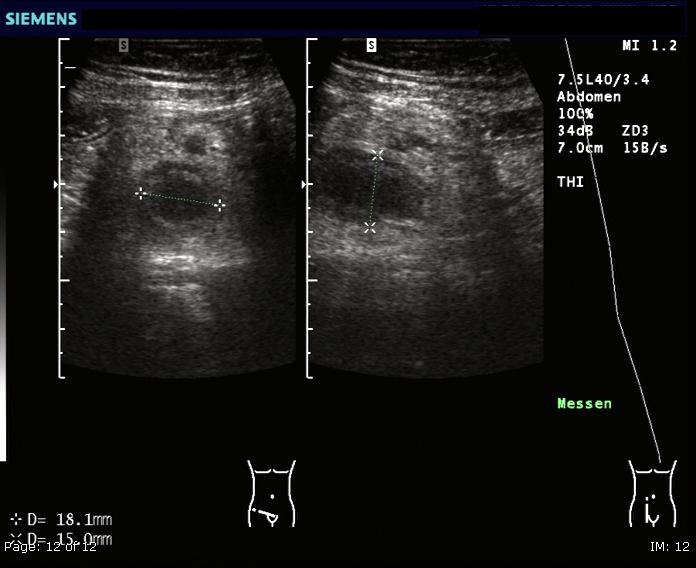
An enormous inflamed appendix. (Want to see a gallbladder?)
So what would I say to Dr. Kukla? I did raise my hand and speak. I said nothing about being pro-life, nothing about fetuses. I also didn't start an argument about what ultrasounds are. I didn't get to finish, but here's what I wish I could've said, in full:

"I wish this policy had come from ACOG. The practice itself makes sense, because it makes terminations like other minor surgical procedures--you know, for gallbladders and appendices. They do ultrasounds for those, and good docs go over scans with their patients before elective surgeries."

Tuesday, April 7, 2015

Stories from the ER: Motherhood

This post conforms to the blog rules.While working in the ER last semester, I met a woman who surprised me by her reverence for motherhood. Because there was real concern that she might have colon cancer (like classic-history, I-was-actually-scared-for-her concern), a CT scan was being ordered.

But one of the CT scanners was broken, so there was a long line for the other one. Worse, trauma cases kept rolling in that night. This woman had been in the ER for seven hours, and she was still awaiting her scan. She threatened to leave. The attending talked to her and came back. The nurse returned twenty minutes later. "She says she's gonna go," the nurse said. Her (perfectly acceptable) facial expression said, "And I'm resigned about it."

"I'll talk to her," I said. Talking to upset people is one of my favorite things to do, ever since I deescalated a potential emotional explosion in the psych ER waiting room and someone told me I was good at it. My theory is: it can't get any worse, and you can only make it better!

The attending was busy, so he let me. I went in and sat down, preparing for a long haul. My intention was to sit with that woman and talk with her until a radiology tech came to take her to the CT scanner. It was something I was uniquely poised to do, because I didn't have true clinical responsibility and I could be functionally absent for whole hours, if necessary. It would be good for this patient and our ER if she stayed--she'd know more about her colon (cancer?) and the ER wouldn't have her back in two months with inoperable disease. So the attending let me go, and I plopped down at her bedside, hoping to distract her.

It worked beautifully.

After a few minutes of expressing her displeasure about the wait, I got her talking about all kinds of things. TV shows, her day, traffic, weather, her old jobs, her family. Her favorite topic was her grandchildren. Her voice changed from unpleasant to soft and full of fondness. When she started talking about when she first became a mother, something peculiar happened.

Alfred Gilbert: Mother Teaching Child
"Oh," she said, looking at me with something between mischievousness and envy, "when you find your man and have a baby...! There ain't nothing like it, no where in this world. Nothing like giving birth, it's--tch!--can't be described a'tall. Miraculous."

Our roles suddenly reversed. I was no longer in power, pinning her down as one who knew better. She was instantly a queen, telling a little girl about magic.

"Really?" I asked.

"People say it's painful. I say 'ha!' Pain is nothin' compared to what you have. Your baby growin' inside you, then your baby in your hands. Just you wait, you're gonna be a good one. Now," she said, pragmatically, "how long I gotta wait for this CT?"

I grinned enormously. She'd taken me off my guard and my silver-tongued attempts to keep her in bed were suddenly exposed. I have a feeling she knew what I was up to the entire time, and was letting me win.

"I'm being honest," she said. "I still want to go."

"I'll ask," I said. I found out she was third in line and went back to her. "Number three!" I said, like we'd both won the lottery.

"Three?" she said, smiling. "Guess I'll stay, then."

I have no idea what the results of the CT were (it was read after my shift was over), but I got her to stay until she was in the scanner. She stands out in my mind as someone who values motherhood; even if she knew what I was up to, she was serious when she described how marvelous it is. I think of her frequently now and I try to have that esteem for motherhood, too.

Saturday, April 4, 2015

Stories from the ER: Elder Neglect

This post conforms to the blog rules.The ER rotation was four weeks of shifts during interview season, during which I saw the entire spectrum of urgent to extremely-emergent care. I inserted IVs and foleys, I did ultrasounds, I put on splints, and I stitched up lacerations (the highlights of which were a flap closure on a woman's nose and an 11-centimeter arm lac). I also saw patients and attendings work their way through crises, deaths, and long waits for the CT machine. Here are a few of the stories that had the strongest impact on me.

An elderly man with COPD on oxygen came in with vague complaints. He had been to the ER (brought by EMS) several times in the past for similar things. He was cachectic, his lips were terribly chapped, and his saliva was thick and white. As I took his history, it became clear that this was a case of elder neglect: his children didn't visit and he was alone all day. He said he didn't drink much water, because his oxygen tubing wasn't long enough for him to get to the bathroom in time. His teeth were caked in plaque and tartar because of his dehydration. I saw in the medical record that he'd declined home health nursing before, and I knew I had to do something to change his mind.

It was a long history-taking session. I knew my attending would be wondering what took so long, but for once, I decided not to care. This man needed someone to sit down and be quiet, to appreciate his loneliness and change it. At the end of a long monologue of truly tragic complaints, I said. "I'm sorry."

"It's not your fault," he said.

"But it feels terrible to be isolated."

His eyes stayed on me for half a second, because he saw that I'd understood. "Yes," he whispered.

I asked him about his previous decisions on home health. He didn't like that home health nurses made such quick, business-like visits. We talked about more prolonged companions. As I left he squeezed my hand. "Thank you," he said. I smiled, and I went back to my attending and with a very short presentation. "This is an 89-year old white gentleman with COPD who is suffering from a very lonely home situation, and needs a social work consult for an in-home companion." As I moved onto the next patient, social work was arranging something.

I wish we took care of our elderly in our homes. When interviewing out of state, I stayed with one Catholic family who gave me the best example of this I've ever seen. They had emptied their front living room of furniture so that their elderly, demented mother could have a hospital bed and a lift chair there. This woman was nonverbal and could not move by herself, but her daughter kept her at home. The room opened onto the kitchen so that this elderly mother could join in family meals and engage with her grandchildren doing homework at the table, in the very limited way that she could. She could be heard if she moaned, and she could be checked on easily. 

In this case, both spouses were physicians (one a retired, stay-at-home parent), so I know they were competent to do this. But in many situations, competence in caring for an elderly parent is easy to gain from a few weeks of home health visits. It's not competence, but generosity that is frequently lacking. Most don't realize how isolating and miserable life becomes for someone so rich in life experience and so used to social interaction. It takes generosity to place yourself in the position of an elderly person, and further generosity to improve that position by opening your home.

This patient could certainly be cared for in a son or daughter's home, provided that someone was at home for at least half a day. I ask any young professionals or young married couples reading to please remember to care for your parents!

Saturday, October 11, 2014

The Truth Turned Someone Away from an IUD

This post conforms to the blog rules.Because of my conversation with a patient, she chose not to have a hormonal IUD implanted, a form of long-acting contraception that can end a zygote's life. All I had to do was tell her how it worked.

I was on an audition rotation in a pretty pro-birth control clinic. A young patient with extremely severe menorrhagia was failing oral management (i.e. NSAIDs and high-dose birth control pills weren't helping). Her compliance with daily pills was in question and at the last visit my attending, Dr. L, had discussed mirena with her. I would have been comfortable giving her a mirena, except that she was sexually active. And I know that the mirena can cause damage to a zygote ("fertilized egg" to some, but a person nonetheless). So I told her that the attending would be speaking with her about that prescription, but that there were nonhormonal options, too (lysteda or amicar). I counseled her about the nonhormonal options and about mirena and nexplanon. She couldn't decide what she wanted to do.

"What would you do?" she asked. My heart sang.

"HA! She ASKED," I thought victoriously. "I told myself that I wouldn't make my own recommendations in opposition to the attending unless explicitly asked. AND SHE ASKED!"

"Actually," I said aloud to the patient, "I don't recommend mirena." I explained how it affects the endometrium and can cause loss of the cells that forms after sperm and egg fuse. "And when that embryo is lost, that's an early miscarriage. And I don't want that--"

"I don't want that either," broke in the patient.

"--so I won't in conscience recommend mirena to my patients. But Dr. L does prescribe it, so..."

"No," the patient said. "I guess I'll try the other things."

I left the room promising to bring back a pamphlets on those meds. I returned to the charting room and faced the pamphlet rack. As I pulled out a lysteda brochure, Dr. L said, "Tell me about your lady."

I presented her. "This is your 14-year-old African American patient with a two year history of disabling dysmenorrhea. She hasn't had relief with ibuprofen, orthocyclen, or ogestrel; we talked about mirena and nexplanon but she's interested in something non-hormonal. I counseled on lysteda and she wants more information. Physical exam is benign, she's had guardasil, and HEADS survey is unchanged since last visit; same male partner, 100% condom use. No tobacco, alcohol, or drugs."

My attending was pleased with my presentation, but not pleased that the patient didn't want a mirena. Dr. L joined me at the pamphlet rack and began to pull out brochures for nuvaring, nexplanon, and skyla. She stuffed the sheaf into my hands and sent me back into the patient's room.

(Skyla, btw, has the a disturbingly and tragically accurate advertising campaign, featuring sexually-active women explicitly prioritizing activities over children. How can people ignore the identical mindset behind contraception and abortion?)

I showed the patient the whole stack, but emphasized that everything that has hormones works like mirena. I gave her the pamphlet she wanted, and went back to my attending. "She's still going with lysteda," I said.

Then my attending went in with me. I was a little afraid that she might dissuade the patient from her decision. But this attending actually walks the walk when she supports "patient autonomy," so my patient was allowed a limited trial of lysteda. I have no idea what happened after that, but at least for now, that patient is aware of what hormonal contraceptives can do.

Sunday, September 21, 2014

I Can't Hide Forever

Me during most of med school.
Credit: CavinLicense
I laid low during medical school. I mean, I started a pro-life med student group, got Maureen Condic to come talk to on our campus, and prayed outside Planned Parenthood in my white coat, but I didn't have a lot of frank discussions with my peers, residents, or attendings about abortion, contraception, and primary sterilization. I stayed in the cocoon of "I don't have to do any of those things, so I don't have to explain why I'm not doing any of those things." (By contrast, one of my friends at another med school started a high-powered NFP group and is always ready to talk about it with poise.)

But I'm beginning to realize that as my responsibilities increase, my ability to hide decreases. A few circumstances have recently brought home how soon my cover is about to be totally blown. Worse yet: I'm about to be required to blow it myself.

Chairman's Letter
When you apply for residency programs through ERAS, you need letters of recommendation; minimum 3, maximum 4. Some programs require a "chairman's letter," that is, a letter from the department head of your chosen specialty. For this reason, I took an elective in the chair's specialty (urogyn) and spent several afternoons in his clinic, trying to show off my clinical skills and seem like an awesome person. I tried NOT to bring up anything related to contraception (should have been easy in urogyn, right??), but the Chair is apparently smarter than that.

Myeughh...why are you so perceptive and direct?
Credit: Niklas. License same.
The first thing he noticed was my cross. I wear the cross of San Damiano every day to remind me to be as humble and pure and excited as St. Francis was to rebuild the church. He asked about it, and he thus learned that I am Catholic. Immediately, he asked me about contraception and abortion. So I explained. 

Later, I arranged a meeting with him to ask for a letter. I forwarded the resume I was going to send to residency programs, which included my pro-life work, degree from TAC, and the Notre Dame Vita Institute. These meetings are one degree above formalities: at them, the letter-writer will inform the letter-seeker that yes, he/she can write a good letter. The writer may ask about career plans and other resume items, or things not on the resume.

He sat me down and said he'd be glad to write me a letter, but he needed to know more about how I would act in a few situations. And then the meeting became like an oral board exam: he pitched two scenarios and asked me what I would do. I knew my letter was hanging on this. Would I help in a C-section followed by a tubal if I was the resident on call for the night, and no one else was there? (Yes to the C-section, no to the tubal; not a great hardship for the attending, I think, if the attending is already scrubbed.) Would I refer to a partner MFM if I, as an MFM, was sent a patient who wanted an abortion? (I would recuse the referral and refer to the front desk.) This caught me slightly off-guard and made me realize that time is coming.

Running the Adolescent Clinic

On one of my rotations (adolescent medicine), I was frequently exposed to sexually active patients requesting hormones, for contraception or otherwise. This made me deeply unhappy and I was not at peace in that clinic, but I deferred management to the attending for the most part, which was easy as the student. I couldn't put in orders without a cosign, so everyone put in their own orders. I would talk around the prescription of oral contraceptives ("She's currently on ortho-cyclen.... She says she needs refills today"). 

One particular attending, an older gentleman, couldn't use the EMR. The residents and fellows usually put in orders for him, but one day there was no resident and no fellow in clinic. As the fellow sent me to clinic from morning rounds, she said, "you're just going to have to put in orders. I'll co-sign them later. Sorry for the trouble; you can figure it out, though."

I was in dread. Happily, a pediatrics resident showed up, so she put in all the orders. There was only one scare: I was the last one to leave clinic (woo-hoo for being a "good" med student), and the nurse ran up to me and said "Someone's order wasn't put in for her depo. Can you put it in?" Luckily I was able to text the fellow. But it's clear that my window of safety is closing.

Preparing for Interviews

I have been repeatedly advised to disclose my "beliefs" to program directors on the interview trail. This makes total sense to me: a residency program is a cross between a large and very consuming practice, a family, and a class. The perspective of a typical OB/GYN resident toward an intern who suddenly announces (after match or just before July 1) that she doesn't do x, y, or z is that the intern is deceptive, lazy, and manipulative. That sort of intern isn't well-liked, and she probably isn't going to get what she wants.

If, instead, the whole package (smiling, interesting, professional applicant with solid CV, grades, and letters, plus some relevant personal beliefs that will require extra work) is sold at once, the bait-and-switch and resulting resentment is all avoided. I might even hope to make the other residents curious about why I've chosen to do what I do.

So the time of hiding is over, and I must know show myself as I am. It'll be hard for me, because I have a strong desire to please, and the "limitations" that I insist on are not pleasing. I need to focus on how true, good, and beautiful my choices are; I need to be unafraid of being misunderstood; I need to be confident that God has a plan (hopefully a residency) for me where I can do His will safely.

Now it's time for courage, which is why I'm so glad that the CMA conference this year is on Courage in Medicine. I'm bending my schedule over backwards to go to it (carving out part of my sub-internship and making a 20-hour drive to my next away rotation), but I want the help. Please help me with your prayers as well.


Wednesday, September 10, 2014

Mitochondrial Transfer: Third Parents? Immoral?

Short answer: no. Long answer requires that we think about cellular anatomy and moral teaching. We will also reply to objections. Tl;dr? Read bold.

Cellular Anatomy

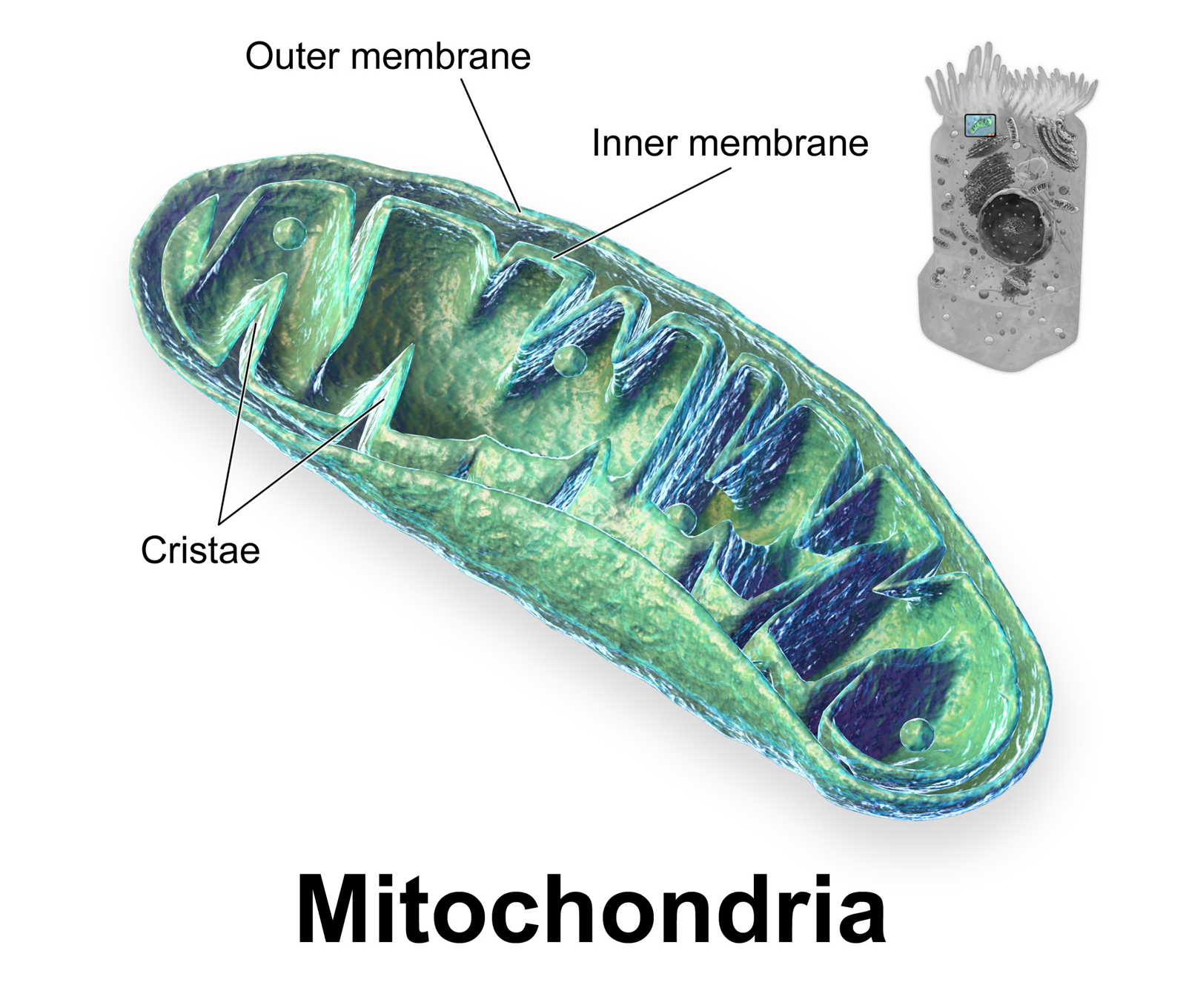
A mitochondrion (plural mitochondria) is a cellular organelle responsible for cellular respiration. Organelles are like the "organs" of cells (although they carry less inherent information).

Mitochondria are unique among organelles in that they carry a little bit of unique DNA encoding several key metabolic proteins not coded in the human genome. This may be because mitochondria were, in the distant evolutionary past, symbiotic organisms. These organisms lived inside other unicellular, then multicellular organisms, and eventually lost their independence. This DNA is human because the mitochondria are now parts of human cells, not independent organisms. However, this DNA is technically called "extragenomic."

Moral Teaching: Organelle Donation

There are no other examples of organelle donation apart from cloning (nuclear transfer to an egg before the egg is used in IVF). Cloning is directly addressed in Donum Vitae
Procedures designed to influence the genetic inheritance of a child, which are not therapeutic, are morally wrong. To try to correct a genetic disorder, such as cystic fibrosis, is morally permissible, whereas to manipulate the genetic structure to produce human beings selected by sex or some other quality is wrong. Attempts to produce a "breed" of humans through cloning, twin fission, or parthenogenesis outside the context of marriage or parenthood is immoral. These manipulations violate the personal dignity of the human being and attack his integrity and identity. 
(Emphasis mine.) From this quote, it might at first seem that the intention of producing a breed is the evil to be avoided, but the last sentence makes it pretty unavoidable: cloning violates human dignity.

But look closely at what Pope St. John Paul II says: "Procedures designed to influence the genetic inheritance of a child, which are not therapeutic, are morally wrong." (Emphasis mine.) This explicitly excludes mitochondrial transfer.

Mention is made of cystic fibrosis, which could be corrected cellularly at the early level by extragenomic gene therapy. The only difference between this and treatment of mitochondrial diseases is that the extragenomic DNA in genetic therapy for CF is carried by bacteria, while the extragenomic DNA in genetic therapy for mitochondrial diseases is carried by human organelles. (Makes mitochondrial transfer look downright natural and convenient, doesn't it?)

But this is not just about cells and molecules. It's about gametes and parenting, and that is why most people get antsy--because mitochondrial donors have been called third biological parents.

Moral Teaching: Parents

What is a parent? I'm not planning to hammer out a definition of "parent" today, especially since Catholic Encyclopedia can't. This is a dialectical argument to show you that parenting has to do with raising children, especially with the reproductive capacity at the beginning of the child's life.

Any definition of "parent" should be wide enough to include the following people:
  • a woman who, with her own egg, conceives a zygote in her own uterus (biological parenthood, simply speaking)
  • a man who, with his own sperm and body, fertilizes a woman who conceives a zygote in her own uterus (biological parenthood, simply speaking; this spectrum includes everything from rape to monogamous marriage)
  • a person who raises a child conceived by other persons as his or her own (technically modified by the word "adoptive" or "foster," as in scripture of St. Joseph)
Notice that biological parenthood, simply speaking, is all it takes for us to call someone a mother or father. However, this is based on reproductive tissue (gametes), not DNA. Gametes may have too many or too few chromosomes; chromosomes may have repeats, deletions, or nonsense mutations; eggs may carry many or fewer mitochondria; mitochondria may carry defective extragenomic DNA.

Key point: contribution to the DNA content of the zygote (which determines congenital disorders) does not matter as much as contribution of reproductive tissue. So what about this person:
  • a person who gives his or her own DNA-containing mitochondria for transplant into to a woman's egg before the woman's egg is used in IVF?
This person is donating cellular parts, not gametes (let alone years of time). I argue that this person belongs on a list of people who donate parts. A list like this:
  • a person who gives his or her own undifferentiated white blood cells to a hematology/oncology patient (bone marrow donor)
  • a person who gives his or her own red blood cells, platelets, or plasma to another person (blood donor)
  • a person who posthumously gives his or her own ocular tissue to another person (cornea donor)
  • a person who, living or posthumously, gives part of his or her own body to another person (organ donor)
In short, the person who gives their mitochondria for transfer is not violating human dignity. He or she saves the life of children conceived with mitochondrial disease, but he or she is an organelle donor, not a parent. 

Ghost Heart (Decellularized)
Src: TED.
Replies to Objections

  1. But no other organ donation includes non-genomic DNA.
    False. Every donation that includes mitochondria includes non-genomic DNA. This is everything but decellularized organs, plasma, platelets, and stool.
  2. Okay, so no other organ donation includes only non-genomic DNA.
    True. But there are other organ donations that are exclusively for the purpose of transferring DNA and hoping to replace the recipient's phenotype with the donor's. The best example is bone marrow transplants.
  3. But mitochondrial transfer still requires IVF.
    Very, very true. Although I hold that mitochondrial transfer per se is morally licit, I cannot condone current methods of mitochondrial transfer which involve IVF.

Saturday, August 30, 2014

Organ Donation: Is Your Soul Gone when Your Brain Dies?

I had some experience while on my trauma/acute care rotation with brain death and organ harvesting. One of my good friends was on the transplant service at the same time. "I think there's a harvest tonight," I said to him one day. A patient on our service, who had come in with severe brain damage after a hallucinogen-associated accident, had been declared brain dead. His family had consented to donation. I saw the organ donation representative with his binder and papers hovering around the room. And the patient's name disappeared from our check-out list (the list we keep of the patients so that we can hand them off to the night team). Sure enough, there was a harvest that night.

It sounds macabre, and it is. Late one evening, I was walking down the long hall of operating rooms to get a snack out of the physician's lounge. I passed by the screen at the front of the OR that displays all ongoing surgeries. Each operating room has a row, and the cases stretch out like long ribbons along the row, with every hour taking about three inches on the screen. Because it was 7:00 or 8:00 in the evening, no elective cases were scheduled. There was a laparoscopic appendectomy posted for the near future: it was about eighteen inches long on the screen. But at the bottom of the screen stretched an enormous band of orange, disappearing to either end of the screen. "HARVEST" was the procedure.

I walked down the hall. Outside the room's door were many styrofoam crates with plastic bags labeled "human organ for transplant" and advisories about temperature and transport. There was a liver box, a kidney box, a heart box, a box for blood.... No shades were drawn over the windows, so I looked in. The body on the table looked pale; I later realized that this was because blood was being taken. And instead of a cot or hospital bed waiting outside the door, as in every surgery, there was a long box on wheels. A tank, from the morgue.

The Catechism, in 2296 (in the section on Respect for the Person in Scientific Research) has this to say about organ donation:
Organ transplants are in conformity with the moral law if the physical and psychological dangers and risks to the donor are proportionate to the good sought for the recipient. Organ donation after death is a noble and meritorious act and is to be encouraged as a expression of generous solidarity. It is not morally acceptable if the donor or his proxy has not given explicit consent. Moreover, it is not morally admissible to bring about the disabling mutilation or death of a human being, even in order to delay the death of other persons.
I had heard the horror stories about people (rather than bodies) being harvested. But med school gave us training to recognize legitimate brain death. This included forceful reminders that that two physicians must agree on the criteria. But is brain death a suitable way to determine that the soul is gone?

Maureen Condic, Ph.D. wrote a helpful essay entitled "Life: Defining the Beginning by the End." Published in 2003 by First Things, the essay discusses the beginning of life by considering death. I was already a Condic fan, because of her phenomenal (and unsung) white paper on the beginning of life, and because I was a Vita Institute participant.

Condic highlights the distinction between cellular (or even organ) life and life of the organism. (Busy people read the bold.)
Brain death occurs when there has been irreversible damage to the brain, resulting in a complete and permanent failure of brain function. Following the death of the brain, the person stops...sensing, moving, breathing...although many of the cells in the brain remain “alive” following loss of brain function. The heart can continue to beat spontaneously for some time following death of the brain (even hearts that have been entirely removed from the body will continue to beat for a surprisingly long period), but eventually the heart ceases to function due to loss of oxygen....

The fact that the cells and organs of the body can be maintained after the death of the individual is a disturbing concept. The feeling that corpses are being kept artificially “alive” as medical zombies for the convenient culture of transplantable organs can be quite discomforting, especially when the body in question is that of a loved one. Nonetheless, it is important to realize that this state of affairs is essentially no different from what occurs naturally following death by any means. On a cellular and molecular level, nothing changes in the instant of death. Immediately following death, most of the cells in the body are still alive, and for a time at least, they continue to function normally. Maintaining heartbeat and artificial respiration simply extends this period of time. Once the “plug is pulled,” and the corpse is left to its own devices, the cells and organs of the body undergo the same slow death by oxygen deprivation they would have experienced had medical science not intervened.

What has been lost at death is not merely the activity of the brain or the heart, but more importantly the ability of the body’s parts (organs and cells) to function together as an integrated whole. Failure of a critical organ results in the breakdown of the body’s overall coordinated activity, despite the continued normal function (or “life”) of other organs. Although cells of the brain are still alive following brain death, they cease to work together in a coordinated manner to function as a brain should. Because the brain is not directing the [diaphragm] to contract, the heart is deprived of oxygen and stops beating. Subsequently, all of the organs that are dependent on the heart for blood flow cease to function as well. The order of events can vary considerably (the heart can cease to function, resulting in death of the brain, for example), but the net effect is the same. Death occurs when the body ceases to act in a coordinated manner to support the continued healthy function of all bodily organs. Cellular life may continue for some time following the loss of integrated bodily function, but once the ability to act in a coordinated manner has been lost, “life” cannot be restored to a corpse”no matter how “alive” the cells composing the body may yet be.
If that sounded interesting to you, I encourage you to read the rest. Condic goes on to talk about how this definition excludes persistent vegetative state (i.e. we can't argue that Terry Schiavo should die from agreeing that brain death = death), and that this definition does not hang on consciousness or cognitive function (i.e. we can't euthanize the unborn, the disabled, or the demented because we agreed that brain death = death). I disagree with a few of Condic's assertions, notably that we cease to think upon brain death. (who, with the light of faith on matters like the communion of saints, would say that the soul, separated, cannot think without the brain?) But the rest of her work is medically excellent as far as I, eight months from M.D., can see. This is also philosophically sound as far as I, a bachelor in philosophy, can see.

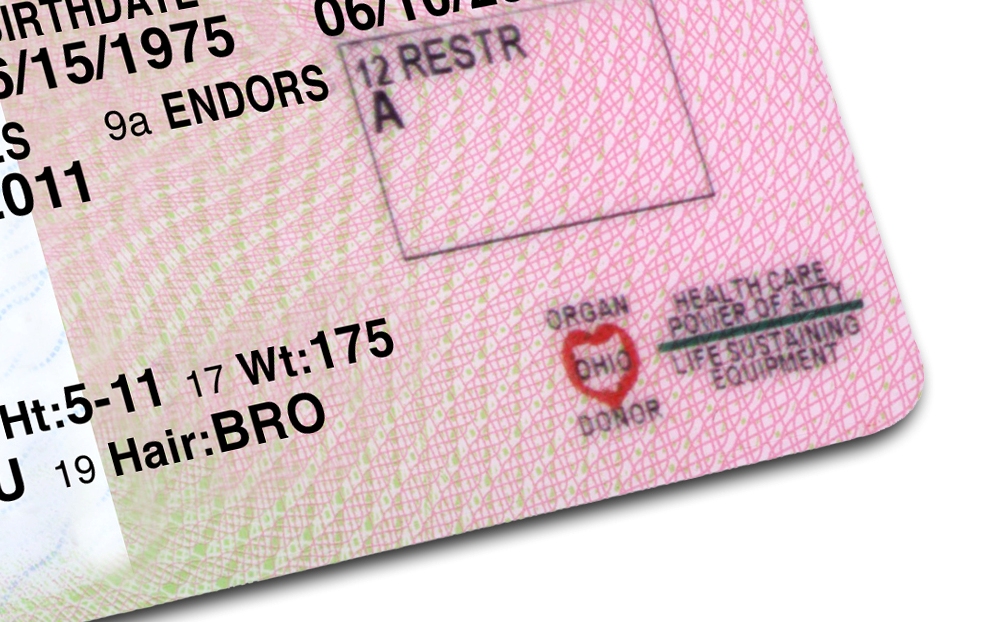
When I initally got my driver's license, I was still undecided about organ donation. I renewed it recently, and I'm now a donor. I encourage you to prayerfully consider donation, too. Besides saving up to 8 lives, you could also bring closure to your family after your death, all in accord with Catholic teaching, sound philosophy, and accurate medicine.

(Spoiler alert: that's not my license at left.)

Wednesday, July 2, 2014

Fund a Battleship

I'm going to the Pope Paul VI Institute (PPVI) medical consultant program in November! This is a six-month thing with two on-site weeks in Nebraska at PPVI. It's going to cost about $5,000, so I'm fundraising. Tell EVERYONE you know! Even if you don't donate: go to the page, comment with Facebook, tell more people to do the same. Let's make it the most popular gofundme ever!!

Tuesday, June 24, 2014

The Radiology Department Believes in Protecting the Unborn


The radiology department at one of the outpatient clinics requires all women between 11-50 years old to sign a form to prevent "harmful" radiation to "unborn children." It's not fair to twist this into "the radiology department holds that there is a child at all times during pregnancy," but I can at least assert that the people who made this form believe in protecting people before birth. Just interesting.

Friday, May 23, 2014

Abortion Hurts Women: I've seen It.

This post conforms to the blog rules.
I witnessed emergency surgery on a woman with complications after abortion. Someone had perforated her uterus, and she was rushed to our hospital.

I only heard about the case incidentally. I was on a different service (not the gynecology service, and not even on my OB/GYN rotation). I happened to be down in the main OR, and I was just leaving when I saw one of the OB/GYN chief residents I knew. I’d been trying to arrange a meeting with him about residency program selection. I was eager to hear what he had to say, because I happened to know that this chief had interviewed specifically to avoid performing abortions, or “terminations” as OB/GYNs often say. We’d never gotten to talk because he was out of town for vacation, I was out of town for the cardiothoracic surgery rotation, etc. When he saw me, he seized the moment to sit down in the physicians’ lounge and give me a list of programs he liked and a list of programs he didn’t like.

As we were talking, I noticed that not only was he there, but so was the third-year GYN resident, their attending, and the medical student on gynecology. This meant they had a pretty intense case. (The rarer the case, the more likely the upper-levels are involved. And to have two residents in on a case is rare indeed.)

The third year resident (R3) noticed that I was counting and surmising. “Something's coming up from the ER,” the third-year said, to explain why they were all there.

“A perf’d uterus from an abortion,” the chief said. The attending sat wordlessly by, watching the television.

“Your dream case, right?” the R3 said to the chief, smiling. From his comment and tone, I surmised that the R3 was probably pro-choice, and was joking with the chief, who had never done an abortion but who (I guess?) needed to log one. “Are you going to count this as an abortion?” the R3 joked.

The chief smiled back good-naturedly. “Yeah,” he said quietly, “ ‘open abortion,’ ” he said, referring to how he would make his incision. What must it be like to be pro-life among pro-choice colleagues for four years of training?

I asked to observe the case, even though I knew I couldn't scrub in (because there was already a med student and two residents, and because I wasn't even on the gynecology service). The attending gave her permission, and I went to see the patient in preop. She lay there on the ER cot she'd come in on; next to her was her significant other. She looked like a woman in pain—physically and emotionally. The other medical student (the one actually on the gynecology service) was scrubbing, so I took my place at the foot of the table, behind a machine and next to the kick bucket (where the used/bloody sponges are tossed).

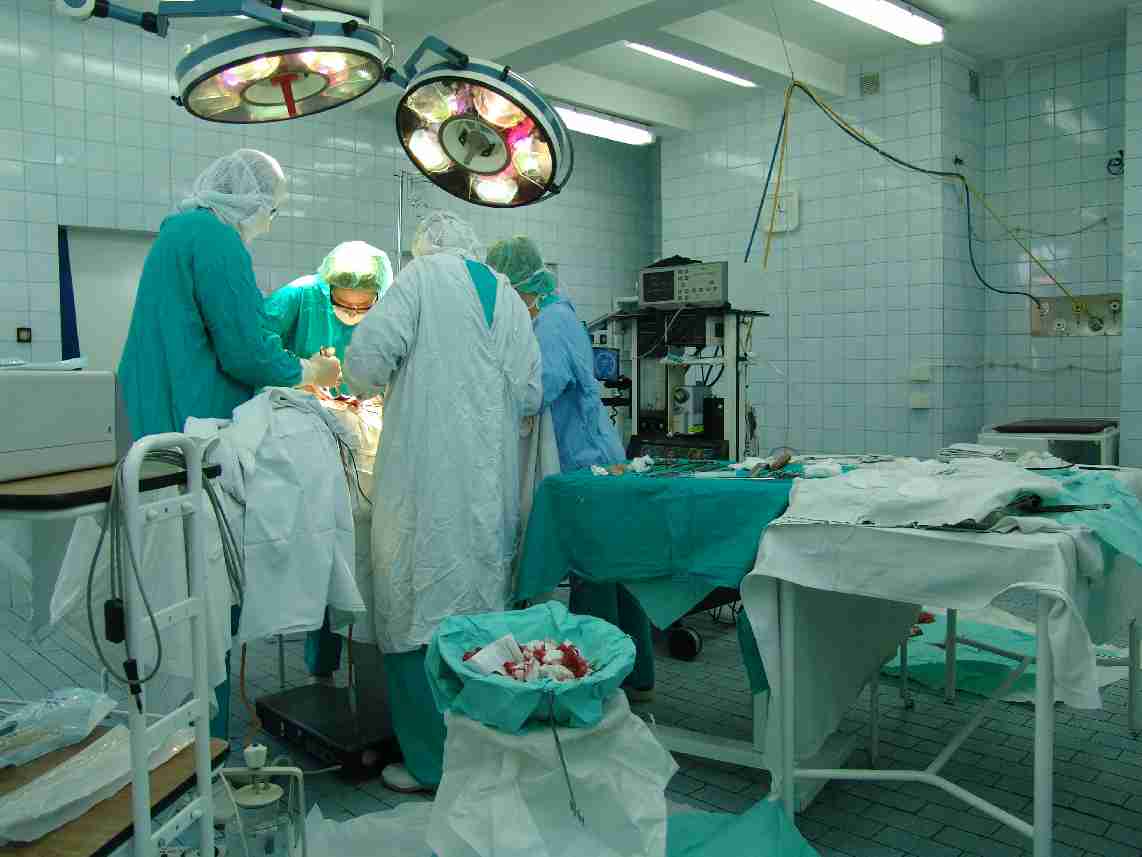
There were a dozen people in the OR. This is a stock photo.
Once the patient was asleep, the chief resident made a large midline incision. Blood and clots came out as he reached the peritoneal cavity. The anesthesiologist ordered two units of red blood cells. I literally had to be careful not to get splashed as bloody sponges were tossed into the kick bucket in rapid succession.

The chief and the attending opposite him pulled the incision open like an emergency C-section, and then the chief reached in to explore the patient’s body with their hands. The chief resident emerged and passed something to the scrub tech, who placed it on her mayo stand, just a foot away from me. It was the head and shoulders of a fetus—a tiny, perfect bust the size of a plum. Next, they found the uterus and pulled it up. I could see it: part of it was a healthy pink, but one corner was mangled, raw, purple, and bleeding. They then explored the surrounding organs, and found the sigmoid colon nearly transected, the proximal and distal limbs held together by a pencil-sized strand of mucosa or mesentery (I couldn’t tell). When they pulled that up, there was an instant of silence as everyone in the room mentally said something between “oh my gosh” and an explicit oath.

“We need colorectal,” the attending said commandingly.

“Colorectal?” repeated the circulator, lifting the phone.

“Stat,” replied the chief resident.

The other medical student, who had already been on the trauma service, turned to me and said, “that’s worse than I ever saw on trauma.”

Again, stock photo. The OB/GYNs didn't need
headlights or loupes (or that sternotomy
retractor), but the rest is accurate.
Then began the fastest and bloodiest hysterectomy I’ve ever seen (and the only supracervical hysterectomy I’ve ever seen). As they cut away the fallopian tubes and ovaries, I heard the anesthesiologist say, “can we get two units stat?” The OB/GYNS continued to work like machines, clamping vessels and cutting uterine muscle, while the anesthesiologist updated them: the patient’s blood pressure was dropping, and he couldn’t get it up. “We need a trauma tray,” he finished.

“Trauma tray!” confirmed the circulator.

The anesthesiologist was starting an arterial line at the patient’s wrist. Beneath the sterile towels he’d draped over her arm, I saw that her fingers and fingernails were white, like the bodies we’d dissected in gross anatomy. The patient had started as a beautiful shade of bronze—she must have lost a lot of blood to be sheet-white like that! I started to pray.

Colorectal arrived—an attending and two fellows. Because I was the only one in the room without a job, I gave them the one-liner presentation. “This is an **-year-old female with perforated uterus and sigmoid after therapeutic abortion earlier today.”

“I heard,” the attending said grimly. He and one of the fellow got gloves and gowns. The OB/GYN attending looked up at them, her bloodied gloves holding two enormous clamps that disappeared into the patient’s pelvis. Her expression was remarkably calm. “We’re almost done,” she said. “We’re taking out the uterus.”

At that moment, my pager went off. I thanked the attending and went to see the patient I was paged about. It was a very boring “trauma,” for which I did nothing and the patient was wheeled (completely stable) to the CT scanner. As soon as I was free again, I went back up to the OR. The case had just ended, and the chief was writing the post-op note in the physician’s lounge.

I only had one question for him: did she make it?

“Yeah,” he said. He told me about the remainder of the case, most of which I don’t remember. I talked with the medical student the next day and he had more information.

“It was a cornual pregnancy,” he said. “So whoever was doing the abortion was going to perforate the uterus no matter what.” He knew I was against abortion, and I expected he said this so that I didn’t go on an abortionists-are-so-incompetent march. What he said fit with the appearance of the uterus—one corner destroyed.

“She also got a colostomy,” the med student went on. “And she didn’t know that. So when I went to round on her this morning and asked her how she was doing with a colostomy, she didn’t know what I was talking about. And she was pretty upset when she found out.”

This woman lost her baby, her uterus, and part of her colon. Although her colon would probably be reanastomosed later, she currently had a colostomy and unexpected time away from work, plus a long new scar and postop pain. Add to this that she was not safe during this surgery: her blood pressure was very low during it, and I was afraid for her life.

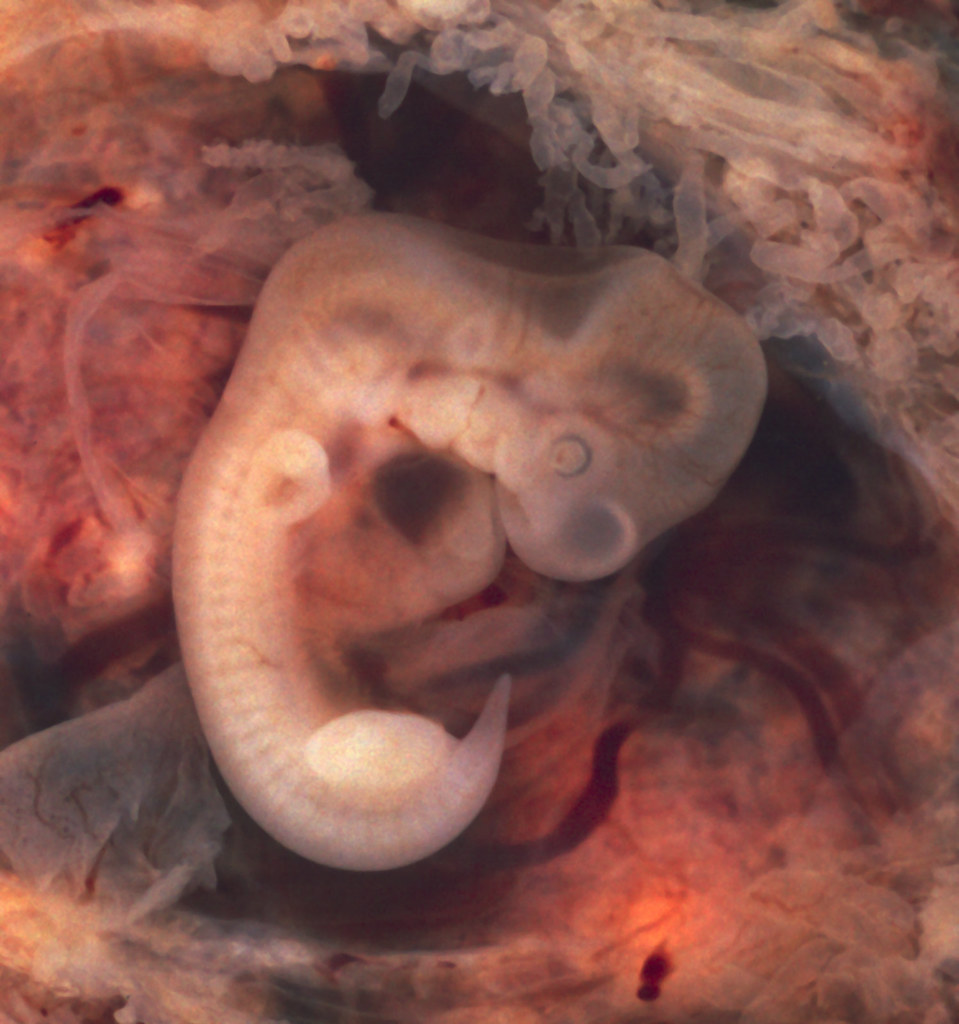
*SIGH* Stock again; her baby would have been much
smaller, less developed, and in the horn of the uterus.
I was very unhappy for her. Laws were recently enacted in my area to require preop ultrasound. Would preop ultransound have shown the location of her fetus? Had it been done? Had it been done carefully and well? Did they rule out cornual pregnancy? Did they see it but think they could do it anyway? Did they tell her she had a cornual pregnancy? Did they really give good informed consent?

I left with the overwhelming feeling that abortion clinics don’t provide best medicine to patients. And I already this, but now it was impressed on me forever: abortion hurts women.

Saturday, October 5, 2013

Pediatrics: An Inspiring Rotation

This post conforms to the blog rules.
Although pediatrics has not felt as relevant as other rotations, I've certainly had a lot of chances to be humbled and amazed by the parents I meet.

"Lupita"
In the outpatient clinic I worked in, my preceptor had me shadow for well child visits. One afternoon, I followed him into a well child check, only to see no child in the room...only a middle-aged woman sitting in the corner chair. She and the pediatrician began to speak and I slowly began to understand what was going on.

This woman was adopting a distant relative's child, "Lupita" after discovering that Lupita and her siblings were being neglected. Raised in a small town in south Texas, the children were left alone often and had to choose which children ate at meals. Lupita didn't speak English very well and didn't know what grade she was in. The woman said that at home, Lupita talked nonstop to whoever was around her and ate voraciously, almost choking on a sandwich in her haste to eat it. Drug use and deportation played a role in her mother's absence.

Lupita came in after the pediatrician had received all this news. She was a grave child, obeying the doctor in everything she could understand without smiling or showing any embarrassment that a girl her age would typically show. She spoke freely but only when spoken to. In her hand, she held a little charm, and when I asked her what it was, she opened her hand and showed me a plastic star the size of a die. "Mi estrella," she said simply.

I was very amazed by Lupita's new adoptive mother. This woman was also planning to adopt Lupita's baby brother, who was still in Mexico. And when my preceptor asked, "how do your twins feel about all this?" I was completely amazed. Pray for them!

"Aaron"
In the same outpatient office, with a different preceptor, I saw a follow-up with eighteen-year-old "Aaron" on a stress fracture. Aaron was a young adult with autism and a lot of sensory overload. He was in a post-high school program designed to teach adults to ride public transport, interview for a job, and use a basic skill set in an employment setting. He had come in with his mother, who I learned (and could see by difference in race) was his adoptive mom.

As the doctor conducted the history from his mother, Aaron would constantly interrupt: "what's going on? I don't understand," or "I have something to say. I'm going to explode. I still don't understand," and his mother would quietly redirect him or ask him for input. She was very skillful at letting Aaron talk as much and as constructively as possible, while also advancing the discussion of his painful foot.

During the physical exam, however, the doctor had to palpate for swelling and tenderness to palpation (an X-ray was inconclusive), and the pain began to be more than Aaron could communicate. Unable to say "stop it" fast enough, he screamed loudly, then began to cry. The doctor stopped and we stepped out of the room for a time, while Aaron and his mother re-grouped.

After a few minutes, we came back in. "Aaron wants you to know he's embarrassed," his mother said gently, "but he wasn't prepared for you doing that today." The doctor nodded, apologized to Aaron, and the interview went on. It reminded me of a video I'd seen about a nonverbal girl with autism (at right and also online: Carly's Cafe). It was as if Aaron's world was too overwhelming, and processing it took so much time that he couldn't ask the doctor to stop pressing, and the pain and the inability to stop it became very distressing.

Throughout, the mom was a calm and loving help to this young man who she was barely helping to function. At one point in the interview, she became tearful when she talked about Aaron "falling through the cracks." Where would Aaron be without this woman? This is another story of someone I'll not forget easily, someone whose generosity was humbling.

"Helen"
I just finished the week of newborn nursery time that's sandwiched between the other weeks of pediatrics. I rotated through the NICU and saw some very incredible moms there, too. I spent some time talking with one in particular, "Helen," who had delivered two preemies. Her first child was born at 28 weeks and she spent months in the NICU fighting lung problems and sepsis. While her baby used IVs and NG tubes, Helen pumped breastmilk from the day he was born, hoping that when he was mature enough he could take it. It was a nightmare, she said, something "I wouldn't wish on anyone." Fortunately, her son is now caught up in growth and milestones, and has no residual CNS effects except some possible learning disability.

During her second pregnancy, Helen received weekly progesterone injections (thick, oily, slow gluteal IM shots) and underwent cerclage, but still went into labor at 28 weeks. After trying every drug her MFM had to offer, she started a terbutaline drip at home and stayed on bedrest for six weeks. Helen told me she has a propensity to contact dermatitis and the indwelling needle for the terbutaline drip was a constant irritant in her leg during that month and a half. And at some point every week, she would go into labor again and the terbutaline dose would have to be increased in the emergency room.

"Was it worth it?" I asked.

"Oh, absolutely," Helen said emphatically. "My daughter was born at 36 weeks, and it was so worth it to have her that much farther along. Oh, absolutely." This woman has her priorities in beautiful order. The generosity of soul of these mothers astounds and humbles me!

Friday, September 13, 2013

My Brush with Euthanasia: Forget Not Love

This post conforms to the blog rules.Euthanasia is a terrible thing. I had a brush with it about a month ago while on a geriatric ward. This might surprise and scare you. Just to clarify, this actually happened. I am exaggerating nothing.

I was reviewing an older patient's chart at the nursing station before rounds. This person was on dozens of medications. The home medication list was three pages long. Everything was carefully listed by doses, times, and routes (oral, otic, ophthalmic, topical, nasal...), but the sheer volume was overwhelming. On top of the drugs for medical and mental problems, there were various  prescriptions and OTC remedies to cover side effects of the first drugs.

(If polypharmacy is new to you, then let me explain how these lists grow. A man of 64 on no medicines has some chest pain and goes to his doctor. He leaves with instructions to take a baby aspirin every day. And, because his blood pressure was high, he also leaves with a prescription for a water pill and a blood pressure medicine.

(Fast forward four years. Despite his daily three drugs, the man ends up in the hospital with a heart attack. He leaves with a stent, an antiplatelet agent, a pill for cholesterol, and an ACE inhibitor.

(Fast forward another eight years. Our man seems to be getting lost around the house and can't balance the checkbook very well any more. He's put on two drugs for dementia. Thyroid replacement is added because a thyroid test was high. His wife added a multivitamin, CoQ10, and glucosamine to keep him healthy after that fall he had last Christmas, and he also has nitroglycerin on hand, for that chest pain that started all this. He's now up to a dozen drugs, not counting any OTC painkillers, eye drops, or occasional antibiotics.)

Back to my story: I looked at the three page list of medicines in my hand, aghast. How burdensome this regimen had become for the patient and caretakers! What was this person's quality of life like, with so much intervention? This all seemed like artifice to replace the functions of a failing body. It seemed like torture to prolong a life. And for what?

I looked up from the page out to the patients beyond the nursing station counter. Half of the patients on this ward seemed over-medicated to me. They sat in their wheelchairs unaware of their surroundings. Other professionals I had learned from, including very compassionate hospice nurses, liberally took patients off medicines toward the end of life. I liked this palliative, simplifying approach. Too much medicine is a cloying thing, a clinging to numbers or days. I thought to myself, "why not just take this patient off everything and let her go peacefully?" No more surprise bruises from aspirin, no more dizziness from the blood pressure pills. No more bother with all these pills and suppositories and drops.

But today I looked at her three page list, I saw one problem with the remove-the-medicines approach. Two of this patient's medications were high-potency antipsychotics in high doses. And the rest of the regimen was like a teetering game of Jenga: remove one thing, no matter how extraneous, and the rest collapses. I groaned inwardly. We could not let this person off her medicines...it would not be peaceful or safe, and it would not improve her quality of life. If medication withdrawal couldn't be done, what could? How could this patient and her caregivers be relieved of all this?

"What if," I thought, "What if we just gave a little too much of something?"

Immediately I was alarmed. Where did that thought come from? Did I just suggest to myself that I should euthanize a person? I had. I was thinking about giving something (e.g. a benzodiazepine) to let her just slip away. I was horrified at the thought I had just produced.

How did I get to that point? I was thinking about burdens and quality of life! How did I go so far astray?

Looking back, I realized that in the few days I'd worked on that ward, I had taken on the attitude of the attendants there. They shouted at the patients from their chairs in the nurse's station and loudly talked and laughed about them like children or animals. Giving medications in such big and complex regimens was a chore. They didn't love. And although I detested this and really couldn't wait to be off that ward, it rubbed off on me! Writing so many orders--what a chore! Working on this ward--what a burden! So, as I was looking at that medication list, I was not loving the person, even though I was pitying them.

And as soon as I forgot about love, I forgot about the meaning of life, the dignity of persons, the mystery of each soul's holy journey, and the importance of suffering in salvation. Who knows whether that person on three pages of medication was becoming a great saint or mystic? Beneath the shroud of dementia and crippled limbs, under the veil of an incontinent, flailing old woman, perhaps God was adorning an exquisite saint. Perhaps in heaven her beauty and nobility will be breathtaking. And moreover, what if her suffering was saving my soul? Yours? Our country, our world? How could I dare to know? (Job 38 comes to mind.) Certainly, simplifying her regimen with palliation in mind isn't a bad idea, but I only safely stay in that mindset when I remember love.

So forget not love. It's a deadly mistake.