Showing posts with label ob/gyn. Show all posts

Monday, May 25, 2020

Discontent with Arguments against Birth Control

Get ready for some ideas that have been stewing in me for some time, but are coming out now as a rather unedited blog post because we're in the middle of a pandemic. As a board eligible obstetrician and gynecologist, I don't like some of the arguments and language used to explain why contraception is wrong. Comments are open, content is subject to the Church's teaching.

"Birth control is a crutch."

I don’t like the arguments made by certain bioethicists that hormonal birth control is a "crutch," and therefore it’s wrong. This is certainly not the only argument they have against birth control. But let’s think about crutches: they’re actually a really useful medical treatment to take a load off of a healing joint. If this is an apt analogy, then birth control is a really useful medical treatment for...something? What do these bioethicists claim we are bridging towards with birth control? I think their position is actually that birth control is intrinsically problematic and it is being used lazily and problematically. But “crutch” is absolutely the wrong word for that. When making analogies about medical things to medical people, at least make your analogies accurate.

The real scenario is actually more like the analogy and less like the intended meaning. In its best form, birth control is a bridge to something better according to gradualism.

"Birth control is bandaid therapy."

Furthermore, I also don’t like the word “bandaid” in these analogies. Birth control as “bandaid” therapy is an oft-used phrase in Catholic gynecology. Rather than solve the PCOS or dysmenorrhea or whatever (so goes the argument), physicians prescribe birth control to “cover it up.” Can we talk about how this is not a good summary of what birth control is doing here? The best example is PCOS. Certainly, we are not solving PCOS at its root cause, but that is because we don’t know its root cause. And NaPro, regardless of how much more natural it is, also doesn’t address the root cause. A sign of this is that medical NaPro has to keep treating and treating and treating its patients with cooperative E and P. (Ovarian wedge resection is the closest thing we have to addressing the root cause, which is part of surgical NaPro.)

But OCPs being used for PCOS do more than just "cover up the problem." They don’t simply hijack, replace, or cover up a woman’s natural cycle. They interrupt the failed cycling that a PCOS patient has, which is much closer to stopping the problem at its source than the "bandaid" argument makes it sound. PCOS is possibly best conceptualized as a failure to move through the menstrual cycle, instead getting stuck somewhere close to the LH surge, which produces the effects of hyperestrogenism and hyperandrogenism due to aromatase (including abnormal hair growth, endometrial hyperplasia, glucose intolerance, and abnormal blood lipid concentrations).

Birth control (unlike cooperative E and P) puts a stop to this arrested cycle at its origin, the hypothalamus, by suppressing secretion of GnRH. It upregulates sex hormone binding globulin (SHBG) which sops up extra estrogen in the blood and eases the effects of hyperestrogenism and hyperandrogenism. It hits a reset button on the CPU of a woman’s cycle: not natural, but sometimes needed for normal operations. It’s not a bandaid, it’s actually a pretty sophisticated cocktail of shelf-stable hormones that work by a clever mechanism of action to stop dangerous effects that PCOS can have on a woman's body.

I will happily admit that birth control as a "bandaid" is a much more apt analogies for conditions like dysmenorrhea, where it may actually mask conditions like endometriosis. But even here, there is a legitimate role for nonspecific medical therapy before surgical treatment in many common conditions, such as anemia of unknown cause or back pain. Why should we belabor gynecologists for wanting to do something that will most likely be helpful, as long as it's not illicit?

"The pill kills."

We really need to stop saying “the pill kills” as an argument against contraception. This holds no intellectual weight with any kind of opposition. All medications have side effects, and many medications have caused death. Many very important medications cause more death than the pill. The doses of estrogen are lower than the doses in the original pills which could be classified as carcinogens.

True, women don’t need these medications the same way they need warfarin or vancomycin or even Tylenol. And true that even small doses of estrogen can, over long periods, affect multiple body systems and we continue to see effects of hormone therapy in women of all ages. But “the pill kills” as a soundbyte-turned-argument is not serving us well. Admit that the pill is actually a pretty clever and pretty safe medication, and then debate whether its small panel of side effects should be taken on for fertility (a good)—you then have a more robust argument without so many holes, and an argument that better resembles the true problem with hormonal birth control.

Saturday, December 30, 2017

OB/GYN Ethics 301

In OB/GYN Ethics 101 I went over topics for medical students, residents rotating through OB/GYN settings, and OB/GYN interns. In OB/GYN Ethics 201 I reviewed topics for OB/GYN residents in generalist settings. Now I need to review a few subspecialty concerns with a fine-toothed comb, especially those not focused on pregnancy and maternal/fetal vital conflicts.

Please remember that I'm not a moral theologian. I'm one resident talking to another, and I am happy to engage in discussion and to retract whatever is in conflict with Church teaching.

REI

Img credit: RWJMS IVF Program, Wikimedia commons.
As in OB/GYN 101, observation of almost everything is okay. Observing gives you a better ability to talk to non-healthcare practitioners (e.g. patients, parishioners, priests, even ethicists) about things they may never see.

You can participate in and perform follicle scans, simple procedures such as transvaginal cyst drainage, medical management with provera (or other progestins), letrozole (or other aromatase inhibitors) clomid (clomiphene), follistim (urofollitropin), trigger shots (b-hCG), GnRH pumps, and anything else that won't have post-fertilization side effects.

You can participate in prenatal genetic diagnosis (or screening) with great caution. PGD is a biopsy of a large percentage of a human embryo's body; it's a significant procedure for that little person, but in itself it's a biopsy, not an act of killing or mutilation. If you know or suspect that the embryo being tested may be rejected (destroyed or cryopreserved), this may be proximate cooperation in evil and you may incur some of the guilt in that act. It's rare that the embryologist would let you do this, anyway.

You can observe but not participate in semen washing, egg harvests, and intrauterine insemination (IUI). These replace or interrupt intermediate steps in sex (semen washing replaces filtering and capacitation of sperm; egg harvest interrupts local motion of eggs; and IUIs replace local motion of sperm after ejaculation. (To clarify for those who have done bench research: semen washing of animal samples or of human samples intended for research does not carry the same gravity, even if the human samples were obtained through masturbation. The participation in masturbation is remote, mediate, material cooperation in the evil and does not confer guilt in the act.)

Family balancing by selecting embryos after prenatal genetic diagnosis is immoral; family balancing that includes embryo destruction is gravely immoral. Selective reduction is gravely immoral. Avoid witnessing destruction of embryos or selective reduction. Counsel against selective reduction.

The standard of care is now clomid/IUI for unexplained infertility, followed by homologous or heterologous IVF with embryo transfer (ET) if that doesn't work. But you'll find a lot of acronyms in Catholic bioethical literature. These are mostly from the early days of IVF when people were attempting to find techniques that boosted success rates. Eventually, REIs and ASRM realized that IVF/ET was easier and nothing else made a difference, except for ICSI (see below). Bearing that in mind, here is a quick list of acronyms, defnitions, and comments that you might encounter from bioethicists:
  • GIFT/TOTS: gamete intra-fallopian tube transfer, not permissible because it replaces the marital act, if sex is every involved (e.g. by collecting sperm in a perforated condom) it is only accidental
  • ZIFT: zygote intra-fallopian tube transfer, ethically analogous to ET, which transfers an embryo into the uterus (see below)
  • LTOT: low tubal ovum transfer, moving an egg from the ovary to the isthmus of the fallopian tube or even to the uterus, without removing it from the body is LICIT when there is intention of fertilizing it with an act of intercourse and not IUI.

Img credit: RWJMS IVF Program, Wikimedia commons.
Intracellular sperm injection (ICSI) injects a sperm directly into an oocyte (see left). It's used for very abnormal or poorly motile sperm and low sperm count. It replaces part of the sexual act and is not licit; do not participate, although you may observe.

Embryo transfer is a slightly hot topic within bioethics. However, I don't see it as that contentious. Fertilization has already occurred, and the sex act has been totally replaced. The local motion of the embryo into the uterus is actually a step in gestation. It seems that ET, therefore, is not illicit and you should actually rejoice that an embryo is being given its rightful place instead of being condemned to that "absurd fate" of cryopreservation.

INVOcell is a new technology being marketed as "mini-IVF," and it basically replaces the embryology lab with a small plastic capsule carried inside the patient's vagina during a several-day incubation period. This conserves funds used to pay an embryologist, maintain sophisticated lab incubators, and maintain multiple federal standards. INVOcell still involves removal of the egg from the patient or use of a frozen egg, masturbation or sperm donation, fertilization outside the body, and ET. It can still involve PGD and embryo destruction or cryopreservation. Treat INVOcell as you would IVF.

Third party reproduction is use of a gestational carrier or use of donated gametes. As a trainee, there is little to nothing you can do about it, as most couples will come to their REI already with a gestational carrier in mind or will elect to use donated gametes without your counseling. If offered the opportunity to counsel on third party reproduction (especially gestational carriers), offer the patient the complex legal truths surrounding these entities, and recommend they speak to a lawyer, to trusted friends and spiritual leaders, and to seriously consider the possibility of adoption.

Transgender medicine is a misguided effort to alleviate real suffering that individuals feel due to a mismatch between their phenotypic sex and their psychological perception of their gender. Hormonal treatment in these cases, like in cases of fertile women seeking contraception, is manipulation of a healthy organ and not medicine. Surgical transition is mutilation of healthy organs. Do not participate.

Sexual Health

There is a lot of material in treatment of orgasmic disorders that amounts to pornography and masturbation. You may teach a woman the location of her own organs with diagrams and even with a mirror, but be very careful to maintain clinical professionalism and (obviously) always have a chaperone in the room. You may explain the function of these organs and how women experience orgasm (including how they experience it differently). With the magnificent teachings of the theology of the body, reassure women that sex is good, that it is meant to be enjoyed.

You may recommend a patient to psychological or psychiatric services for comorbid disorders. Be careful when recommending her to mental health services simply for her sexual dysfunction, as they may recommend illicit methods to become more comfortable with sexuality. Do not refer her to explicit websites or video series. Do not recommend self-stimulation. Do not recommend experimentation with more than a spouse.

Psychiatry

A relatively prominent problem that has come up since I've started this blog is quality of psychiatry services. Some mental health professionals, especially those who adhere to the whims of the APA, not only have incorrect ideas of sexuality but also have incorrect ideas spirituality and medications. Others are incompetent.

I've seen OB/GYN residents and fellows of all stripes struggle with conflicts with consultants. Bottom line is: if you don't think the provider will offer benefit to your patient, don't consult them. Consult someone else. If there is no one else, use experts available in other venues (online, prior institutions) to answer your clinical question.

Vulvar care

As with sexual health, anything amounting to masturbation should be avoided. In general, the other meds, lubricants, behavioral modifications, and hygiene counseling in vulvar care is licit.

End-of-life (GYN oncology)

Futility of surgery: many, many times residents in my program have operated while not being excited about it, although we're young and maybe don't understand everything. If your conscience moves you to protest a surgery based on a patient's medical fragility, say so and consider escalating it to the ethics committee if you have an appropriate way to do so.

Some oncologists do not give percentages for success for treatment unless a patient asks. Others always deliver expectations. If a patient asks for a percentage of success, always give an evidence-based, up to date number or offer to ask someone for the answer and do not rest until the patient gets an answer or says she doesn't want one after all. If you believe someone is being led to chemo or to hospice out of a wrong idea of percentages of success or failure, ask the attending and ask the patient what their view of the situation is, before wading in.

Ethics committees are great except when they're ineffective or pancretist. When faced with an ethics committee that cannot find the moral truth, many trainees are powerless. It is licit to withdraw your opposition in the face of impossible odds, but it is best to make it clear that you still maintain your position and beliefs.

Hospice is great except when its not. Sadly, since I've started this blog I've realized that not all hospice programs are focused on the patient's autonomy. If hospice personnel at the program that will be covered by the patient's insurance demand code statuses that the patient does not want, or demand POLST or other documents the patient does not want, offer to provide similar services (e.g. narcotic and benzo scripts, DME scripts, megace/nutritional scripts, anticholinergics) through the resident clinic or another venue. Never participate in physician-assisted suicide. Counsel actively against it.

Saturday, September 30, 2017

Why is IVF wrong? (Minor premise and Conclusion)

This post is a defense of the minor premise of a syllogism begun in "Why is IVF wrong? (Question and Minor Premise)." The premise is: All conception must be through sex, and this post takes the syllogism to its conclusion.

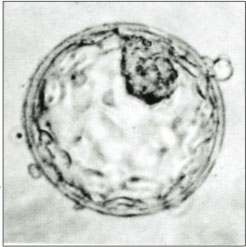
I just think blastocysts are lovely.
Img credit: Nina Sesina, Wikimedia Commons
In a way, this is the only premise necessary and the syllogism melts into an enthymeme. The original question was "can we use IVF?" and I reply, "no, sex is the only way we should conceive." The major premise was necessary to establish the fundamental difference between sex and ARTs, but this premise is the key. This is also the trickier premise because it relies on natural law and revelation, two things that our culture (and therefore I) are/am not that great at.

For a foundation, we don't prove that revelation is true, we receive it. We hold it with the same faculty that holds a Euclidean proof, but not because we have a demonstration of it. Rather, we hold revealed truths as gifts because the authority they carry is stronger than demonstration (Summa I.1.8). Our only job when it comes to studying and arguing about revealed truths is to defend parts of revelation based on other parts and show that the conclusions are cohesive and holy (for instance, defeat Arianianism by citing John 1:1,14, 1:30, and 8:58, or to point out that the Incarnation is a suitable medicine for our fallen condition for the reasons Athanasius cites). So I cannot demonstrate that sex is the only way which we can conceive, but I can show it in revelation and show that it is cohesive and holy.

To begin formally: reproduction involves creation and thus is a divine act. New embryos' souls are the only instance we still see of ex nihilo creation of a new substance. Like all creation, it is properly a divine act. It is God's to decide how His act proceeds, and He chooses to share it with us in a certain way. The way he shares it involves sex, so sex is like Him (it's life-giving, exclusive, and faithful as intended) and it's like us (surprisingly animal, but sublime). "Say," you might object, "how do we know that sex is the 'way' He chose? Maybe He just chose sperm egg fusion, in which case IUI and GIFT would be okay. Or maybe He just chose pronuclear fusion, in which case ICSI would be okay. How do you know He didn't choose something less inclusive?"

Img credit: Rugby 471, Wikimedia Commons
Actually, He chose something more inclusive: He chose marriage, including preparatory chastity and intramarital fidelity. We know this from revelation, especially Genesis, the Song of Songs, Mathew, and the letters of St. Paul. The revelation cited above is best expounded in Dignitas PersonaeDonum Vitae, section 8 of Persona Humana, and Man and Woman He Created Them (in decreasing order of high- to low-yield as far as time spent reading the entire thing). Persona HumanaMan and Woman He Created Them, and Donum Vitae in particular cite scripture and magisterial authority. So revelation supports the premise.

Moreover, it is also cohesive with the rest of theology. This whole plan is like God: fiercely, uncompromisingly faithful, especially in its faithfulness to children. For this reason, neither marriage nor sex can be intentionally interrupted or replaced by a third party or nonsexual act. Sex looks so ordinary to us but it's on the level of angelic war--it's God's other way of making saints. Cloaked in normalcy, sex is actually a mechanisms of salvation history that is almost beyond our human capacity. This is why the Church seems so preoccupied with sex--it's hard to see what is right and wrong!--and why it seems to say "no" to so much. But this is why divorce, contraception, IVF, and surrogacy are wrong.

The final syllogism is a second-figure Cesare with a slightly complicated predicate in the minor premise.
No ART is a sexual act.
All conception must be through a sexual act.
Therefore, no conception can be through a sexual act.
In addition, remember that there are other big concerns with IVF (embryo construction predisposes to seeing people as products/things rather than persons, embryo destruction, and embryo freezing), but you asked about the act itself, as if it were used in the best possible circumstances: a sacramentally married couple with good intent and who only desire embryos to be made who will be implanted and refuse to destroy embryos (success rates probably less than 40% with those caveats).

Friday, September 15, 2017

Why is IVF wrong? (Major Premise)

Img credit: Mr. J Conaghan, Wikimedia Cmns
Recently a very articulate medical student, with the mind of faith, asked about the Catholic doctrine oHumana Vitae's prohibition of contraceptives. Why can't infertile couples have the procreative aspect of sex using a medical procedure? Isn't this being open to the procreative aspect? The difference in time (if having the procreation through IVF) is not willed by the couple. Isn't this the same or better than leaving one component entirely missing through a failing of nature?
f conception, asking why the Church does not permit artificial reproductive technologies or techniques (ARTs). The student accepted that sex is unitive and procreative and meant for marriage; moreover, the student agreed with

I really love hearing from medical students who are seeking understanding in the mind of faith. As the student pointed out, an infertile or subfertile couple does not disobey God's law by having sex, even though there is a disorder inhibiting the fruits of the procreative aspect. But the reason why the Church teaches that IVF is wrong is that sex is the only act which is legitimately procreative, the only way we are meant to conceive. We can syllogize to this conclusion with two premises. The major premise is that ARTs are not sex.*

Img credit: Cancer Research UK, Wikimedia Commons
Let's establish an analogy between sex and eating. Eating has two aspects, the gustatory (analogous to unitive) and nutritive (analogous to procreative). One is the enjoyment of food that only a rational creature can have, while the other is an important but more biological motivation. Just like infertile or subfertile couples, some people can't taste very well or can't taste at all, but that doesn't make eating wrong for them. I propose an imaginary neck cancer patient who physically has trouble eating and has a tube placed through his skin and into his stomach (a PEG-tube or G-tube). He tastes nothing, but he stops losing weight and he's receiving appropriate nutrition through tube feeds.

I thought it was interesting that the student called ARTs (e.g. IUI or embryo transfer) "procreative acts" in the original question. This is exactly right! These things can lead to babies, so they're procreative acts. But they are not sexual acts: they are professional, medical acts without foreplay, climax, orgasm, etc. Our G-tube patient gets liquids pushed through his tube (a nutritive act), but he's not eating. Medical parlance and common sense reflects this: we won't say "he's eating" until he's using his mouth. G-tube feedings aren't eating; ARTs aren't sex or sexual acts.

Moreover, ARTs cannot be aspects of sexual acts. When our G-tube patient starts a tube feed, he's nourishing himself, but he's not doing "the nutritive aspect of eating." He's not eating at all, and he can't complete aspects of one action while doing a related but separate action. Similarly, if an infertile or subfertile woman has an IUI, she may be procreating, but she's not doing "the procreative aspect of sex." They are separate acts and one's intention to view the acts together do not knit them together. ARTs cannot be viewed as aspects of sexual acts.

The minor premise, "All conceptions must occur through sex," is defended in the next part.


*By "sex," I mean heterosexual sex using reproductive organs, not oral or anal intercourse.

Saturday, July 15, 2017

Third party reproduction

This post conforms to the blog rules.About a year ago, a gestational carrier of twins was admitted to our antepartum wing. Her condition required a long-term stay and she was not in her home state. To make matters more complicated, the presenting twin was not vertex. There was heated disagreement between the intended parents and the gestational carrier about mode of delivery because my attendings recommended a cesarean section for the twins. The carrier did not want a C-section. The physicians' hands were tied: we couldn't do a C-section on a non-consenting woman without committing assault and battery. But the agreement signed (while not designed for this state) did specify that the gestational carrier was to comply with physician recommendations on mode of delivery.

To translate into colloquial terms: about a year ago, a surrogate carrying twins for a gay couple came to our hospital while out of her home state. Because the first twin was not head-down and for a few other reasons, my attendings recommended a C-section for delivery. There was a painful, days-long disagreement between the surrogate and the couple, because the surrogate didn't want to have a surgery. We couldn't do a C-section without the surrogate's consent, but the contract signed by the surrogate and the couple said we should have been able to. ("Surrogate" is not a term preferred by the ASRM or third party reproduction lawyers.)

The ethics committee was, as I recall, rather unhelpful. No member of the healthcare team ever saw the agreement signed between the intended mothers and the gestational carrier. All residents whose names were not already in the chart were encouraged not to open the chart or see the patient out of concern for legal repercussions. The intended mothers of the children became rather forceful, asking that the healthcare team discuss matters with them before discussing them with the patient and lurking around the floor to catch any healthcare providers who might be discussing the case of their children. When it once appeared that the twins might suffer some adverse neurologic outcomes because of the disagreement, one of the mothers stated she did not want the child if there was brain damage.

All of this was a rather unpleasant ethical case that ended as well as it could, since the gestational carrier agreed to a C-section eventually and both babies were born. I have many dissatisfied feelings about the way all five people's lives changed during this pregnancy episode. I began to wonder whether the true nature of things (a contract about goods belonging to the adults) came out in the unpleasantness.

Recently my program has been adding more IVF experience for us. A few months ago I drove out to the IVF clinic of the new professor we'll be working with. As luck would have it, there wasn't much on the schedule and I didn't have to explain much. Although I've written about being "inside IVF" before, this one afternoon included actual experience of ARTs (two IUIs and an embryo transfer). Since I know how these procedures are done, in a way it wasn't earth shattering. But in another way, it was painful. By the end of the morning I felt nauseous and had to talk aloud with the Lord in the car about the experience.

Unfortunately, this isn't the end of this topic. I haven't covered it much on my blog, as I've mostly focused on contraception and sterilization. But now that I'm becoming a third year resident, who will spend two consecutive months on the REI service, it will become a topic of much more discussion.

Monday, January 30, 2017

Uterine Rupture

This post conforms to the blog rules.
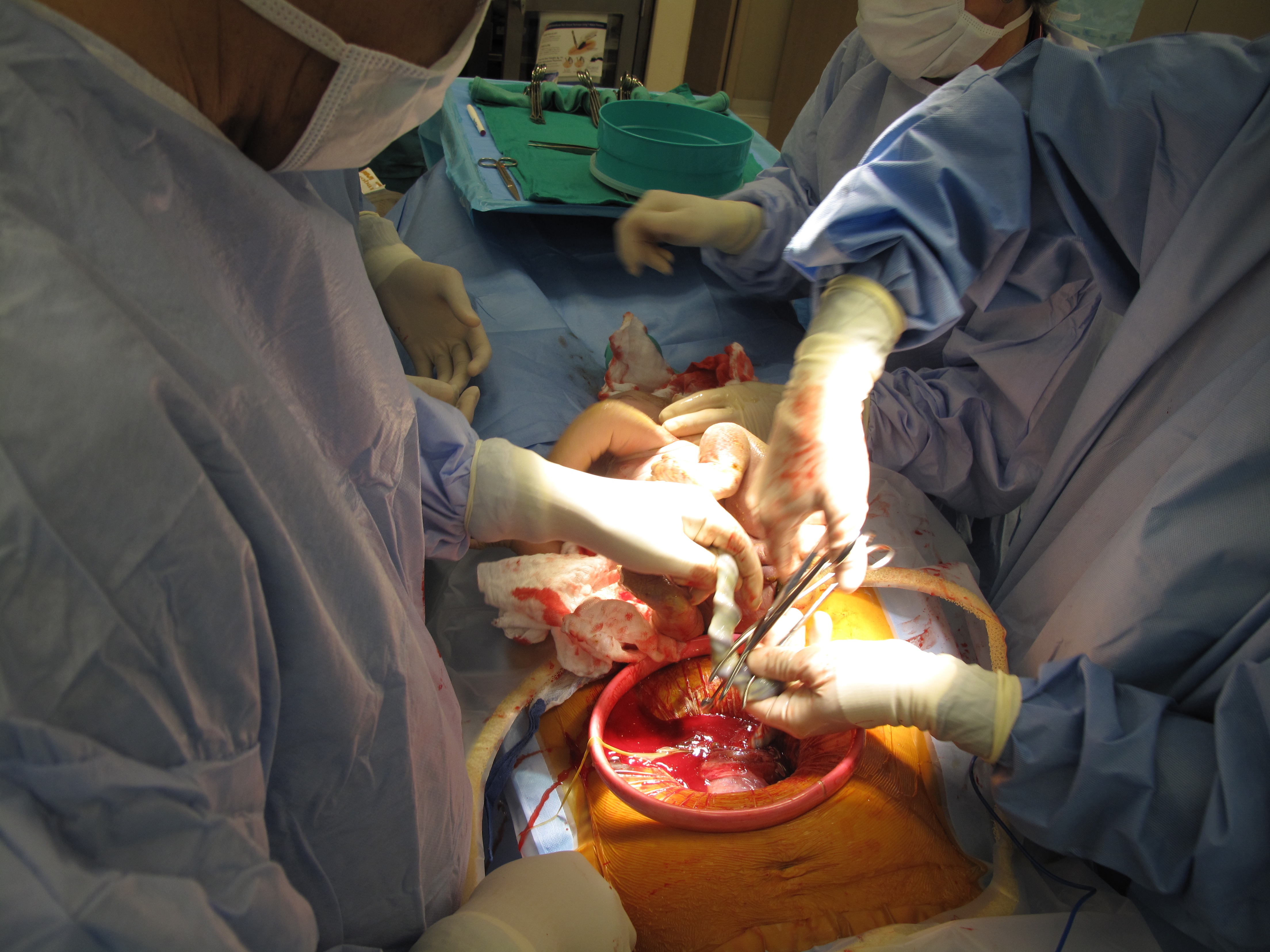
The other day I was scrubbed to do an orange repeat C-section (urgent, not scheduled but not a life-or-death emergency). The patient had a history of two C-sections and was in spontaneous labor. Women aren't supposed to go into labor with two cesarean scars: their risk of uterine rupture (breaking open their cesarean scar while they contract) is too high to be generally accepted.

I stood next to the patient on the OR table as the sterile prep solution dried on her abdomen, before I covered her with a sterile drape and began the surgery. Opposite me was my chief resident and the MFM fellow, also both scrubbed. The attending was standing next to the door, not scrubbed, on the phone. I have no idea where the sub-intern was, but she wasn't ready yet.

Suddenly the fellow pointed to the patient's abdomen as a very dramatic fetal movement changed the contour of her pregnant belly. Her water suddenly broke all over the table. "Well," said the attending, "now we have to move faster."

"I'm worried she ruptured her uterus," the fellow said under his breath, as he walked up to the table.

I draped the patient and the fellow and I put our hands on the uterus. "I can feel baby with a lot of definition," I said. I could feel little elbows way too well, as if there weren't enough layers between me and the baby.

"Go stat," the attending said. The C-section priority changed from orange to red, and in a moment I had my hand in the patient, fishing for a fetal head without having to cut any uterus. It was clear: she had ruptured her uterus. I felt the head in her pelvis and started to lift it up. The moment I did, the baby swam away and then all I felt was buttocks. I extracted the baby breech, and then I got a chance to look at the uterus. She had broken open her old scars.

I've never seen a uterine rupture, I've never seen it happen right in front of my face, and I've never had a baby who had room (and cheek!) to swim away from me during a delivery. Wow! Baby and mom were fine.

Thursday, September 15, 2016

The "Safe Harbor" Idea is a Myth

I am going to apply for a fellowship that doesn't involve contraception. Am I running away?

There are several fellowships off generalist practice that could try to circumvent prescription of contraception. One could to MIGS, and only be a women's surgeon (sometimes management of endo could leave you in a tricky spot). One could to gynecologic oncology, and only operate and give chemo on women with cancer (safest bet, but hardest to get). One could do MFM, and only take care of people who are already pregnant (postpartum concerns especially in the heart failure patients becomes tricky). Am I running away by seeking one of these?

I don't think so. I want to do MFM for another reason: my interest in early pregnancy, ectopic rescue, and placentation. I love complex physiology. I love crises and encouraging women through them. I love life and protecting it. I am going into MFM to bolster the research that supports the embryo and the fetus as a person. I'm doing it to be more effective as a pro-life physician.

It bothers me when people assume I'm doing MFM to avoid contraception. At the same time, I can't hide the fact that it's rather convenient that MFM means my scope of practice isn't as restricted.

A few people I've told about this decision are very happy with it and give the response that makes my skin crawl. "Oh, so the contraception think won't be much of an issue. It's like a safe harbor." I hate being called a coward. (It's too close to the truth, anyway.) Besides, I'm not really escaping anything. MFM is soaked with termination and sterilization. What kind of escape is that? In order of most to least protective, it goes Onc > MIGS > MFM. 

I also dislike that Catholics should have to seek a "safe harbor." We should be able to practice in any field. If we have limits, we're like 100% of other physicians, and we are fortunate (?) to live in a country where the things we don't provide can be provided by someone else. I shouldn't have to go hide in internal medicine or surgery (I thought about it!). I should be able to be an OB/GYN. If we all ran away into safe harbors, who would witness to the truth? Who would challenge the paradigm?

Not only the "safe harbor" idea fundamentally flawed, but it's also a myth. There is no safe place to be a physician who trusts his conscience more than he trusts his lawyer and the guidelines of his professional organization. In the coming decades it will be a growing challenge for anyone who wants to do the right thing, whether or not he plans for a safe career.

Monday, February 29, 2016

OB/GYN Ethics 201

In OB/GYN Ethics 101, I covered the basics for medical students and residents rotating through OB/GYN settings, and a little for OB/GYN residents. This post is about three sorts of hard cases: induction of labor before viability, emergency contraception, and methotrexate.

In OB/GYN 101, I wrote:
Do not induce labor for inevitable abortion, i.e. when fetal death has not occurred
It is true that uncomplicated inevitable abortion should be managed expectantly, especially if there is a question in diagnosis. However, there are situations in which labor can be induced because of the principle of double effect.

Previable chorioamnionitis
If a woman develops chorioamnionitis prior to viability (either spontaneously or because of previable PPROM), the principle of double effect permits induction of labor if chorioamnionitis is clearly present and either is too severe or too remote from delivery for antibiotics to preserve the lives of mother and fetus. Richard White explains:
The early induction of labor...satisfies the four conditions of double effect. First, it can be assumed that the intention of both mother and physician is to evacuate the infected chorion and amnion. Second, in light of the serious infection and its threat to the lives of both mother and fetus, treatment is needed to save the life of the mother; that the mother’s life can only be saved by inducing labor is a proportionate reason to perform the procedure. Third, since the early induction of labor does not target the fetus, but the evacuation of the pathological tissues, the death of the fetus is not a means to achieve the health of the mother. And, fourth, there is no alternate procedure to treat the chorioamnionitis with the promptness required by the situation. (1)
Persistent Eclampsia (or Complicated Pre-eclampsia)
In the case of a previable patient whose seizures and severe-range blood pressures do not respond to magnesium and IV antihypertensives, delivery can be expedited by induction. The same can be true of a mother with worsening complications from previable pre-eclampsia (e.g. renal failure or respiratory distress), or evolving HELLP syndrome. White notes:
The act of inducing labor, in this case, appears to satisfy all the conditions of the principle of double effect. First, the act removes the offending placenta, which is the cause of eclampsia. This action is therapeutic for the mother and is, thus, good. Second, the intention of the physician and the mother are, presumably, directed towards the treatment of eclampsia, not towards the termination of the pregnancy. Third, cure of the condition is not achieved by removing the fetus, but by removing the offending placenta. Fourth, the mother’s life is endangered by the complications of eclampsia, which have manifested; the various threats to the mother’s life that the complications pose are proportionate to the induction’s consequences for the child. Fifth, all other methods of treatment that would not result in the death of the fetus (i.e., expectant management) have been exhausted. (1)
§

In OB/GYN Ethics 101, I said:
Do not advise the use of any hormonal contraceptive (e.g. mirena) in sexually active patients. Period. This is because of their post-fertilization effects.
It is true that patients should not use hormonal contraceptives because when used throughout the cycle, they will inevitable have post-fertilization effects. But when you, a physician, are in control of when those hormonal contraceptives are used, you can use them licitly to avoid the post-fertilization effects.

Emergency Contraception
Emergency contracpetion (EC) has its own post. But here's quick a rundown:
  1. Hormonal pills: can be licit. Remember that hormones to prevent pregnancy are not proscribed except to the married, and self-defense is licit, even defending oneself against the effects of an act, such as advancing sperm. A pregnancy test is not enough to exclude the potential post-fertilization effects of emergency contraceptives. The Peoria Protocol lays out how to tell with moral certainty that a woman has not ovulated and that the primary effect of EC is anti-ovulatory. It involves serum progesterone (<1.5 is pre-ovulatory, okay to give EC) and urine LH (negative is pre-ovulatory, okay to give EC). Notice I didn't give units. Do not use cutoffs a blog post to determine management of patients requesting EC. You need a working relationship with your hospital lab and you need to be better acquainted with the Protocol's other reference ranges for progesterone before you can use it.

  2. Hormonal IUDs: insertion of a mirena or skyla as EC relies not only on the anti-ovulatory effects of the levonorgestrel, but also on the intrauterine effects, which act after fertilization. Although it may be argued that application of the Peoria Protocol could allow these effects to be avoided, a systemic hormone (to reach the hypothalamus) is more targeted than an IUD (which would also have to be removed if the patient is later sexually active.

  3. Paragard: this relies on post-fertilization effects (which is why it works up to five days after the act of intercourse), and cannot be licitly used.

  4. Plan B: is levonorgestrel, given in one 1.5mg dose or two 0.75mg doses twelve hours apart. Strangely, we can't seem to figure out whether its main effect is primarily anti-ovulatory or post-fertilization. A recent (2015) review of all the data in the Linacre (2) concluded that "arguments used to justify use of [Plan B] as a non-abortifacient drug carry substantial weaknesses; in addition, the preovulatory administration of LNG-EC does not consistently alter sperm or ova flow and function, yet there is absence of clinical pregnancy in cases where fertilization is likely, which suggests that abortion is a likely mechanism of action. Therefore, the claim that moral certitude exists via LNG-EC’s nonabortifacient action is currently indefensible."

  5. Ella: ulipristal is a selective progesterone receptor modulator. It is given in one 30 mg dose. It antagonizes progesterone at its receptors on the endometrium, which mean it only has post-fertilization effects. This is the same mechanism of action as mifepristone (RU486, which is given in doses of 600mg for elective abortions). Although package inserts deny that it is abortifacient, this indicates that a 30mg dose is not suspected to have post-implantation effects. For a Catholic who understands life to begin at sperm-egg fusion, ulipristal is extremely likely to lead to loss of embryonic life.
§

Ectopic Pregnancy
All the above is generally agreed upon. Going forward, I am about to make some people disagree with me. This is because the magisterium has not spoken on this issue and faithful Catholic theologians (who all agree that life should be protected from fertilization to natural end) can legitimately disagree. This disagreement is good and fruitful.

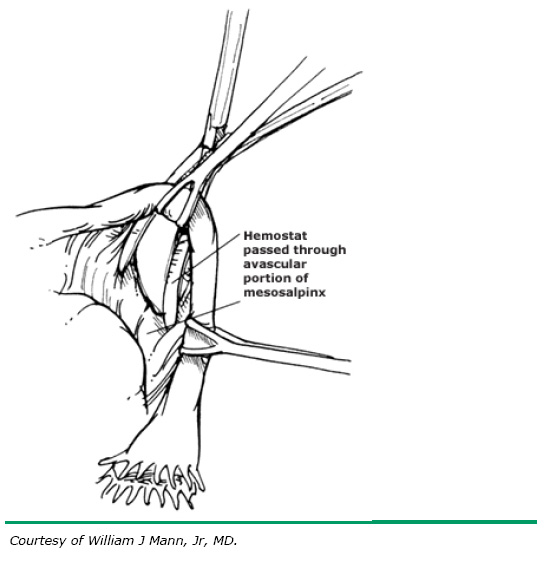
In short: salpingectomy is fine, principle of double effect applies.

Salpingostomy: also fine, principle of double effect applies. (Alert! Not everyone agrees with me, but some of the theologians who thought this was not licit have come to agree. An excellent article by Christopher Kaczor in the Linacre defended this very soundly (3). I am morally certain that this is permissible.)

Methotrexate: has its own post. The same excellent article in the Linacre did not defend this very soundly at all, but I propose a different defense, which takes into account more embryology, more sonography, and more other examples from medicine than I have seen others do.

Like all sinners who want to be faithful Catholics, I submit every word of this post to the judgement of the Church.


References not linked:
  1. Richard White. "Prenatal Complications." The Linacre Quarterly 2009; 76(3), 304-309. DOI: 10.1179/002436309803889098
  2. Chris Kahlenborn, Rebecca Peck and Walter B. Severs. "Mechanism of action of levonorgestrel emergency contraception." The Linacre Quarterly 2015; 82(1), 18-33. DOI: 10.1179/2050854914Y.0000000026
  3. Christopher Kaczor. "The Ethics of Ectopic Pregnancy: A Critical Reconsideration of Salpingostomy and Methotrexate." The Linacre Quarterly 2009; 76(3), 265-282. DOI: 10.1179/002436309803889106

Monday, February 15, 2016

Methotrexate

I used to think methotrexate (MTX) was an unacceptable way to treat ectopic pregnancy. Like personal heroes William May and Fr. Tad Pacholcyzk, I saw MTX as a direct attack on fetal cells. MTX was akin to (if not identical to) direct medical abortion.
The question I ask today is: is that true?

Background
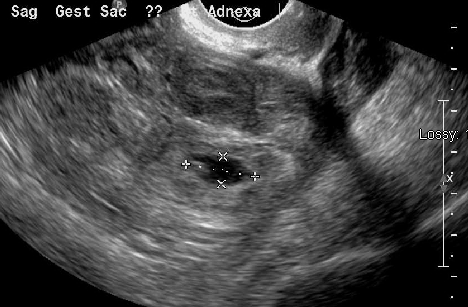
MTX inhibits DNA synthesis and has (relatively) selective toxicity to rapidly dividing cells. It appears to select trophoblastic tissue (early placenta) rather than fetal tissue. It is administered for ectopic pregnancies to prevent rupture, which occurs in 0.5% of cases.

MTX can only be given if the mother is hemodynamically stable and if she will be able to follow up with serial hCG measurements. It is considered more strongly if the patient desires future fertility or is a poor surgical candidate. She must have an unruptured ectopic with a gestational sac less than 3.5cm in greatest diameter, there must be no cardiac motion, and the hCG should not exceed 5000-6000 mIU/mL. Further, the following must not be present (these are absolute contraindications):
  1. Breastfeeding
  2. Immunodeficiency
  3. Liver disease (including alcoholism)
  4. Blood dyscrasias (e.g. thrombocytopenia)
  5. Active pulmonary disease
  6. Peptic ulcer disease
  7. Renal dysfunction
Double Effect
The fetus always dies in current ways to treat ectopic pregnancy. Thus, any treatment other than expectant management must employ the principle of double effect. The principle of double effect can only apply if:
  1. The act in question (or the procedure) must be "good" or "neutral" in its moral quality,
  2. The good effect is intended, not the bad,
  3. The good and bad effects must occur simultaneously, thus avoiding a situation in which the bad effect becomes a means for achieving the good effect, and
  4. There should be a proportionate reason, that is, a sufficiently serious reason, to permit the bad effect.
Can the first criterion of the principle of double effect ever apply to methotrexate? The drug is acting directly on a vital organ of the fetus and as such "“a direct and lethal attack on the body of an unborn child" (1). For many years, this has persuaded Catholic theologians that use of methotrexate is illicit, because the "act in question" is not good or neutral.

Christopher Kaczor attempted to defend MTX in 2009, citing some work by Fr. Albert Moraczewski and others (2). He attempts to argue that most administrations of MTX occur after fetal death*, that MTX might be construed as stopping damage to the tube (a secondary effect, at best), that the trophoblast is not a vital organ of the fetus alone (which I find untenable, since its growth is entirely fetus-driven, even though it makes a barrier between mother and child), and that administration of MTX could be considered not "intentional" destruction of the trophoblast (which I find patently false, as that is the sole reason we're giving it).

I don't think Kaczor knocks down the fundamental point: MTX is the destruction of a vital organ of the fetus. I don't think anyone will be able to knock down this point. It's true.

Ectopia and "Diseased"
MTX destroys a vital organ of the innocent human embryo. Strange (and sad) as it may seem, I don't think that poses a problem.

Ablation or resection of vital organs is at times necessary when such organs are diseased. "Diseased" (like "conception") is not a medical term, and it can be difficult for medical professionals to nail down exactly what ethicists had in mind when the word was chosen for moral teaching. I suggest that "diseased" be taken to mean "not according to nature," or not "always or for the most part" (3). 
Trophoblastic tissue, for the most part, implants in the uterine cavity. I suggest that this means it is "diseased." It's not infected or full of cancer, but "diseased" means more than that. In fact, this early placenta is like a tiny failing heart, because it's not implanted in an area designed for it, with the appropriate architecture and blood supply to support it. 

Not all ectopic tissue requires removal. A benign uterine leiomyoma (fibroid) that causes no symptoms should be left alone. But ectopic trophoblast (as in ectopic pregnancy) can pose a danger to the mother. Moreover, ectopic trophoblasts are not the only ectopic tissue that require ablation or removal. Prolactinomas and other endocrinologically active macroadenomas, undescended testes, ectopia lentis**, and arteriovenous malformations are other examples.

Conclusion
Use of methotrexate is legitimate, because the four criteria of the principle of double effect apply. Most importantly, the use of methotrexate itself is morally good (or at least neutral). Although it is removal of a vital organ, it is not a mutilation, as ectopia represents a true disease state when the misplacement threatens human life (in this case, it threatens the fetus with inevitable death, and the mother with possible death or danger).


Notes
* In addition, some will argue that not all products of conception are fetuses, therefore methotrexate is legitimate for "abnormal" pregnancies, such as those without doubling of beta hCG over 48 hours. This argument is shaky. The minimum rise in beta hCG in a normal pregnancy is 35% over 48 hours (99.9% CI) and 4.6% of patients (n=1,249) with an hCG rise of less than that still went on to have a normal pregnancy (4). Even if this were not true, we must be cautious rather than miss one case of viable pregnancy. When we don't know whether the product of conception is a person, we must assume it is in order to protect human life at all stages.

** Ectopia lentis does not always require vitrectomy or lensectomy.

Bibliography
  1. Charles Cavagnaro cited in Anderson MA et al. Ectopic pregnancy and Catholic morality. NCBQ; Spring 2011;667-684. Here.
  2. Kaczor C. The ethics of ectopic pregnancy. Linacre Quarterly; August 2009;265-282. Here.
  3. Aristotle. Physics II:2. Here.
  4. Seeber BE et al. Application of redefined human chorionic gonadotropin curves for the diagnosis of women at risk for ectopic pregnancy. Fertil Steril 2006;86:454–459. Here.

Friday, January 15, 2016

An Epiphany

This post is not about magi. It's about a revelation that is changing or might change my career.

Last time I posted asking whether you knew what Catholic teaching said about contraception. You may have been surprised to discover (or rediscover) that the Church has only said contraception is illicit within marriage. Although there have been many occasions to broaden this proscription, the Church has not done it.

I learned this at a local CMA guild event. Myself, a few other residents and a few attendings of various stripes (pediatrics, psychiatry, OB) gathered at the convent of the Religious Sisters of Mercy (who included pharmacists, a med student, two nurses, and one of the attendings). The topic, ostensibly, was birth control in the mentally ill. I went because I had patients like that on a PAG rotation in med school, and I have patients like that today.

But the conversation broadened to what Catholic teaching is on contraception outside of marriage. The facilitator pointed out that it has never been defined, although he stressed the issue of prudence in preventing promiscuity.

We were all terrified, because none of us had ever realized this. One of the pediatric attendings thought that we should never discuss this--her "Catholic" hospital was already handing out condoms...how terrible would it be if they started handing out hormonal birth control! She was afraid that one of the nation's largest "Catholic" pediatric hospitals would suddenly start handing out birth control if they were better educated on Catholic teaching. How sad!

At the same time as I felt sad and afraid, I was also tempted to shrug. Why would a marginally Catholic institution that already doesn't care about God's will suddenly care about God's will when given new ground? A "Catholic" hospital that doesn't want to follow in God's footsteps will not care about "prudence" that would want to protect pediatric patients from promiscuity (or STDs, pregnancy, statutory rape, etc).

Still, argued the pediatrician, if we can keep the real boundaries of the teaching quiet, we can keep hormonal birth control from harming a few lives (in spite of the Catholic hospital).

I asked myself whether I should talk about this with others at all. Would I only create situations where people would be imprudent?

I decided to post about it because if we don't articulate what the teaching really is, we get pharisaical about it. We draw large margins of safety around established rules, which are burdensome and nonsensical. I found a few unfortunate examples of people who believed that all use of contraception is mortally sinful. (Although I have heard recent challenges to the Peoria protocol from the Linacre, so stay tuned.)

I feel like this is a big shift in my understanding of what makes up the culture of death. Contraception is not in the category of objective evil all the time, at least we don't know that it is. It's not per se like abortion*, against which I must fling my whole self because I understand it to be the taking of a human life. Granted, it still is contributing to the horrible idea that sex and procreation are totally different things, and that sexual life is for the self-satisfaction of two consenting individuals. It's still chemicals women don't always need. It's still a bandaid most of the time. But it's now a crutch without which some of us could be thrown into worse chaos.

If only I had a big glowing orb in the sky to tell me where to go.


*By this I mean that the act of using a contraceptive is not known to be objectively evil. Post-fertilization effects are akin to abortion.

Tuesday, December 15, 2015

Emergency Contraception

Emergency contraception can be considered licit as a form of self-defense after sexual assault. It deserves a long exposition (which I can't give you while I'm on my month of nights*), but here's quick a rundown.

The Ethical and Religious Directives are more specific here than on ectopic pregnancy. Directive 36 states:
If, after appropriate testing, there is no evidence that conception has already occurred already, [the female victim] may be treated with medications that would prevent ovulation, sperm capacitation, or fertilization. It is not permissible, however, to initiate or recommend treatments that have as their purpose or direct effect the removal, destruction or interference with implantation of a fertilized ovum
What does this mean practically? "Appropriate testing" is often taken to mean the Peoria Protocol.** The Peoria Protocol lays out how to tell with moral certainty that a woman has not ovulated and that the primary effect of EC is anti-ovulatory. It involves serum progesterone (<1.5 is pre-ovulatory, okay to give EC) and urine LH (negative is pre-ovulatory, okay to give EC).***

Unfortunately, even if the Peoria protocol can predict the right timing for emergency contraception, it's not clear we have anything to use.
  1. Hormonal IUDs: insertion of a mirena or skyla as EC relies not only on the anti-ovulatory effects of the levonorgestrel, but also on the intrauterine effects, which act after fertilization. Although it may be argued that application of the Peoria Protocol could allow these effects to be avoided, a systemic hormone (to reach the hypothalamus) is more targeted than an IUD, which would also have to be removed if the patient is later sexually active.

  2. Paragard: this relies on post-fertilization effects (which is why it works up to five days after the act of intercourse), and cannot be licitly used.

  3. Plan B: is levonorgestrel, given in one 1.5mg dose or two 0.75mg doses twelve hours apart. Strangely, we can't seem to figure out whether its main effect is primarily anti-ovulatory or post-fertilization. A 2016 review of plan B, done through a Catholic lens as a summary of lots of work by the same authors, found that plan B almost always works through post-ovulatory mechanisms, even when administered before ovulation.

  4. Ella: ulipristal is a selective progesterone receptor modulator. It is given in one 30 mg dose. It antagonizes progesterone at its receptors on the endometrium, which mean it only has post-fertilization effects. This is the same mechanism of action as mifepristone (RU486, which is given in doses of 600mg for elective abortions). Although package inserts deny that it is abortifacient, this indicates that a 30mg dose is not suspected to have post-implantation effects. For a Catholic who understands life to begin at sperm-egg fusion, ulipristal is extremely likely to lead to loss of embryonic life.
  5. Hormonal pills: these may be licit before ovulation (still need the Peoria protocol), used in a Yuzpe-like regimen, so that there's enough estrogen to actually act as an anti-ovulant. More research needed!
  6. Meloxicam: this COX-2 inhibitor can, at doses of 30 mg/day taken for five days during the late follicular phase and the day of the LH surge, prevent functional ovulation in 90% of women with no effect on LH, progesterone, estradiol levels, or cycle length. There are concerns that NSAIDs disrupt implantation. Jury's still out, but this seems the most defensible option at this time. It relies on a hospital's ability to identify the follicular phase/LH surgr (a.k.a. you need the Peoria protocol).


*I wrote the first draft of this post on a month of nights my intern year. By the time I got back to it to revise it, I was on a month of nights during my second year. Wow.

**A complete moral explanation supporting the Peoria protocol can be found in Slosar JP. Catholic health care and emergency contraception. Healthcare Ethics:2000;8,4. (No link available.)

***Notice I didn't give units. Do not use cutoffs in a blog post to determine management of patients requesting EC. You need a working relationship with your hospital lab and you need to be better acquainted with the Protocol's other reference ranges for progesterone before you can use it.

Saturday, November 28, 2015

Whether to Consent for Tubal Ligation

The Hiding Place is the story of a Catholic watch maker who sheltered Jews during the Holocaust. She was taken to a concentration camp, where she was put to work on an assembly line. As a watch-maker, she took easily to the assembly of relay switches. Too easily. She recounts how her foreman, a fellow prisoner, reacted:
"Dear watch-lady! Can you not remember for whom you are working? These radios are for their fighter planes!" And reaching across me he would yank a wire from its housing or twist a tiny tube from an assembly. "Now solder them back wrong. And not so fast! You're over the day's quota already and it's not yet noon."
I am a pretty good intern. I can see seven postpartum patients in an hour and a half, consent half of them for circumcision, counsel half of them on family planning options, discharge half of them, write their orders, finish and route their notes appropriately, and present them coherently at morning rounds. I still miss a detail here and there. But overall, I'm pretty good at what I do.

I can even consent for tubal ligation and arrange the paperwork for the two different states in our catchment area. (I have previously opined that it is not morally wrong to consent patients for BTLs.) But should I be this awesome at hooking people up with sterilizations? Should I be making it harder for people to get BTLs and, for that matter, contraceptives?

"Dear intern!" I hear in my head, "Can you not remember for whom those sterilization papers/OCPs/LARCs work? Those break down marriage and the family!" Many thoughts have flown in the past few weeks about whether I should yank some wires. (Note that I am not comparing my attendings and fellow residents to Nazis. I am only opposed to sterilization, not the people who do it.)

Thanks to: ama.uk.com and uptodate
On one hand, it is not my legal right or my professional prerogative to interfere with choices made by competent persons. It's not only feminist hate crime, but it could probably be construed as malpractice to interfere with someone's BTL by not completing their paperwork in a timely and correct fashion before their discharge. Anyone suing according to standard of care would simply point to ACOG's Opinion 385 and say "Doctor, this Opinion is standard of care. You were not practicing according to standard of care."

On the other hand, a little slip in the paperwork and someone could be delayed in receiving a BTL just long enough to have a different thought about it. One in five women who choose BTL within a year of their delivery regret it. And permanent primary sterilization is a grave evil even if someone doesn't rethink it. Did Corrie ten Boom care whether she'd be punished for soldering the wires wrong?

In the end, I decided to apply the principles I apply to any other consent: I counsel completely and accurately, I give the patient time (e.g. I tell them to think about it and talk with at least one other family member on postpartum day 1 and/or 2) and I fill out the paperwork if the patient chooses on the last day I see her. I have had patients who say (after I talk with them), "I decided not to, I'll just go with the [other method, usually a LARC]." I'm not happy about the LARC, but I am full of joy that I can throw away their BTL consent and hope that they learn to appreciate their fertility in the time they've afforded themselves.

Some disagree with me about whether BTLs are good for women, and others disagree with any involvement in the process. But I doubt that many would disagree with my approach to postpartum tubal consents: I counsel completely, give the patient time to make their own, informed decision (and speak with the attending after I see them, who usually offers a different opinion). I then witness when they make this decision on a form for the state.

Sunday, November 15, 2015

How to Consent for Tubal Ligation

There are two important things to discuss with patients when consenting for BTL: permanence and regret.

Permanence
Only 50-56% of women can have a child after a tubal reversal (26% if you're trying to reverse it after age 39). The largest study done on tubal ligation was a prospective, multicenter piece of research done by the CDC, and was called the CREST study. It found that people under the age of 30 are 3.5 to 18 times as likely to request reversal than those over 30 (of those sterilized between 18 and 24, 40.4% requested information on reversal).

Not all insurance pays for the reversal, either. 

Regret
The CREST study found that 14 years after BTL, there is a large amount of regret, especially among patients with certain characteristics. Here are the numbers for regret at 14 years:
    • 20.3% of women who were 18-30 years old regretted their sterilization
    • 21.7% of black women
    • 20.4% of unmarried women
    • 17.6% of women who chose BTL within a year of their last child's birth
Regret develops in a linear fashion, meaning that around 5% regret at 3 years, then 10% at 7, then 20% by 14 years. It's difficult to extrapolate 14 years over a lifetime, especially a woman's lifetime, which has a natural time of infertility that can bring on or increase pre-existing regrets.

When women are under the age of 30, black, unmarried, or choosing BTL within a year of delivery, I counsel them that about 1 in 5 women like them regret their decision to get a tubal ligation. I also stress that the real world is not like Friends, and BTLs are permanent. I recommend on pospartum day 1 (or during prenatal care) that they talk about the decision with their loved ones and look into LARCs (and natural methods, of course), which are reversible and can be just as effective.

Monday, July 13, 2015

OB/GYN Ethics 101

Let's be practical: what can a Catholic medical student on his OB/GYN rotation do? What about a Catholic resident working in OB/GYN settings (including family and medicine residents)?

The Do's


Be confident. You have the truth, which is not only a set of beliefs, but a Person who is pleased that you want to do the right thing, and will protect you.

Answer test questions as if you toed the party line on contraception, sterilization, and abortion. We can "prescribe" on paper.

Prepare an elevator speech so that whenever you must state your choices, you can do it smoothly and briefly.

(For residents) Tell your program director.

(For medical students) Do not tell any higher-ups unless you know they will be receptive. Tell clinic attendings at the beginning of any day (the evening before if possible) when there is an objectionable procedure scheduled; tell surgical attendings before the first sterilization you do with them.

Be an awesome person and a hard worker. We must "be perfect," to challenge those who think we're bizarre.

Find as much in common as possible. For instance, be loud proponents of "teens shouldn't get pregnant" and "STDs are terrible," and "no, condoms aren't enough!"

Counsel patients on family planning. To counsel is to present the dosing, routes, side effects, and mechanisms of action of available options. Counsel patients as frequently as possible, because only our counseling is truly presenting the whole truth about all three mechanisms of action (MOAs) of hormonal contraceptives (including thinning the endometrium which may lead to post-fertilization pregnancy loss, per the package inserts) and the existence and benefits of NFP or fertility awareness.

Happily volunteer to take out IUDs and nexplanons.

(For medical students and interns) You may observe one or two insertions of IUDs, nexplanons and Essure. Your participation is remote, it improves your counseling (i.e. you won't remember to mention ibuprofen premedication before IUD insertion if you don't realize quite how much cramping can occur), and you can pray for the patient and physician more vehemently. Students, it's best to speak with your preceptor beforehand, as soon as you see an IUD/nexplanon/Essure insertion on the schedule. If somehow that doesn't happen and you're offered the chance to do the procedure, just say, "I'm not comfortable." (Residents, your PD should already know.) But (students) if they press you (and residents, if this attending didn't get the memo), say confidently: "Thanks for the chance! But I'm choosing not to prescribe contraceptives."

You can participate in endometrial ablations. These are usually done for gynecological pathology (e.g. excessive menstruation) and are not a form of sterilization; however, they do have a sterilizing effect. If everyone's intentions are correct, the principle of double effect at work. Because we cannot see into other souls, we can pray for the best and operate as if the principle applies. (If the patient makes it clear that she wants the sterilizing effect, it's your duty to tell her that this procedure does not sterilize and you cannot guarantee that.)

You can participate in hysterectomies. Everything that applies to ablations applies also to it. Our bodily integrity is important, but this procedure is sometimes necessary for patients who fail conservative management (i.e. ibuprofen, lysteda, napro).

You can scrub into C-sections during which they plan to do a tubal ligation (BTL). You can assist with the section, but do not do anything during the BTL. To protect yourself from acting during the BTL, speak with your attending or chief resident (whoever the highest person in the room will be) beforehand.

(For medical students) Some attendings will not let you scrub because you're refusing to participate in the BTL. This is unjust, but take it gracefully and ask if you can observe. If they say no, go peacefully back to the floor or L&D.

(For residents and sub-interns) You can scrub into a BTL to practice laparoscopic access techniques. Make it clear to your attending that you will not be participating in the ligation, but are grateful for the opportunity to learn from their experience in entering and closing the abdomen safely.

You can participate in dilation and curretage (D&C) when done for missed abortion (miscarriage). There is no moral quandary here, if fetal death has been verified by lost heart tones, absent cardiac motion, negative hCG, obvious ultrasound findings (e.g. separation suggesting the decay of remains), or obvious history (e.g. three days of heavy bleeding with fetal parts). Always say to the mother and father of the child, "I'm sorry for your loss." Not only is this what they feel, but it builds up the identity of the unborn child as a person.

Obviously, you can participate in D&C for non-obstetric indications or retained placenta.

(Not usually for students) You can induce labor for missed abortion. If the loss is verified as above, console the patient and father and help with cervical ripening and augmentation.

Counsel on elective abortion (EAB). You must know at what gestational age different procedures (RU486 (mifepristone), D&C, and dilation and extraction (D&E)) can be done. You must be able to describe these techniques to women gently but without euphemism. You must also know the rates of post-traumatic stress symptoms and PTSD among abortion victims, the rates of live birth following abortions, and (if you're a gunner) laws in your state about waiting period, parental notification/consent, ultrasound, and upper gestational age limit.

Care for EAB patients before and after their abortions. This includes preop and postop care in the hospital, and follow-up visits in clinic. Ask about how the patient is handling the loss. Be ready to offer local post-abortive healing information (i.e. carry the cards with you in your pocket), but don't push it.

You can participate in training activities for D&C and LARC/Essure insertions. A D&C is a legitimate operation for indications like excessive bleeding and missed abortion, and scooping out a papaya to learn how to do it is not a big deal. Mirena can help nonsexually active patients who fail other pharmacological therapies. Pick your battles and don't fuss about this. Use it as a chance to observe to your peers sitting next to you about how weird it is that you'd do a D&C when there's still a heartbeat, or how there's gotta be some way to plan pregnancy without sticking a 16 gauge needle in someone's arm (nexplanon).

Counsel on perinatal hospice. Perinatal hospice should be offered to any patient with a fetal anomaly that is "incompatible with life." This is a period of parenting the unborn child and mourning the loss of the baby the parents hoped for. It also involves services like Now I Lay me Down to Sleep (a no-charge project). Students and residents have a particular power in suggesting perinatal hospice (which is uncommon at most centers that offer termination for lethal anomalies) because we go in before the attending and can make suggestions that the attending would not.

(For residents) You can consent patients for BTLs and IUD/nexplanon insertions. To consent (like to counsel) is to offer a full picture of risks, benefits, and alternatives. We are the ideal people to consent for BTLs, nexplanon insertions, and IUD insertions, because we can stress that these things affect something valuable (fertility and integrity of lovemaking), and we can emphasize the permanence of sterilizations, and the fact that many regret their procedures. If you help a patient opt into a less permanent form of birth control, you've helped! It's painful to consent and counsel when people make the wrong decision. But we can only offer the truth (the whole truth), and allow our patients and our superiors to make their own decisions.

Wikimedia. The contributor writes:
"This is an image of my child, he died
and this is how I remember him."
You may visit and learn in IVF clinics. REIs are very intelligent and know a lot about physiology. If you are taken on a tour and see freezers and incubators, use it as an opportunity to pray for the little souls trapped there, and the adults who are trapped in confusion.

Pray every day. 30 minutes of mental prayer keeps you moving towards sanctity. (St. Theresa said that if we meditate, we will either become saints or stop meditating.) If I'm an OB intern and I can do it, so can you.

Talk it out with a friend. If the attendings are making you feel unwelcome, if you're stressed, if the culture is asphyxiating...get it off your chest! Get coffee with a friend and vent! If you don't have anyone sympathetic, email me. (That address is permanent, so even if you're reading this ten years after I wrote the post, I'll get it.)

Contact Alliance Defending Freedom if you're truly discriminated against. 

Be patient with yourself. You can't solve all the patients' problems or correct all your own inabilities all at once! Christ has the power to make up for your defects. Ask Him to do so, go to confession, and move forward in peace.

The Don'ts


Don't make assumptions about sinners' intentions. (This includes patients, peers, and attendings.)

Don't proselytize. Be attractive as a good student/resident, then be unafraid when people ask about NFP or the Catholic Church's ideas on contraception.

Do not advise the use of any hormonal contraceptive (e.g. mirena) in sexually active patients. Period. This is because of their post-fertilization effects.

Do not promote barrier contraceptive use as a good in itself. As Pope Emeritus Benedict wrote, condom use can be a step towards chastity, but always hold up abstinence as an ideal for the unmarried and NFP as an ideal for the married.

(For medical students) Try not attend more than two IUD insertions, more than two nexplanon insertions, and more than two essure insertions. Frame it as sharing with the other med students, or go find something helpful to do on the floor. Make something up if you can't find anything legitimate to do ("I have to go bring this down to the radiology library," "I have to fax this paperwork"), because it's important to not overexpose yourself. You don't want to dispose yourself to think these things are okay.

Do not participate in egg harvests, male masturbation, intrauterine inseminations (IUIs) and other gamete transfers, or in-vitro fertilization. Medical students should not put themselves in this situation: do not do an REI rotation at a facility that does IVF. Residents: if you must observe, make it clear to the attending that you cannot participate, even by holding the transducer.

(For residents) Do not induce labor for inevitable abortion, i.e. when fetal death has not occurred (e.g. when there are still heart tones).


This is a miscarried baby, not an EAB victim.
Never be present at an elective abortion (EAB). This is not because your participation is any different from your participation in BTLs, essures, and LARC insertions. It is because it is much more dangerous for you to be exposed to a sin of the gravity of an EAB. Two former abortionists have told me that the first one is repulsive, the second one isn't as bad, and the third one they make a pass with the curette. Never participate. Say, "I'm choosing not to participate in abortions (or "terminations" or whatever word your resident/attending just used)." Fake syncope if you must. I'm serious! Prefer disciplinary action and a bad reputation to observing an abortion.

(Mostly for medical students) Don't disrupt a patient-doctor relationship. This means that if your attending prescribes contraceptives to a long-time private patient, don't go into the room and talk about the carcinogenicity of hormones and the irresponsibility of using them. This will scare or frustrate the patient, make your attending unhappy with you, and cast a shadow on the truth about fertility awareness. This item not is on the list is because we want to be happy and comfortable. It's because a trainee has limited abilities to help people make good family planning choices; trying to break out of those limits will likely not help you become a physician, or a saint.

Don't dump any other task on others.

Don't be frustrated when people assume you're making these choices for stupid reasons. Most will assume you're choosing unfounded cultural/personal opinions over science. Take it gracefully, and remember that when you suffer it is because Christ is bringing you close to Him in His Passion.


I hope this post is helpful. I will edit it periodically to reflect new devices and laws as the need arises. I want to fill in some of the numbers and am working on finding the literature behind them so that I don't put unfounded figures in your mouth. Please leave a comment below if you've run into a situation I haven't covered.

Saturday, June 6, 2015

List of NFP-Friendly OB/GYN Programs

This list is a composite of a list created in 2008 and updated in 2015. It reflects word of mouth from applicants and interviewees and does not represent program directors' opinions or desires. Not all programs on this list are equally enthusiastic, and not all programs listed here may have been honest with the applicants who passed on the word about them. Disclaimer: this list doesn't exempt you from talking to people and using good judgement at interviews!

In no particular order:

  • MedStar/Washington Hospital Center (Washington, D.C.; has absorbed previously recommended Georgetown)
  • Exempla St. Joseph (Denver, Colorado)
  • Phoenix Integrated Residency (Phoenix, Arizona)
  • St. Louis University (St. Louis, Missouri)
  • Mercy Hospital (St. Louis, Missouri)
  • Presence St. Joseph (Chicago, Illinois)
  • Presence St. Francis (Evanton, Illinois)
  • University of Illinois College of Medicine (Peoria, Illinois)
  • Grand Rapids Medical Education Partners (Grand Rapids, Michigan)
  • St. Joseph's Mercy (Ann Arbor, Michigan)
  • Loma Linda University (Loma Linda, California)
  • Baylor University Medical Center (Dallas, Texas)
  • Methodist (Dallas, Texas)
  • Methodist (Houston, Texas; has absorbed previously recommended St. Joseph's)
  • Baylor College of Medicine (Houston, Texas)
  • Memorial Hermann (Houston, Texas)
  • Texas A&M University/Scott and White (Temple, Texas)
  • University of Texas Southwestern (Austin, Texas)
  • SUNY, Sisters of Charity (Buffalo, New York)
  • Florida State University (Pensacola, Florida)
  • Louisiana State University (Baton Rouge, Louisiana)
  • St. Francis Care (Hartford, Connecticut)
  • Creighton University School of Medicine (Omaha, Nebraska)
  • Tulane School of Medicine (New Orleans, Louisiana)
  • Wright State College of Medicine (Dayton, Ohio)
  • University of Minnesota (Minneapolis, Minnesota)
  • University of Utah (Salt Lake City, Utah)
  • University of Cincinnati (Cincinnati, Ohio)

Sunday, May 3, 2015

Stacy's Story

This post conforms to the blog rules.A patient I met and, in the wash of clerkships, left behind, left an incredible impression on me even though I barely knew her. Almost every detail about this person is altered to protect her.

"Stacy" was a middle-aged woman who became pregnant under extremely bad circumstances. Her family started to notice that she was acting strange. To their alarm, she began to tell them she saw and heard things they could not see or hear: she was hallucinating. The duress of her pregnancy had affected her so severely that she had become disconnected with reality. She went to the emergency room after suffering a psychogenic seizure, and I rounded on her her shortly thereafter.

As I flipped through her chart before going to see her, I asked the nurse what was going on.

"It's crazy," the nurse said, speaking of the situation. She gave me more and more details as I went through the records, underlining hCG values and the ER course. "And her family doesn't want to keep it," the nurse finished.

I froze. Doesn't want to keep it. They wanted an abortion.

"What does she want?" I asked.

The nurse shrugged. "She can't say, most of the time. She has these good times when she makes sense, but sometimes she babbles and acts bizarre. Sometimes she doesn't know she's pregnant when you ask her."

I continued reviewing records mechanically, and went to see the patient, wondering what I could do. The first time I spoke with Stacy was during one of her lucid times. After introducing myself and seating us in a private and comfortable place, I told her I wanted to talk with her briefly and then gently asked her, "What brought you here?"

She gazed at me innocently, almost emptily, with warm brown eyes. "I'm pregnant," she said simply.

"That's right," I said.

"I'm eight weeks," she added.

"Exactly," I said with a smile. "Do you know what that means?"

She shook her head.

"It means your baby's heart is beating," I said, "and he has all his fingers and toes."

"Oh," she said, her voice inflecting for the first time, a little flicker of a healthy mind. "Maybe I'll keep it."

Those were her exact words, and I cannot forget them. The interview went on, and I wrote my progress note and left. At rounds a few minutes later, the story became even more nightmarish as I discovered that my attending and my fellow students were all hoping that she could get an abortion. Perversely, we carefully looked up what psychiatric drugs she should most safely take in pregnancy and consulted a psychiatrist with experience in that. Even as we hoped that Stacy's embryo would be eradicated, we protected that embryo from possible adverse effects of the medicines we prescribed.


The week churned on and I moved away from Stacy's floor while other students worked on her care. I heard new of her remotely when students would talk about her, and the reports were not good: she had fewer lucid times and finally none at all despite changing her medicines. Meanwhile, her family was trying to arrange for an abortion. I stormed heaven and asked friends and family to do the same.

Stacy's case became very complex and the hospital system ethics committee met over a weekend, weeks after her admission, to decide whether she could have an abortion. Her case was described in detail at our rotation's grand rounds, where another student presented and the general feeling among my peers and professors was annoyance that the "stupid" hospital was keeping this woman from her healthcare. I felt dizzy sitting with them, as if I were in a horror movie or some barbaric country.

After that rotation ended, I texted Stacy's attending and asked about Stacy. It was then that I discovered that the first ethics committee did not approve her abortion, but she ended up having one somewhere else.

I have so many sad thoughts about this case, including things like, should I have insisted on seeing Stacy beyond my time on her ward? It wouldn't have been impossible. Should I have talked with her more about her baby? I didn't want to be coercive but I might have saved a life. Should I have at least documented her desire to keep the pregnancy? I'm sure it might have meant something to the ethics committee if it didn't to her attending and my peers. I was afraid to write it, because I worried that her flip-flopping between options would be seen as a sign of worsening psychosis (which wouldn't be good for the baby's survival or for her), and because I didn't want to be accused of disturbing her "decision."

What a hard case! Please pray for "Stacy" and her family, and her little child. She is apparently back to her normal self and out of her psychosis, but she is not finished dealing with what happened to her this year.


This post was a draft for over a year. I marked it as a "perpetual draft," one of a set of posts that will never be released to protect my career and to protect vulnerable patients. But I decided to release it after I matched, and since it has been such a long time since this occurred.

This post was a draft because I experienced a bit of resistance in my psychiatry clerkship from a pro-choice fourth year (who couldn't believe someone wouldn't do this patient's abortion) and from professors (who called me into an impromptu meeting when I asked too many questions about homosexuality and gender identity disorder). Now, I'm putting it out.