Showing posts with label contraception. Show all posts

Monday, May 25, 2020

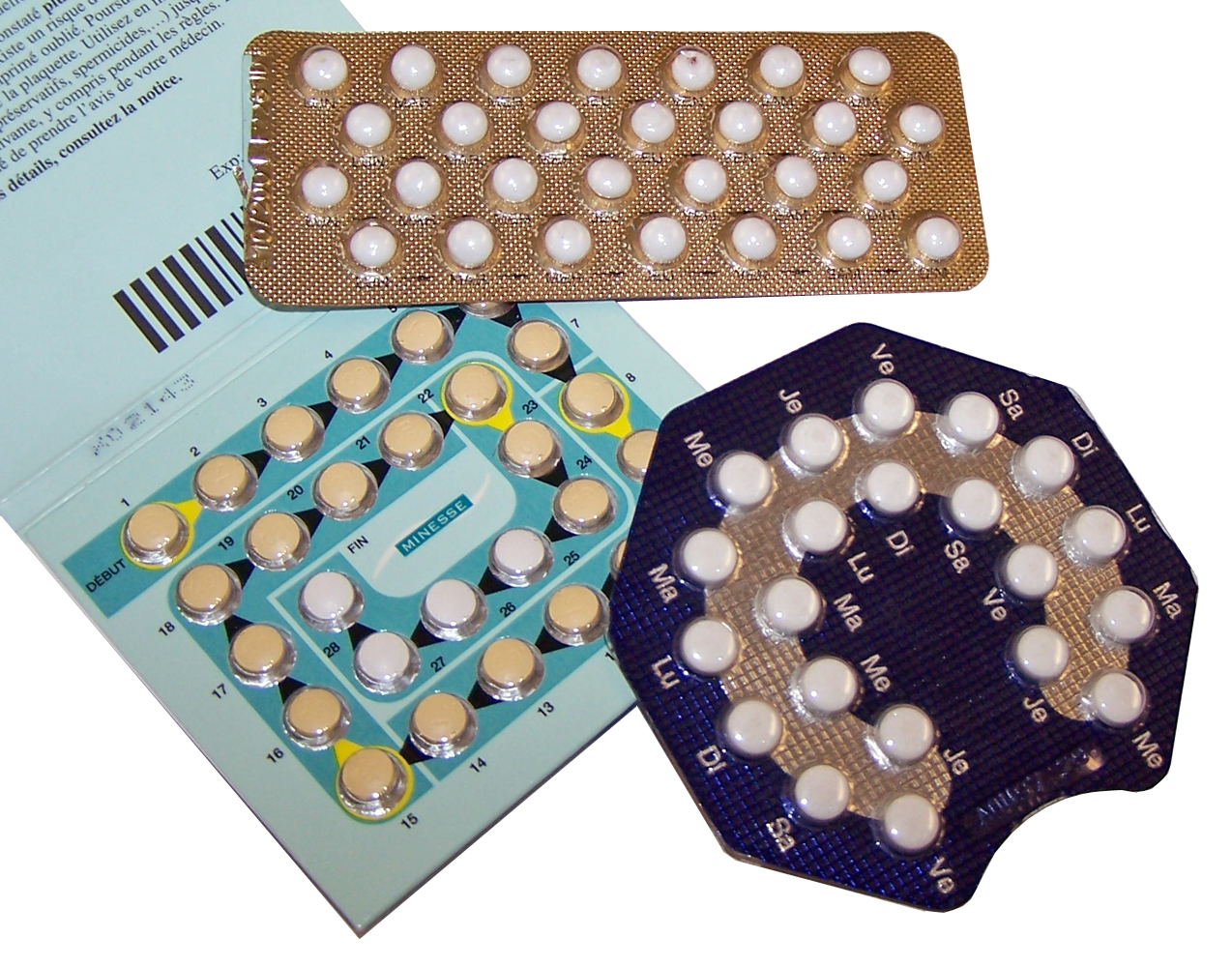
Discontent with Arguments against Birth Control

Get ready for some ideas that have been stewing in me for some time, but are coming out now as a rather unedited blog post because we're in the middle of a pandemic. As a board eligible obstetrician and gynecologist, I don't like some of the arguments and language used to explain why contraception is wrong. Comments are open, content is subject to the Church's teaching.

"Birth control is a crutch."

I don’t like the arguments made by certain bioethicists that hormonal birth control is a "crutch," and therefore it’s wrong. This is certainly not the only argument they have against birth control. But let’s think about crutches: they’re actually a really useful medical treatment to take a load off of a healing joint. If this is an apt analogy, then birth control is a really useful medical treatment for...something? What do these bioethicists claim we are bridging towards with birth control? I think their position is actually that birth control is intrinsically problematic and it is being used lazily and problematically. But “crutch” is absolutely the wrong word for that. When making analogies about medical things to medical people, at least make your analogies accurate.

The real scenario is actually more like the analogy and less like the intended meaning. In its best form, birth control is a bridge to something better according to gradualism.

"Birth control is bandaid therapy."

Furthermore, I also don’t like the word “bandaid” in these analogies. Birth control as “bandaid” therapy is an oft-used phrase in Catholic gynecology. Rather than solve the PCOS or dysmenorrhea or whatever (so goes the argument), physicians prescribe birth control to “cover it up.” Can we talk about how this is not a good summary of what birth control is doing here? The best example is PCOS. Certainly, we are not solving PCOS at its root cause, but that is because we don’t know its root cause. And NaPro, regardless of how much more natural it is, also doesn’t address the root cause. A sign of this is that medical NaPro has to keep treating and treating and treating its patients with cooperative E and P. (Ovarian wedge resection is the closest thing we have to addressing the root cause, which is part of surgical NaPro.)

But OCPs being used for PCOS do more than just "cover up the problem." They don’t simply hijack, replace, or cover up a woman’s natural cycle. They interrupt the failed cycling that a PCOS patient has, which is much closer to stopping the problem at its source than the "bandaid" argument makes it sound. PCOS is possibly best conceptualized as a failure to move through the menstrual cycle, instead getting stuck somewhere close to the LH surge, which produces the effects of hyperestrogenism and hyperandrogenism due to aromatase (including abnormal hair growth, endometrial hyperplasia, glucose intolerance, and abnormal blood lipid concentrations).

Birth control (unlike cooperative E and P) puts a stop to this arrested cycle at its origin, the hypothalamus, by suppressing secretion of GnRH. It upregulates sex hormone binding globulin (SHBG) which sops up extra estrogen in the blood and eases the effects of hyperestrogenism and hyperandrogenism. It hits a reset button on the CPU of a woman’s cycle: not natural, but sometimes needed for normal operations. It’s not a bandaid, it’s actually a pretty sophisticated cocktail of shelf-stable hormones that work by a clever mechanism of action to stop dangerous effects that PCOS can have on a woman's body.

I will happily admit that birth control as a "bandaid" is a much more apt analogies for conditions like dysmenorrhea, where it may actually mask conditions like endometriosis. But even here, there is a legitimate role for nonspecific medical therapy before surgical treatment in many common conditions, such as anemia of unknown cause or back pain. Why should we belabor gynecologists for wanting to do something that will most likely be helpful, as long as it's not illicit?

"The pill kills."

We really need to stop saying “the pill kills” as an argument against contraception. This holds no intellectual weight with any kind of opposition. All medications have side effects, and many medications have caused death. Many very important medications cause more death than the pill. The doses of estrogen are lower than the doses in the original pills which could be classified as carcinogens.

True, women don’t need these medications the same way they need warfarin or vancomycin or even Tylenol. And true that even small doses of estrogen can, over long periods, affect multiple body systems and we continue to see effects of hormone therapy in women of all ages. But “the pill kills” as a soundbyte-turned-argument is not serving us well. Admit that the pill is actually a pretty clever and pretty safe medication, and then debate whether its small panel of side effects should be taken on for fertility (a good)—you then have a more robust argument without so many holes, and an argument that better resembles the true problem with hormonal birth control.

Wednesday, November 30, 2016

Elevator Speeches

Here are my quickie explanations for some of my countercultural choices. If someone really wants to know what I think, I tell them without holding back, in a way I think they'll understand.

Not prescribing contraceptives
Credit: euthman
I counsel about everything, but there is enough cell biology to make me think human organisms form at sperm-egg fusion that I don't like the post-fertilization effects of hormonal contraceptives. Barriers are harder to find a problem with, to be honest, but sex at its best is a total gift of one person to another, and barriers block some of that gift. I know it's not a perfect world, but (not to be crass) I want everyone to have sex at its best and I think not having that has bigger ripple effects than we think.

Opposing abortion
There are a lot of people personally affected by abortion, and I don't know where you stand. I can't pretend I understand any particular person's story but I can at least speak to the science that I tried to delve into. There is enough cell biology to make me think human organisms form at sperm-egg fusion, but that's the easy part. If we think there's an organism with human DNA formed at fertilization, the hard question is, when do we protect it like we protect the mom? When we're potentially talking about--ending of millions of protectable human life--I say we should be cautious. 

Offering NFP
I really think women should learn about all their options, and the quality of the evidence that supports each of them. There are fabulous numbers attached to several fertility awareness-based methods, but we need to acknowledge that these studies haven't passed through the rigors of statistical significance, peer review, and FDA approval.

Being a Christian
I believe there is a truth, something objective that exists and that is right and wrong. If you think that, you realize that truth has staying power, which is why fads and memes slip away so fast. One of the things with the greatest staying power is a two thousand year old story of a man who reportedly rose from the dead to save sinners. I'm a sinner, and I thought that staying power was something worth looking into. The rest can't fit into an elevator speech.

Being a Catholic
History leads to Catholicism. You can tell that men writing in the early decades and centuries A.D. were very identifiably Catholic. The reason why I'm Catholic isn't because I love the customs, the people in the hierarchy, or the feelings I get. It's because I love Christ and I see that this is the Church He founded.

Being a consecrated virgin
The Jewish idea of the people of God as the bride of God really flowered within the Catholic faith, and in the early centuries there were women married permanently to God. That rite is used today, and it's a beautiful life.


This post was a draft for a long time, because it takes me a lot of introspection and lived experience to encapsulate things that are this controversial and this important to me. Hope this is helpful!

Tuesday, November 15, 2016

A Licit Device to Prevent Pregnancy?

Credit: eglisetraditionaliste.org
Every few years the story about the "nuns in the Congo" that a pope (usually it's Bl. Pope Paul VI) said could take birth control resurfaces. Inevitably there are debunkers and rebunkers. It's very hard to find original documentation on this question, even in the age of the internet, because it was apparently all internal memos from theologians.

The story causes lots of confusion, but probably shouldn't because A) there was more estrogen in pills back then, so they probably were all truly anti-ovulant, B) it wasn't known that pills could even be contra-gestive or abortifacient, and C) emergency contraception (i.e. anti-ovulation or anti-fertilization in nonconsensual intercourse) is even now viewed as legitimate in Church teaching.

Nevertheless, every time the story arises, I think to myself: what sort of intervention could be licit in such a situation?

The problem is this: I need effective pregnancy prevention without post-fertilization effects. An ideal intervention would be anything that prevented fertilization only, such as something that inhibited cervical fructose production, capacitation, or the acrosome reaction. Of questionable permissibility would be something to inhibit the zona reaction (preventing the thick rind of chemicals around the egg from hardening), which would allow polyspermy and lead to a nonviable embryo. If life begins at sperm-egg fusion (which I find compelling) then allowing polyspermy would allow some viable embryos to become nonviable due to increased chromosome content.

But none of that technology exists. Just considering existing technologies, the most effective preventative devices are hormonal, but the only licit ones are barriers, and those mostly rely on male cooperation (or don't prevent STDs, like the diaphram). Hormonal strategies are illicit because they have post-fertilization effects. Going back to the doses of estrogen that pills contained in the time of Pope John XXIII is unsafe for women.

What I'm about to say does not come from an ethicist, a Church official, or even someone with a real degree in theology. 

A diaphragmJust for clarity: the Catholic Churchis very clear that barrier contraceptives like
diaphragms are gravely sinful in marriage.
So, I guessed, maybe I need a barrier with hormonal-but-not post-fertilization effects. Maybe (this sounds really uncomfortable but hang on) a diaphgram plus or minus a cervical extension designed to go to (but not past) the endocervical os. The device could have a very, very low concentration of  levonorgestrel in it, so low that it had only autocrine effects on the cervical crypts only, and not on endometrial tissue or ovaries. Perhaps levonorgestrel would have too long a half life, and we'd have to synthesize a shorter-acting progesterone or one that had a long half life in an inactive form, then a short half life in an active form.

The result would probably be a ton of mechanical cervicitis. But (maybe) no postfertilization effects and effective pregnancy prevention. You could decrease the rate of cervicitis by using it only during your fertile window. (And maybe the diaphragm part of it could include a BBT thermometer component so that the device itself could tell you when to take it out, or an app connected to the device.)

But is this a good thing? Is it a crutch that would just act like another LARC, or would it help women (especially those who learned to chart so that they could use it only 5-10 days a month)? Would it drive us even deeper into the culture of death by helping people in absurd states (e.g. these women and this woman), or would it help lift us out, until we're more ready for the ideal of everyone-married-and-using-NFP?

And where do I go now? The patent office, or the confessional?

Friday, January 15, 2016

An Epiphany

This post is not about magi. It's about a revelation that is changing or might change my career.

Last time I posted asking whether you knew what Catholic teaching said about contraception. You may have been surprised to discover (or rediscover) that the Church has only said contraception is illicit within marriage. Although there have been many occasions to broaden this proscription, the Church has not done it.

I learned this at a local CMA guild event. Myself, a few other residents and a few attendings of various stripes (pediatrics, psychiatry, OB) gathered at the convent of the Religious Sisters of Mercy (who included pharmacists, a med student, two nurses, and one of the attendings). The topic, ostensibly, was birth control in the mentally ill. I went because I had patients like that on a PAG rotation in med school, and I have patients like that today.

But the conversation broadened to what Catholic teaching is on contraception outside of marriage. The facilitator pointed out that it has never been defined, although he stressed the issue of prudence in preventing promiscuity.

We were all terrified, because none of us had ever realized this. One of the pediatric attendings thought that we should never discuss this--her "Catholic" hospital was already handing out condoms...how terrible would it be if they started handing out hormonal birth control! She was afraid that one of the nation's largest "Catholic" pediatric hospitals would suddenly start handing out birth control if they were better educated on Catholic teaching. How sad!

At the same time as I felt sad and afraid, I was also tempted to shrug. Why would a marginally Catholic institution that already doesn't care about God's will suddenly care about God's will when given new ground? A "Catholic" hospital that doesn't want to follow in God's footsteps will not care about "prudence" that would want to protect pediatric patients from promiscuity (or STDs, pregnancy, statutory rape, etc).

Still, argued the pediatrician, if we can keep the real boundaries of the teaching quiet, we can keep hormonal birth control from harming a few lives (in spite of the Catholic hospital).

I asked myself whether I should talk about this with others at all. Would I only create situations where people would be imprudent?

I decided to post about it because if we don't articulate what the teaching really is, we get pharisaical about it. We draw large margins of safety around established rules, which are burdensome and nonsensical. I found a few unfortunate examples of people who believed that all use of contraception is mortally sinful. (Although I have heard recent challenges to the Peoria protocol from the Linacre, so stay tuned.)

I feel like this is a big shift in my understanding of what makes up the culture of death. Contraception is not in the category of objective evil all the time, at least we don't know that it is. It's not per se like abortion*, against which I must fling my whole self because I understand it to be the taking of a human life. Granted, it still is contributing to the horrible idea that sex and procreation are totally different things, and that sexual life is for the self-satisfaction of two consenting individuals. It's still chemicals women don't always need. It's still a bandaid most of the time. But it's now a crutch without which some of us could be thrown into worse chaos.

If only I had a big glowing orb in the sky to tell me where to go.


*By this I mean that the act of using a contraceptive is not known to be objectively evil. Post-fertilization effects are akin to abortion.

Wednesday, December 30, 2015

Quiz: What's Catholic Teaching on Family Planning? (Shocker)

This post conforms to the blog rules.Catholic doctrine on contraception (including hormonal and non-hormonal, long- and short-acting) is:
  1. Use of contraceptives by sexually active persons breaks up the unitive and procreative aspects of sex, and is grave matter that may constitute mortal sin.
  2. Contraceptives are a band-aid for women's health issues and should not be used for medical purposes in women who are not sexually active.
  3. Contraceptive use is technically occasionally licit (i.e. not objectively wrong), but is always imprudent.
  4. A and B
  5. A and C
  6. None of the above
The answer, shockingly, is F. Humana Vitae (HV) explained why contraception is objectively sinful because it destroys the good in licit sexual acts. The only licit sexual acts occur within sacramental marriages, and HV only touched on contraception in marriage. When sex occurs outside marriage, there is already an objective evil. It is not clear (i.e. it is not yet part of Catholic teaching) whether contraception augments the evil in these actions (like fornication, adultery, and extramarital sexual abuse) or can mitigate it. Theologians who wish to think with the mind of the Church have gone both ways on this issue. Many, like Germaine Grisez and Janet Smith, have opined that contraception is always wrong. Others, like Fr. Robert Landry, maintain that it is not always objectively illicit, but is usually or often imprudent. For more, here's Jimmy Akin.

True or false: It is good that children not come of non-marital sexual unions.

True. It's occasionally uncomfortable to admit it, but it's actually good when children are not conceived outside of marriage. Children have a right to grow up in a family, raised by a father and a mother, and many or most children born today are born with this right infringed. You're not a eugenicist if you think it's good that children's rights are preserved. Don't believe me? Try the next question.

True or false: It is good that children not be born of non-marital sexual unions.

Careful here. It's good when children aren't conceived. But once conceived, their rights must be protected as much as possible, including their right to life. Post-fertilization effects and abortion rob a child of something even more basic than the right to be raised by mother and father.

Catholic doctrine on primary sterilization (mutilating of a human body by removal or altering of otherwise-healthy organs for the sole purpose of destroying fertility) is:
  1. Sterilization is mutilation of the human body, which is dignified not only by creation in the image of God, but also by the Incarnation.
  2. Temporary sterilization is occasionally appropriate even if the principle of double effect does not apply.
  3. The Catechism only specifies that sterilizations on innocent persons are against the moral law.
  4. A and B
  5. A and C
  6. None of the above.
The answer is A. No temporary sterilization, no sterilization ever unless there is a medical reason for removal of a "diseased organ." C is interesting. The second half of a sentence in CCC 2297 states "directly intended amputations, mutilations, and sterilizations performed on innocent persons are against the moral law." But to take this and run off sterilizing prisoners would ignore the first half of the sentence: "Except when performed for strictly therapeutic medical reasons...." With all this information, let's go see a patient.

Case Study: A 32-year-old African-American G5P2113 (pregnant five times, with two children born at term and one born preterm, with one abortion or miscarriage, we don't know which; currently pregnant) at 26 weeks presents to obstetrical triage at Hospital A with abdominal pain. This is her third visit this pregnancy. She consistently maintains that she receives care at the resident clinic at Hospital B, but has likely never established prenatal care. She is unmarried and does not have custody of her living children. She has multiple psychiatric admissions for bipolar disorder, she is not currently on medications, she is currently homeless, and the resident seeing her suspects she just came from selling herself. She has been kicked out of several maternity homes for disruptive behavior. During today's interview in triage, she appears disheveled and emotionally labile. It is clear from her responses to questions about her medical and social history that she is either intellectually disabled or out of touch with reality. She insists that she is full term and that it's time to induce her labor, although her triage workup reveals no evidence of labor, or other obstetric or gynecologic pathology. Upon the patient's discharge from triage from Hospital A, the attending supervising the resident states, "she needs a strong postpartum plan," meaning that she should receive a LARC or be sterilized so that she won't get pregnant again. Hospital A and Hospital B are Catholic. What is an acceptable postpartum family planning option for this patient?
  1. Natural family planning/fertility awareness
  2. Mirena
  3. Paragard
  4. Nexplanon
  5. Essure
  6. Postpartum filshie clip tubal ligation
  7. Parkland method tubal ligation
  8. Depot haldol and social work consult for another group home placement
A: Wrong. There is so much beauty to NFP, but for a woman who doesn't have money for bus ticket and who isn't medicated and out of touch with reality, it is not enough.

B: Wrong. Mirenas can be placed immediately postpartum but rate of expulsion is relatively high. Plus, mirena is a progestin-containing system and has post-fertilization effects.

C: Wrong. Paragard can also be expelled when placed in the postpartum period, and also has post-fertilization effects.
D: Wrong. Can be placed postpartum, but has post-fertilization effects.

E: Wrong. Cannot be placed postpartum, and is a permanent, primary sterilization.

F: Wrong. Even if it can safely be done postpartum and is as close as you can get to a temporary sterilization (you can pop off the clips and re-anastomose the tubes), it's still a primary sterilization and HV condemns even termporary sterilizations.

G: Wrong. That's a permanent primary sterilization.

H: Really? That's the best we can do for her? I am totally dissatisfied with our options. 

This woman is unmarried and her ability to truly consent to sex is in question. Children have a right to be born to a family, raised by a mother and father, and it is better for her not to have children right now. I can't render her sterile because that is objectively wrong. It may not be objectively wrong for me to render her infertile (although it might be imprudent), but all my options for rendering her infertile (aside from condoms, which she can't control) have postfertilization effects.

Conclusion: I want to think with the mind of the Church. I know Catholic teaching, like every appropriate body of law, does not include dicta for every particular situation. But I know Catholic teaching grasps the truth whenever it speaks on issues of faith and morals. And it works, because it's the truth. 

But right now, there is nothing that works for patients like my case study (and I have seen her for three of those four triage visits). Where is the truth here? Do I need to develop something new?

Tuesday, December 15, 2015

Emergency Contraception

Emergency contraception can be considered licit as a form of self-defense after sexual assault. It deserves a long exposition (which I can't give you while I'm on my month of nights*), but here's quick a rundown.

The Ethical and Religious Directives are more specific here than on ectopic pregnancy. Directive 36 states:
If, after appropriate testing, there is no evidence that conception has already occurred already, [the female victim] may be treated with medications that would prevent ovulation, sperm capacitation, or fertilization. It is not permissible, however, to initiate or recommend treatments that have as their purpose or direct effect the removal, destruction or interference with implantation of a fertilized ovum
What does this mean practically? "Appropriate testing" is often taken to mean the Peoria Protocol.** The Peoria Protocol lays out how to tell with moral certainty that a woman has not ovulated and that the primary effect of EC is anti-ovulatory. It involves serum progesterone (<1.5 is pre-ovulatory, okay to give EC) and urine LH (negative is pre-ovulatory, okay to give EC).***

Unfortunately, even if the Peoria protocol can predict the right timing for emergency contraception, it's not clear we have anything to use.
  1. Hormonal IUDs: insertion of a mirena or skyla as EC relies not only on the anti-ovulatory effects of the levonorgestrel, but also on the intrauterine effects, which act after fertilization. Although it may be argued that application of the Peoria Protocol could allow these effects to be avoided, a systemic hormone (to reach the hypothalamus) is more targeted than an IUD, which would also have to be removed if the patient is later sexually active.

  2. Paragard: this relies on post-fertilization effects (which is why it works up to five days after the act of intercourse), and cannot be licitly used.

  3. Plan B: is levonorgestrel, given in one 1.5mg dose or two 0.75mg doses twelve hours apart. Strangely, we can't seem to figure out whether its main effect is primarily anti-ovulatory or post-fertilization. A 2016 review of plan B, done through a Catholic lens as a summary of lots of work by the same authors, found that plan B almost always works through post-ovulatory mechanisms, even when administered before ovulation.

  4. Ella: ulipristal is a selective progesterone receptor modulator. It is given in one 30 mg dose. It antagonizes progesterone at its receptors on the endometrium, which mean it only has post-fertilization effects. This is the same mechanism of action as mifepristone (RU486, which is given in doses of 600mg for elective abortions). Although package inserts deny that it is abortifacient, this indicates that a 30mg dose is not suspected to have post-implantation effects. For a Catholic who understands life to begin at sperm-egg fusion, ulipristal is extremely likely to lead to loss of embryonic life.
  5. Hormonal pills: these may be licit before ovulation (still need the Peoria protocol), used in a Yuzpe-like regimen, so that there's enough estrogen to actually act as an anti-ovulant. More research needed!
  6. Meloxicam: this COX-2 inhibitor can, at doses of 30 mg/day taken for five days during the late follicular phase and the day of the LH surge, prevent functional ovulation in 90% of women with no effect on LH, progesterone, estradiol levels, or cycle length. There are concerns that NSAIDs disrupt implantation. Jury's still out, but this seems the most defensible option at this time. It relies on a hospital's ability to identify the follicular phase/LH surgr (a.k.a. you need the Peoria protocol).


*I wrote the first draft of this post on a month of nights my intern year. By the time I got back to it to revise it, I was on a month of nights during my second year. Wow.

**A complete moral explanation supporting the Peoria protocol can be found in Slosar JP. Catholic health care and emergency contraception. Healthcare Ethics:2000;8,4. (No link available.)

***Notice I didn't give units. Do not use cutoffs in a blog post to determine management of patients requesting EC. You need a working relationship with your hospital lab and you need to be better acquainted with the Protocol's other reference ranges for progesterone before you can use it.

"Absurd States," Gradualism, and NFP

This post conforms to the blog rules.I'm going to tie two patients together to illustrate a point about the difficulties I'm facing in a post-pill culture. The phrase "absurd state" in the title comes from the phrase used to describe cryopreserved embryos, who need to be maintained in cryopreservation to avoid likely death. It's a state that would never had existed had we not used technology outside of the truth.

I saw a  patient at one in the morning on call a few weekends ago. My diagnosis was round ligament pain, but we spent most of the visit talking about how she was trapped in a cycle of heroin and cocaine use, and she wanted to get clean. She had overdosed twice in the past week, she told me, and she didn't want that for her future. She told me about her plans to get into a suboxone clinic and a maternity home. She impressed me and I told her so.

Exactly twenty-three hours later (I looked at the clock) she was back after being found unresponsive, having overdosed again. She was brought back with narcan and the emergency department sent her to triage to rule out obstetric concerns. In the words of my second-year who was in triage at the time, she was "high as a kite." I was angry at drugs and angry at her for ruining a life that had such potential to turn around. I'd been told that if drug addicts' lips are moving, they're lying. I grew used to that as a fact during my time on the substance abuse service as a third year med student, but it stung to be reminded.

Three overdoses in a week. "She's going to kill herself," I observed softly to my second-year. One of these times, someone's not going to find her, or she's going to make sure she's not findable.

"That poor baby," added my second-year. Both baby and mother were in an absurd state, brought about by drug developments and the breakdown of marriage, families, and mores.

I saw a different patient in clinic a few days later. This one had been addicted to narcotics and benzodiazepines, but had weaned off her narcs by the time I saw her. She complained that she had missed so many prenatal care visits because she'd lost her job and was now living with her two alcoholic parents. I was less impressed with this person from the start, but I sympathized and tried to connect her with social help to get her better situated. Narcotics and benzodiazepines, more than some other drugs, seem to make people childish.

Not a week later, she happened to present to triage in labor, and I saw her with her mother, who looked exactly like mine. I know people can hide alcoholism more than they can hide, say, meth addiction, but I was even less trustful of this patient than before. She was moving her lips when she called her parents alcoholics; was she lying? I saw her postpartum. She was not handling new motherhood well, and I was again unimpressed. I know the postpartum state is uncomfortable (especially when we aren't giving you your xanax), but I felt frustrated by this patient, and I spoke with a little more sternness than I usually do.

"Do you want to be pregnant again?"

"No," she answered. "Unless I meet Mr. Amazing."

I ignored the comment and dug back to the issue. "What are you planning to use to prevent pregnancy?"

"Abstinence," she answered readily.

I had to recover from an instant of shock, because she was completely serious. "Is that what you used before this pregnancy?" I asked, unimpressed in the extreme.

"Yeah," she said, still serious. "It worked really well until one day I just said '**** it.'"

I was pressing my lips together in frustration at this point. "This time," I said, "I want you to think about another way to avoid pregnancy."

"I don't want my tubes tied."

"I don't think you should have your tubes tied," I rejoined. She was under thirty and there was still hope that she'd stop the benzos and go back to a normal life. "But abstinence didn't work last time, so you can't use it again." I gave her a run-down of the available methods of family planning, including NFP. And then came the time in my life I never wanted to come: I advised that someone not use NFP.

"But fertility awareness takes discipline," I said at the end, "and I don't think that's the best choice for you right now." The words were like a knife in my soul, but I went on: "You either need to make big changes in your life so that you can develop that discipline, or you need to use something that will chemically change you so that you can't get pregnant."

Our culture has become dependent on birth control. There are failings in the culture that seem to now need the crutch of birth control to avoid great evils. There are whole swaths of souls in absurd states. Following in the (unfortunately infamous) footsteps of Benedict XVI, I applied the principle of gradualism during that conversation. Was I wrong? I went to confession and the priest was vague; he told me it was grave matter (which I knew), but did not tell me whether I had sinned or not.

It's in these cases where I begin to feel very culture-of-deathish sentiments creeping up in me. Sentiments like "she shouldn't be able to be pregnant any more," or "it would have been better for that child not to have been conceived." But those are lies. A life can be made right and she should keep her fertility. And that life is precious, and should be cared for (by another person, perhaps).

But does gradualism allow us to avoid the objective evil and choose a lesser evil in situations like this? Not because it's good, but as a bridge to what is good? Can I suggest mirena (not as my peers do, as a panacea for all female woes, but) as a rescue until a person's life can grasp the good?

This post doesn't come to a clear conclusion and I'd appreciate comments and suggestions.
 

Monday, July 13, 2015

OB/GYN Ethics 101

Let's be practical: what can a Catholic medical student on his OB/GYN rotation do? What about a Catholic resident working in OB/GYN settings (including family and medicine residents)?

The Do's


Be confident. You have the truth, which is not only a set of beliefs, but a Person who is pleased that you want to do the right thing, and will protect you.

Answer test questions as if you toed the party line on contraception, sterilization, and abortion. We can "prescribe" on paper.

Prepare an elevator speech so that whenever you must state your choices, you can do it smoothly and briefly.

(For residents) Tell your program director.

(For medical students) Do not tell any higher-ups unless you know they will be receptive. Tell clinic attendings at the beginning of any day (the evening before if possible) when there is an objectionable procedure scheduled; tell surgical attendings before the first sterilization you do with them.

Be an awesome person and a hard worker. We must "be perfect," to challenge those who think we're bizarre.

Find as much in common as possible. For instance, be loud proponents of "teens shouldn't get pregnant" and "STDs are terrible," and "no, condoms aren't enough!"

Counsel patients on family planning. To counsel is to present the dosing, routes, side effects, and mechanisms of action of available options. Counsel patients as frequently as possible, because only our counseling is truly presenting the whole truth about all three mechanisms of action (MOAs) of hormonal contraceptives (including thinning the endometrium which may lead to post-fertilization pregnancy loss, per the package inserts) and the existence and benefits of NFP or fertility awareness.

Happily volunteer to take out IUDs and nexplanons.

(For medical students and interns) You may observe one or two insertions of IUDs, nexplanons and Essure. Your participation is remote, it improves your counseling (i.e. you won't remember to mention ibuprofen premedication before IUD insertion if you don't realize quite how much cramping can occur), and you can pray for the patient and physician more vehemently. Students, it's best to speak with your preceptor beforehand, as soon as you see an IUD/nexplanon/Essure insertion on the schedule. If somehow that doesn't happen and you're offered the chance to do the procedure, just say, "I'm not comfortable." (Residents, your PD should already know.) But (students) if they press you (and residents, if this attending didn't get the memo), say confidently: "Thanks for the chance! But I'm choosing not to prescribe contraceptives."

You can participate in endometrial ablations. These are usually done for gynecological pathology (e.g. excessive menstruation) and are not a form of sterilization; however, they do have a sterilizing effect. If everyone's intentions are correct, the principle of double effect at work. Because we cannot see into other souls, we can pray for the best and operate as if the principle applies. (If the patient makes it clear that she wants the sterilizing effect, it's your duty to tell her that this procedure does not sterilize and you cannot guarantee that.)

You can participate in hysterectomies. Everything that applies to ablations applies also to it. Our bodily integrity is important, but this procedure is sometimes necessary for patients who fail conservative management (i.e. ibuprofen, lysteda, napro).

You can scrub into C-sections during which they plan to do a tubal ligation (BTL). You can assist with the section, but do not do anything during the BTL. To protect yourself from acting during the BTL, speak with your attending or chief resident (whoever the highest person in the room will be) beforehand.

(For medical students) Some attendings will not let you scrub because you're refusing to participate in the BTL. This is unjust, but take it gracefully and ask if you can observe. If they say no, go peacefully back to the floor or L&D.

(For residents and sub-interns) You can scrub into a BTL to practice laparoscopic access techniques. Make it clear to your attending that you will not be participating in the ligation, but are grateful for the opportunity to learn from their experience in entering and closing the abdomen safely.

You can participate in dilation and curretage (D&C) when done for missed abortion (miscarriage). There is no moral quandary here, if fetal death has been verified by lost heart tones, absent cardiac motion, negative hCG, obvious ultrasound findings (e.g. separation suggesting the decay of remains), or obvious history (e.g. three days of heavy bleeding with fetal parts). Always say to the mother and father of the child, "I'm sorry for your loss." Not only is this what they feel, but it builds up the identity of the unborn child as a person.

Obviously, you can participate in D&C for non-obstetric indications or retained placenta.

(Not usually for students) You can induce labor for missed abortion. If the loss is verified as above, console the patient and father and help with cervical ripening and augmentation.

Counsel on elective abortion (EAB). You must know at what gestational age different procedures (RU486 (mifepristone), D&C, and dilation and extraction (D&E)) can be done. You must be able to describe these techniques to women gently but without euphemism. You must also know the rates of post-traumatic stress symptoms and PTSD among abortion victims, the rates of live birth following abortions, and (if you're a gunner) laws in your state about waiting period, parental notification/consent, ultrasound, and upper gestational age limit.

Care for EAB patients before and after their abortions. This includes preop and postop care in the hospital, and follow-up visits in clinic. Ask about how the patient is handling the loss. Be ready to offer local post-abortive healing information (i.e. carry the cards with you in your pocket), but don't push it.

You can participate in training activities for D&C and LARC/Essure insertions. A D&C is a legitimate operation for indications like excessive bleeding and missed abortion, and scooping out a papaya to learn how to do it is not a big deal. Mirena can help nonsexually active patients who fail other pharmacological therapies. Pick your battles and don't fuss about this. Use it as a chance to observe to your peers sitting next to you about how weird it is that you'd do a D&C when there's still a heartbeat, or how there's gotta be some way to plan pregnancy without sticking a 16 gauge needle in someone's arm (nexplanon).

Counsel on perinatal hospice. Perinatal hospice should be offered to any patient with a fetal anomaly that is "incompatible with life." This is a period of parenting the unborn child and mourning the loss of the baby the parents hoped for. It also involves services like Now I Lay me Down to Sleep (a no-charge project). Students and residents have a particular power in suggesting perinatal hospice (which is uncommon at most centers that offer termination for lethal anomalies) because we go in before the attending and can make suggestions that the attending would not.

(For residents) You can consent patients for BTLs and IUD/nexplanon insertions. To consent (like to counsel) is to offer a full picture of risks, benefits, and alternatives. We are the ideal people to consent for BTLs, nexplanon insertions, and IUD insertions, because we can stress that these things affect something valuable (fertility and integrity of lovemaking), and we can emphasize the permanence of sterilizations, and the fact that many regret their procedures. If you help a patient opt into a less permanent form of birth control, you've helped! It's painful to consent and counsel when people make the wrong decision. But we can only offer the truth (the whole truth), and allow our patients and our superiors to make their own decisions.

Wikimedia. The contributor writes:
"This is an image of my child, he died
and this is how I remember him."
You may visit and learn in IVF clinics. REIs are very intelligent and know a lot about physiology. If you are taken on a tour and see freezers and incubators, use it as an opportunity to pray for the little souls trapped there, and the adults who are trapped in confusion.

Pray every day. 30 minutes of mental prayer keeps you moving towards sanctity. (St. Theresa said that if we meditate, we will either become saints or stop meditating.) If I'm an OB intern and I can do it, so can you.

Talk it out with a friend. If the attendings are making you feel unwelcome, if you're stressed, if the culture is asphyxiating...get it off your chest! Get coffee with a friend and vent! If you don't have anyone sympathetic, email me. (That address is permanent, so even if you're reading this ten years after I wrote the post, I'll get it.)

Contact Alliance Defending Freedom if you're truly discriminated against. 

Be patient with yourself. You can't solve all the patients' problems or correct all your own inabilities all at once! Christ has the power to make up for your defects. Ask Him to do so, go to confession, and move forward in peace.

The Don'ts


Don't make assumptions about sinners' intentions. (This includes patients, peers, and attendings.)

Don't proselytize. Be attractive as a good student/resident, then be unafraid when people ask about NFP or the Catholic Church's ideas on contraception.

Do not advise the use of any hormonal contraceptive (e.g. mirena) in sexually active patients. Period. This is because of their post-fertilization effects.

Do not promote barrier contraceptive use as a good in itself. As Pope Emeritus Benedict wrote, condom use can be a step towards chastity, but always hold up abstinence as an ideal for the unmarried and NFP as an ideal for the married.

(For medical students) Try not attend more than two IUD insertions, more than two nexplanon insertions, and more than two essure insertions. Frame it as sharing with the other med students, or go find something helpful to do on the floor. Make something up if you can't find anything legitimate to do ("I have to go bring this down to the radiology library," "I have to fax this paperwork"), because it's important to not overexpose yourself. You don't want to dispose yourself to think these things are okay.

Do not participate in egg harvests, male masturbation, intrauterine inseminations (IUIs) and other gamete transfers, or in-vitro fertilization. Medical students should not put themselves in this situation: do not do an REI rotation at a facility that does IVF. Residents: if you must observe, make it clear to the attending that you cannot participate, even by holding the transducer.

(For residents) Do not induce labor for inevitable abortion, i.e. when fetal death has not occurred (e.g. when there are still heart tones).


This is a miscarried baby, not an EAB victim.
Never be present at an elective abortion (EAB). This is not because your participation is any different from your participation in BTLs, essures, and LARC insertions. It is because it is much more dangerous for you to be exposed to a sin of the gravity of an EAB. Two former abortionists have told me that the first one is repulsive, the second one isn't as bad, and the third one they make a pass with the curette. Never participate. Say, "I'm choosing not to participate in abortions (or "terminations" or whatever word your resident/attending just used)." Fake syncope if you must. I'm serious! Prefer disciplinary action and a bad reputation to observing an abortion.

(Mostly for medical students) Don't disrupt a patient-doctor relationship. This means that if your attending prescribes contraceptives to a long-time private patient, don't go into the room and talk about the carcinogenicity of hormones and the irresponsibility of using them. This will scare or frustrate the patient, make your attending unhappy with you, and cast a shadow on the truth about fertility awareness. This item not is on the list is because we want to be happy and comfortable. It's because a trainee has limited abilities to help people make good family planning choices; trying to break out of those limits will likely not help you become a physician, or a saint.

Don't dump any other task on others.

Don't be frustrated when people assume you're making these choices for stupid reasons. Most will assume you're choosing unfounded cultural/personal opinions over science. Take it gracefully, and remember that when you suffer it is because Christ is bringing you close to Him in His Passion.


I hope this post is helpful. I will edit it periodically to reflect new devices and laws as the need arises. I want to fill in some of the numbers and am working on finding the literature behind them so that I don't put unfounded figures in your mouth. Please leave a comment below if you've run into a situation I haven't covered.


Saturday, June 6, 2015

List of NFP-Friendly OB/GYN Programs

This list is a composite of a list created in 2008 and updated in 2015. It reflects word of mouth from applicants and interviewees and does not represent program directors' opinions or desires. Not all programs on this list are equally enthusiastic, and not all programs listed here may have been honest with the applicants who passed on the word about them. Disclaimer: this list doesn't exempt you from talking to people and using good judgement at interviews!

In no particular order:

  • MedStar/Washington Hospital Center (Washington, D.C.; has absorbed previously recommended Georgetown)
  • Exempla St. Joseph (Denver, Colorado)
  • Phoenix Integrated Residency (Phoenix, Arizona)
  • St. Louis University (St. Louis, Missouri)
  • Mercy Hospital (St. Louis, Missouri)
  • Presence St. Joseph (Chicago, Illinois)
  • Presence St. Francis (Evanton, Illinois)
  • University of Illinois College of Medicine (Peoria, Illinois)
  • Grand Rapids Medical Education Partners (Grand Rapids, Michigan)
  • St. Joseph's Mercy (Ann Arbor, Michigan)
  • Loma Linda University (Loma Linda, California)
  • Baylor University Medical Center (Dallas, Texas)
  • Methodist (Dallas, Texas)
  • Methodist (Houston, Texas; has absorbed previously recommended St. Joseph's)
  • Baylor College of Medicine (Houston, Texas)
  • Memorial Hermann (Houston, Texas)
  • Texas A&M University/Scott and White (Temple, Texas)
  • University of Texas Southwestern (Austin, Texas)
  • SUNY, Sisters of Charity (Buffalo, New York)
  • Florida State University (Pensacola, Florida)
  • Louisiana State University (Baton Rouge, Louisiana)
  • St. Francis Care (Hartford, Connecticut)
  • Creighton University School of Medicine (Omaha, Nebraska)
  • Tulane School of Medicine (New Orleans, Louisiana)
  • Wright State College of Medicine (Dayton, Ohio)
  • University of Minnesota (Minneapolis, Minnesota)
  • University of Utah (Salt Lake City, Utah)
  • University of Cincinnati (Cincinnati, Ohio)

Friday, February 27, 2015

How Many Women Need to Take Birth Control for Medical Reasons?

I frequently hear that many women (1.5 million in 2011, according to Guttmacher) use birth control pills exclusively for medical reasons, and that 58% of pill users use the pill for contraceptive and medical purposes. This distribution is similar for other types of hormonal contraceptives, especially the progestin IUD. This leads me and most to ask whether birth control in these settings is acceptable. Tl;dr? Read bold.

Some don't know that section 15 of Humana Vitae reads:
On the other hand, the Church does not consider at all illicit the use of those therapeutic means necessary to cure bodily diseases, even if a foreseeable impediment to procreation should result there from—provided such impediment is not directly intended for any motive whatsoever.
And some don't realize that this doesn't answer the question.

Pope Paul VI wrote HV before the post-fertilization effects of the pill were well known, before the controversy over its side-effects, before four decades of gynecological advancement, and before lower-dose pills (in early trials, pills contained the estrogen of three high-dose pills on todays market, and the progestin of ten Plan B One-steps). We can still apply his intention, but we need to ask the question again: should we use the pills currently available as we currently do?

First of all, let's cover some basics.
  • What is a "medical purpose?"
  • What is "treatment?" What is "cure?"
  • What medical purposes are usually included in this discussion?
"Medical purpose" is a vague phrase. Merriam-Webster defines medical as "relating to the treatment of diseases and injuries," and purpose as the intention (the reason and hoped-for end point) of an action. Taking an action for a "medical purpose" must have treatment of disease as its intention.

What is treatment? In an editorial of precisely that title, a pediatrician named John Knowles wrote the American Academy of Pediatrics, just around the time that Pope Paul VI was writing HV. The piece is pithy and relevant:
[A]n increasing number of physicians are equating good treatment practices solely with specific drug therapy. This is recognizable most often in the use of the word treatment as synonymous with antibiotic. "No, I'm not 'treating' him" too often means "No, I'm not giving him any antibiotic." ...[The] personal bias of the physician [impacts] his philosophy and policies in respect to the treatment of his patients [but] let us not confuse the patient or ourselves by equation of a specific modality of therapy in which we happen to have transient faith with the total treatment rendered by careful analysis and responsible advice. [Physicians] have both a privileged advantage and a responsibility in developing a realistic appreciation of "what medical care is" in their patients....
Treatment, says Dr. Knowles, begins with our first contact of the patient, continues in our listening, exam, workup, and dialogue, and culminates in executing a plan for the patient's care. Knowles tells the story of a resident who develops a detailed plan for a young patient with a viral infection, and confesses at the end of the conversation to the patient's mother that "I don't think I will treat her at this time," meaning that he would not give an antibiotic. Knowles condemns this attitude, stating that the resident had treated the patient completely, and describing use of antibiotics as "treatment" was a mistake.

To "cure" is a relatively familiar concept, thanks to lots of oncology marketing. It means "to make someone healthy again."

Hormonal contraceptives are often regarded as treatment (or "standard of care") for gynecological problems like fibroids (235 million women worldwide), abnormal uterine bleeding (53 per 1000 women in the U.S.), dysmenorrhea (25% of women), polycystic ovarian syndrome (116 million women worldwide), and endometriosis (6-50% of women, depending on the population). (Not ovarian cancer.) Many Catholic ethicists and activists will repeat that hormonal contraceptives remove the symptoms of these disorders without changing the underlying cause. This is mostly true.

The gynecological disorders just mentioned are problematic because of cyclic hormones--her own hormonal factories are over- or under-firing, to her body's detriment. Hormonal contraceptives supply an artificial set of hormones, suppressing the patient's hormones and stopping the cyclic problem. (This is an over-simplified explanation for the multi-system, multifactorial PCOS, but is a decent explanation of the others.) This means hormonal contraceptives do address the cause of the disease: they silence the woman's production of hormones. But they don't cure: they don't repair the woman's organs so that she can cycle naturally and healthily on her own. The goal for women on hormonal contraceptives is either indefinite prescriptions, or to stop at some point (usually when fertility is desired) and hope for resolution of symptoms.

Hormonal contraceptives are also prescribed while women are taking teratogenic medications prescribed for other conditions (e.g. methotrexate for lupus, rheumatoid arthritis, or cancer; accutane for acne). Here, they do not treat the medical condition, but are used to prevent conception while the woman is taking something that would lead to birth defects or spontaneous abortion. (The irony of using something with post-fertilization effects to prevent spontaneous abortion should be obvious.)

Now let's answer the questions.
  • Are contraceptives the only option for gynecological abnormalities?
  • What about contraceptives for medically-indicated teratogens?
We're not in 1968 any more, and there's something better than hormonal contraceptives. As a reminder, hormonal contraceptives replace a woman's own cycle with pregnant-like levels of modified steroid hormones. In doing so (even for good purposes!) they adversely affect fertility and can lead to early pregnancy loss.

But that's not the only option. Gynecologists who want to can target specific times in a woman's cycle, if she's aware of the signs and symptoms of her own fertility. With those times identified, the physician can identify (by blood test) hormonal deficiencies, then supplement (by oral, vaginal, or intramuscular injection) individual cycles on time. Because this approach respects the timing of the woman's cycle, it does not affect her fertility. (In fact, especially in the case of PCOS, it may give it back.) The goal for women who are treated like this is slow weaning off of hormonal support, so that they can cycle normally on their own. 

What about women taking contraceptives because they are also taking a medication that can cause severe birth defects? Women who need isotretinoin for disfiguring acne (which pulls some out of depression and bad social situations) or who need methotrexate for disabling autoimmune conditions like rheumatoid arthritis and lupus are often told they must be on two forms of birth control. 300,000 women used isotretinoin in 2000, almost all of whom were of reproductive age (more recent data are not available). I couldn't find good statistics on methotrexate use, but I hazard a guess that approximately 2 million women of reproductive age used it last year for cancer and autoimmune conditions.

Accutane leads to a syndrome of malformations of the face, heart, and nervous system; methotrexate, to one of craniofacial and extremity malformations (both are also abortifacient, causing miscarriages). In cases of pregnancy during either therapy, physicians are taught to offer elective abortion (termination) to their patients.

This standard of care is noticeably contradictory in its approach to the value of an embryo. Embryos are valuable and do not deserve to be exposed to harmful chemicals, so do not become pregnant. Embryos are not valuable, so use a contraceptive which can cause their early demise. Embryos are valuable, so March of Dimes is indignant that miscarriages occur with accutane. Embryos are not valuable, so abortion is an option. 

That can of worms discussion is beyond the scope of this post; it's enough to say that fertility awareness based methods of avoiding pregnancy are 93-99.5% effective when used correctly, and don't carry all the ethical baggage of hormonal contraceptives. Not only that, but they offer hope of cure, without replacing a woman's own cycle, without post-fertilization effects, and (for the Catholics) without separating spousal love and fertility. 

So the answer? I can't be sure; if naprotechnology was the standard of care, maybe zero.

Sunday, January 11, 2015

Residencies' Reactions to My Choices

I interviewed for twelve categorical (four-year) OB/GYN positions at programs all over the country. Overall, most of them received my choices (not to prescribe, sterilize primarily, or abort) well. This surprised me. In retrospect, I think this largely had to do with careful selection of the programs and the fact that I was a very, very good applicant. (I scored in the 96th percentile on STEP 1 and the 80th percentile on STEP 2 CK, and most OB/GYn applicants in last year's match floated just under the 50th.)

Some programs challenged me, though. I was told at one program that my counseling on contraceptives would have to be observed and checked off (not usually a skill that needs to be observed and checked off), so that the program director could be sure I was being unbiased and using evidence to talk about NFP. I was told at another that I couldn't teach NFP in the clinic because it would be (to paraphrase) a disservice to the women of a certain demographic (poor women with less education). A third program said that my choices would not be compatible with what they saw as mandatory for the education of an OB/GYN (I won't be ranking them).

Everyone was polite. But it was clear in those three settings that what I am choosing to do is not an
equivalent alternative to mainstream gynecology.


There were other programs that were off-putting because of their liberal cultures. The program where "every" resident had "their" IUD and carried little Mirena samples on their ID badges to show to patients. The program where the endearing favorite professor was dear because he was the "gay friend" to all the residents, and heroically did sex-change surgeries. And finally, the Catholic hospital that repeatedly reassured us that the ERDs "do not get in the way of providing what your patients need."

But I'm happy to say that I have a strong top six programs, at any of which I would be happy. Truth be told, I'd be happy to be an OB/GYN at any of the programs I'm ranking, so I'm very grateful to God that he made all this possible!

Wednesday, September 24, 2014

The Things I Never Wanted to Do

I mentioned that I rarely discussed my choices about contraception, abortion, and sterilization during medical school. I never told my OB/GYN clerkship director, attendings, or residents anything. I think that made it easier to make friends, but it got me into trouble at least twice. I'm telling these stories for future Catholic med students, even those who aren't becoming OB/GYNs. With more forethought than I had, you can save yourself from some dangerous situations.

Cesarean Tubal Ligation

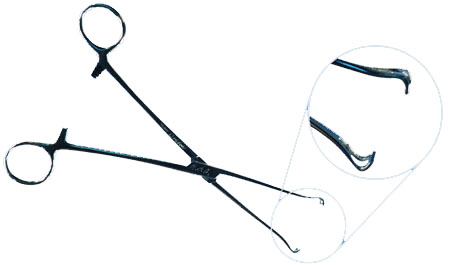
A babcock. Notice that it is made to hold a
tubular organ without crushing the tissue.
On my L&D rotation, I scrubbed in on any C-section that happened. The first time that a woman had chosen to have a bilateral tubal ligation (BTL) after the birth of her baby, I did nothing and nothing happened. The second time, the attending held out the handle of a babcock clamp, which encircles the tube, and told me to hold it. Reflexively, I did; after all, as a med student, you hold any retractor you're told to and wish you had reached for it automatically before you needed to be told. The babcock does not have anything to do with the actual tying of the tubes, but I was definitely participating in a sterilization.

Miserable, I held the babcock in space, wondering what I should do. Should I speak up? I didn't feel empowered and didn't want to be disliked. Was this remote and unwilling enough for me to be quiet and save face? Would speaking up be making a selfish scene? Remember, the patient is awake for a cesarean section; it's sort of too late to discuss ethics, especially when this patient has chosen to do the objectionable thing. But this is grave matter! And I know it to be grave matter! And I am doing it anyway!!
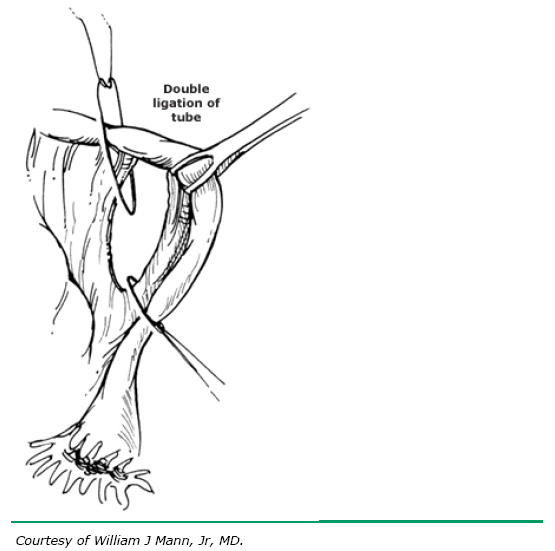
The babcock is at 2 o'clock in this picture.
The other two things are strings being
tied around the tube. The strings are clipped
and the tube between them is removed.
CCC 1857: For a sin  to be mortal, three conditions must together be met: "Mortal sin is sin whose object is grave matter and which is also committed with full knowledge and deliberate consent."
It was over before my analysis was over. So I said nothing. I still didn't cut the sutures. I went to confession before receiving communion. The conclusion of the priest was that this was remote and not "deliberate consent" enough to constitute mortal sin, but I was very, very determined not to let this happen again. It was careless not to say anything to the attending. I did better in the past, when I spoke up discreetly before a mirena insertion. But this wasn't the worst thing that happened.

Birth Control on an Away Rotation

Fourth-year med students occasionally spend weeks at a time at other med schools or residency programs. These "aways" are often done to make a positive impression on the residency program there and are called "auditions" in that case.

I was doing an audition rotation at a school and got waaay too close to prescribing contraceptives. I didn't realize that the clinic would be so pro-birth control, but I found more than 75% of the patients taking some form of hormonal birth control, and a strong culture supporting "safe sex" with 100% condom usage. I was at a loss.

I was on a month-long rotation trying to get people to like me. Med students are always sent into the room first; if I go in first and share all my contraception-why-not knowledge and then the attending goes in, the patient will ask one of two things: "So, is that med student just crazy?" or "Have you been lying to me, doc?" Worse, the patient will decide not to use contraceptives (yay), the attending will ask why (uh-oh), and the patient will explain that "the med student said...," and the attending will (annoyed) have to re-explain all the falsehoods and (red alert) rebuke the med student.

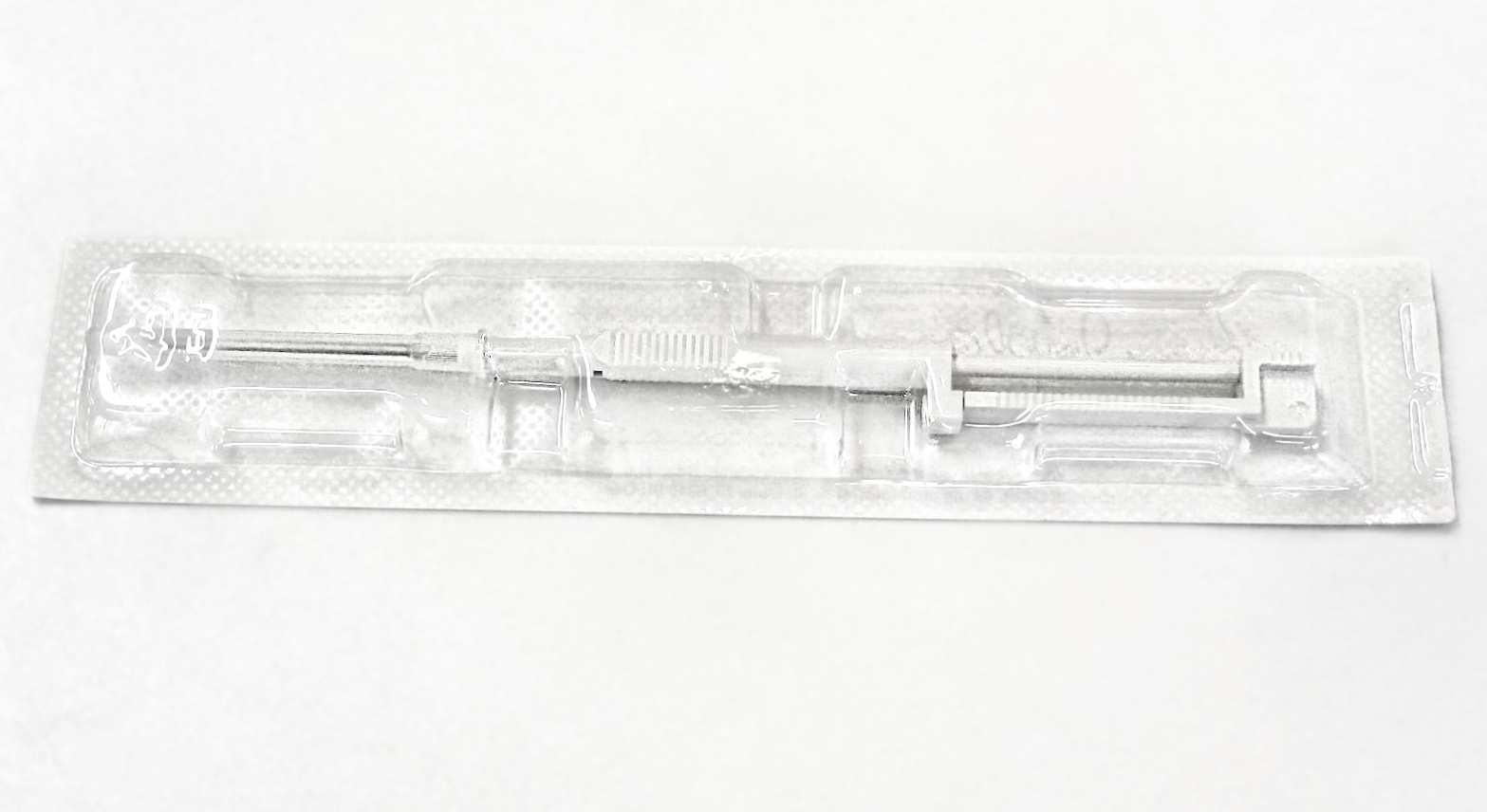
(Nexplanon)
You might argue that this course of action might have been good: it might have created a chance for me to bravely say, "Well, Dr. X, I was actually reading a paper that says (insert pro-family stuff here)...." But I expect those things would fall on deaf ears of the highly experienced, academic, and culturally blinded physicians I was working with. Worse still, I would have confused patients, possibly discredited the arguments against contraception, and possibly eroded their relationship with their physician.

So I clammed up and tried to say true things and not recommend contraception. I tried not to be excited when people were sexually active and using condoms and birth control. I tried to encourage people to think about whether they wanted to be pregnant and let that inform their decision to have sex. I was about the only one in the clinic to continuously tell teens that the most effective way to avoid pregnancy was to avoid sex. 

But I began to echo my attendings' speeches and advice about birth control as I counseled women about "the options," which was a requirement.  I was at fault for not knowing enough numbers to give to patients myself, though. I seemed to morph into someone who was pro-birth control: it decreases the risk of ovarian cancer and uterine cancer, I'd say, and the only side effect is possible irregular periods. When people asked me about future fertility, I said that "our professional organization [ACOG] instructs us that future fertility is not affected." (That was the most painful thing.) Working twelve-hour days in this place for four weeks wore down my defenses.

The ultimate result was the day I was almost running the adolescent medicine clinic and writing notes and plans (only missing the formality of writing the script and signing it) that included birth control of all flavors. After that, I found myself crying in a confessional again. This time, although the priest never said "that was a mortal sin," he did extract a firm purpose of amendment and my intention to say the penance. And he did tell me that I, like pharmacists, lawyers, and some others, stand in danger of losing my soul in my profession. It sounds harsh, but as I knelt in the confessional I felt and knew that he was very, terrifyingly correct.

So, Catholic medical student: discreetly inform your intern/upper-level/attending/preceptor/whoever. If it's too late, you are allowed to say something like, "Oh, I prefer to just observe; I'm happy to explain afterwards." And if you get into a sticky long- but short-term situation like my away, you need to do a little research (I'm hoping to put something up here with quick facts on contraceptives, etc) and be unafraid. Don't break up doctor-patient relationships, but do offer an alternative. I'll share a positive story in the a next post (because I have one).

Monday, March 11, 2013

How do pro-choice doctors think? (Part I)

A lecturer mentioned the Mirena IUD as a good therapeutic for lots of gynecological problems, especially dysfunctional uterine bleeding. He stated that it does not suppress ovulation.

I was puzzled, because per the package insert "[o]vulation is inhibited in some women using Mirena. In a 1-year study approximately 45% of menstrual cycles were ovulatory and in another study after 4 years 75% of cycles were ovulatory."

So I emailed him to ask.
Thank you so much for your lecture today.... I have a question about Mirena.

You said that Mirena does not suppress ovulation. But if it has contraceptive benefits, doesn't it have to suppress ovulation? I've heard defenses of Mirena against arguments that it is abortifacient, stating that its effects are primarily antiovulatory.
And he replied in a very timely manner!
Great question.... In a small minority of patients, the Mirena can suppress ovulation (probably from a "local" effect on the ovary), but in the majority of patients, it does not. The primary mechanism for contraception is complex, but is thought to be primarily by preventing sperm from being able to navigate up to the egg. This is by: 1) progestin effect on thickening cervical mucous 1) progestin thinning of the endometrium to the point of "near atrophy," which doesn't allow for a substrate for sperm to swim on 3) slowing of motility within the fallopian tubes due to progestin which prevents sperm and egg movement. 
The possible abortifacient effects of IUDs is a common question that comes up in counseling patients. If fertilization had already occurred, and an IUD was then placed, it could act in that regard. However, that is not the primary mechanism for IUDs (again, they prevent sperm penetration to the egg). The copper IUD is actually FDA approved for emergency contraception because of that effect. That is one of the reasons that we try to place IUDs following a menstrual cycle. That way we know it is not acting as a potential abortifacient. Hope that is helpful.... 
So, per the package insert again:
The local mechanism by which continuously released levonorgestrel enhances contraceptive effectiveness of Mirena has not been conclusively demonstrated. Studies of Mirena prototypes have suggested several mechanisms that prevent pregnancy: thickening of cervical mucus preventing passage of sperm into the uterus, inhibition of sperm capacitation or survival, and alteration of the endometrium.
I wasn't trying to trap my professor or anything (I only looked up the package insert this morning as I typed this post). But the insert doesn't say anything about capacitation. It's quite likely he's read something else since the package insert came out.

But my professor didn't say anything about the possibility of a woman who had ovulated with a Mirena inserted during a previous cycle and who conceived. So I emailed him again.
I looked at the package insert and saw that 45% of women are ovulatory during the first year of use. If the Mirena can thin the endometrium in a patient who is still ovulating, couldn't this cause loss of an early embryo?
And he answered,
Yes, it could. As I mentioned, if fertilization did happen, an IUD can prevent implantation (ie, the copper IUD is FDA approved for emergency contraception). The main point is that that is not the primary mechanism for how IUDs work. In addition to preventing implantation, a bigger gyn concern with the Mirena is the risk of ectopic pregnancy if fertilization occurred. As mentioned motility is slowed in the Fallopian tube, so a pregnancy is more likely to not "make it" to the uterus, and implant in the tube. We would have a high suspicion for an ectopic if someone conceived with a Mirena in place. Still, the contraceptive efficacy of IUDs is extremely high (similar, in fact, to tubal ligation), so all of this would be significantly rare.
"Significantly rare"? "The main point"?? "The bigger...concern"???

Here's how I hear what he's saying:
Yes, Mirena could result in death of a baby. As I mentioned, if a person was conceived, an IUD can prevent them from implanting. But the main point is that's not the way things usually go. The bigger concern is ectopic pregnancy and the danger to the adult person's life if a new person is conceived. Still, the pre-fertilization efficacy of IUDs is extremely high, so all of this would be rare enough so that we can ignore it and prescribe anyway.
I'm sure that's not what the professor thinks. He probably does not think human life beings at sperm-egg fusion, or he holds that premise but is like the man in Aristotle's categories:
There is nothing to prevent a man's knowing that A belongs to all B and B to all C, and yet thinking that A does not belong to C (e.g., knowing that every mule is barren and that this is a mule, and thinking that this animal is pregnant); for he does not know that A belongs to C unless he considers the two premises together. (Prior Analytics II.21.67 a33-37)
Is that's what's going on? I wanted to find out. So I emailed our best OB/GYN professor. More on that later.

Sunday, February 24, 2013

Coffee with the Culture

Based on a coffee I had with a classmate the other day. All I did was omit her name.

The other day I met up with the Culture for coffee. She picked the place: it was a fashionable, relaxed coffeehouse, with catchy rock playing so softly that unless you listened, you would miss the profanities woven into the lyrics.

We got our steaming paper cups and sat down opposite each other at a round little table near the center of the room. Since we were only acquaintances, so I asked about her day. It was busy, she said; she'd been interviewed. I told her I'd been studying most of the day, and I didn't mention that I went to Mass that morning.

I asked about her background, to get to know her. She was very educated—in engineering, neuroscience, and medicine—but had complaints about the U.S. educational system, that no one learns to think. She wants more people to study philosophy and spoke much about recent scholarship and discoveries about older cultures. The books she recommended to me all sounded interesting, but they all sounded like negations of past assumptions. (I guess that's what still sells.) They all sounded like history and sociology, not what I know as philosophy.

Her mother identified with one religion but supported her when she chose to follow no religion at all, keeping only some remnants of her culture's behavioral standards. Her father was not much a part of her life. She'd chosen no religion, and told me she would never indoctrinate her children. "No scripture is true," she said once or twice. I felt like I was being used for archery practice and started praying with my fingers in sign language under the table. I l-o-v-e Y-o-u. I l-o-v-e S-a-c-r-e-d S-c-r-i-p-t-u-r-e.

Currently her studies were focused on medical ethics, she said. She spoke about conscience boundaries and patient autonomy (a few more arrows, right to the heart). She spoke about changing cultures and values, and the need to adjust what physicians are expected to do to include not only contraception and abortion but euthanasia. It was, after all, only a choice that should be available to patients. She was permeated with relativism. I didn't turn anything into a debate, but when she literally said, "there are no absolutes," I pointed out that this is an absolute. She seemed mildly confused and thought that she must have made a misstatement.

But she was polite and asked me about myself. I told her that I had a bachelor's in liberal arts and studied philosophy and theology; as usual, I expected that she didn't know what I really meant. And she didn't. How could she? I studied the objective and absolute truth and began to learn to find it; she does not believe that such a thing exists. To her I have a bachelor's degree in Fairies or Heliocentrism. I had to work to avoid feelings of embarrassment whenever she mentioned a philosopher that I hadn't heard of, since I spent most of college reading Aristotle, with a few landmark treatises before 1900.

Our conversation touched practical ethics, too. She told me how appalled she was to learn that a certain pro-life physician she'd discovered did prenatal ultrasounds and hid bad news from patients (fearing that they would abort). She though this was horrible.

Happy to find some ground for agreement, I agreed that he was not serving his patients well. (I didn't state why I thought so, but I will for you: a good pro-life doctor should share what he finds with patients and refer them to perinatal hospice, so that they could prepare for the birth of their child and parent them well). I didn't go into my reasons because I had a burning question to ask her. "Is this behavior always wrong?" I asked her.

"Yes," she replied.

"But you think good is relative," I responded. "Why would this always be wrong?"

Many words followed my question, but no answer came with them. The right thing is dependent on circumstances and culture and values, but there are some things that she would never do and which offend her, and which...no one should do.

"I think there is one right thing and one happiness," I said, "and that's why some things are undeniably bad for everyone."

She was quick to say much about how different people pursue different things and that she doesn't agree with me. But eventually she asked me, "What is happiness?"

"Love," I said. We all hunger for it, and try to find it in all kinds of ways.

"And what is the opposite of love?"

I looked at her levelly. "Apathy," I answered. I wanted to explain more, but she did not want to hear it today.

As we left and went out to the parking lot, she was still puzzling that "nothing is absolute" is an absolute. But I am not sure if a thousand coffee dates would ever sway her, so deeply ingrained is everything. Finally, coffee and words are just occasions; grace changes and intercession and penance open the gates to it.