- Rembrandt - Head of a Young Jew
A masculine, merciful Christ. Enough said.
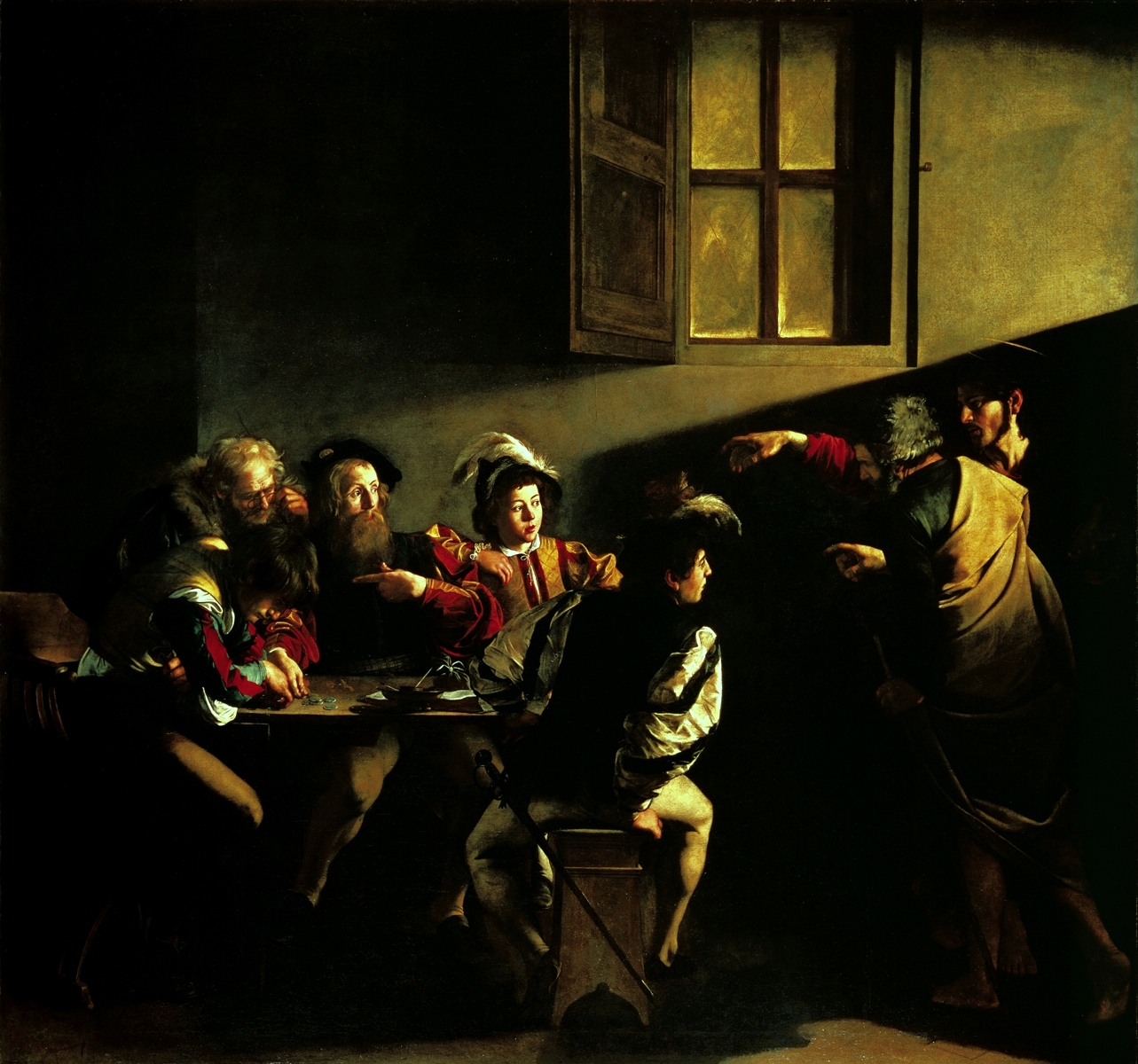
- Caravaggio: Calling of St. Matthew
My personal all-time favorite for its quiet illustration of the Incarnation, the role of God the Father and the Church in vocations, and the response of the imperfect one called.
- Bakhuizen: Christ in the Storm on the Sea of Galiliee
Great technique in an action scene that isn't overtly religious. (Subliminal messaging is real, so why not use it to make people better?)
- Murillo: Ascent to Calvary
Picked for a beautiful and non-bloody illustration of the suffering of our Lord and the role of our Lady.
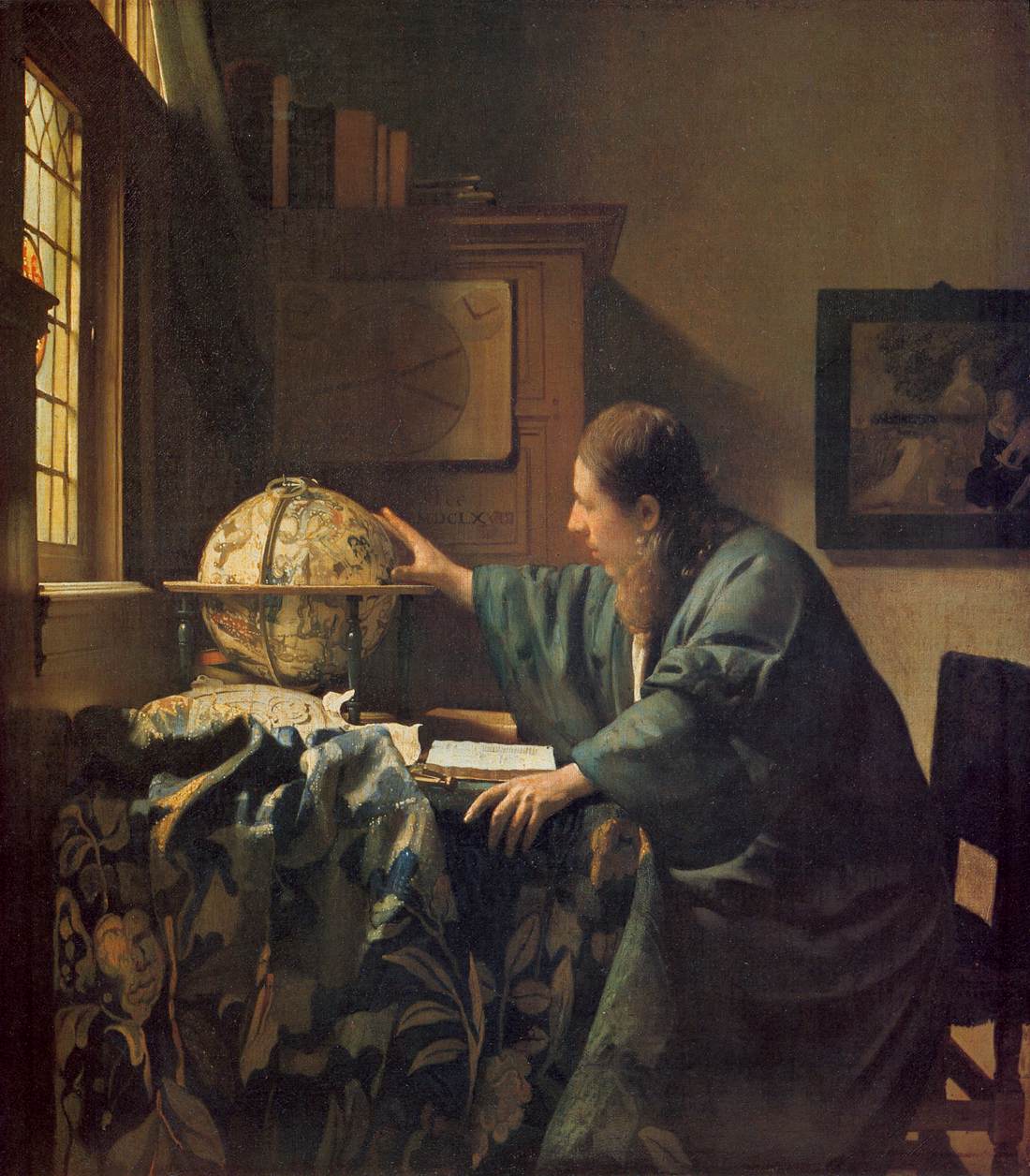
- Vermeer: The Geographer (nice when paired with The Astronomer)
For households with young men (see below for the equivalent set of Vermeers for young women), or for anyone ready to think about heaven and earth.
- Zurbaran: St. Francis
Picked for its depiction of prayer--not a boring activity, nor a human one.
- Wright of Derby: A Philosopher Giving a Lecture on the Orrery
Chosen for visual interest and juxtaposition of father figures and children, who are included in adult activities.
- Holbein: Sir Thomas More
Patron of good fathers and families. Enough said!
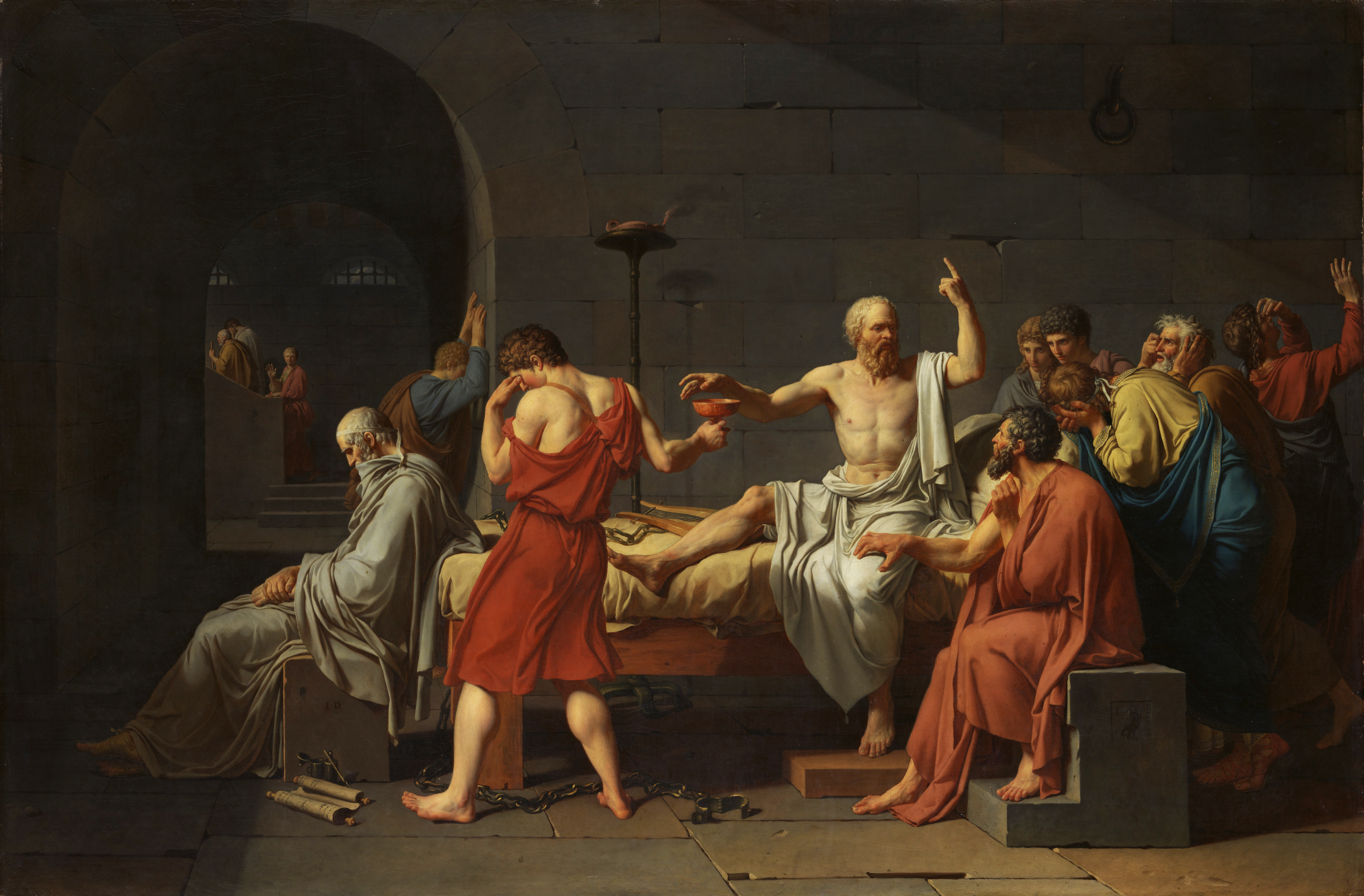
- David: Death of Socrates
Added for an injection of solid philosophy and natural virtue.
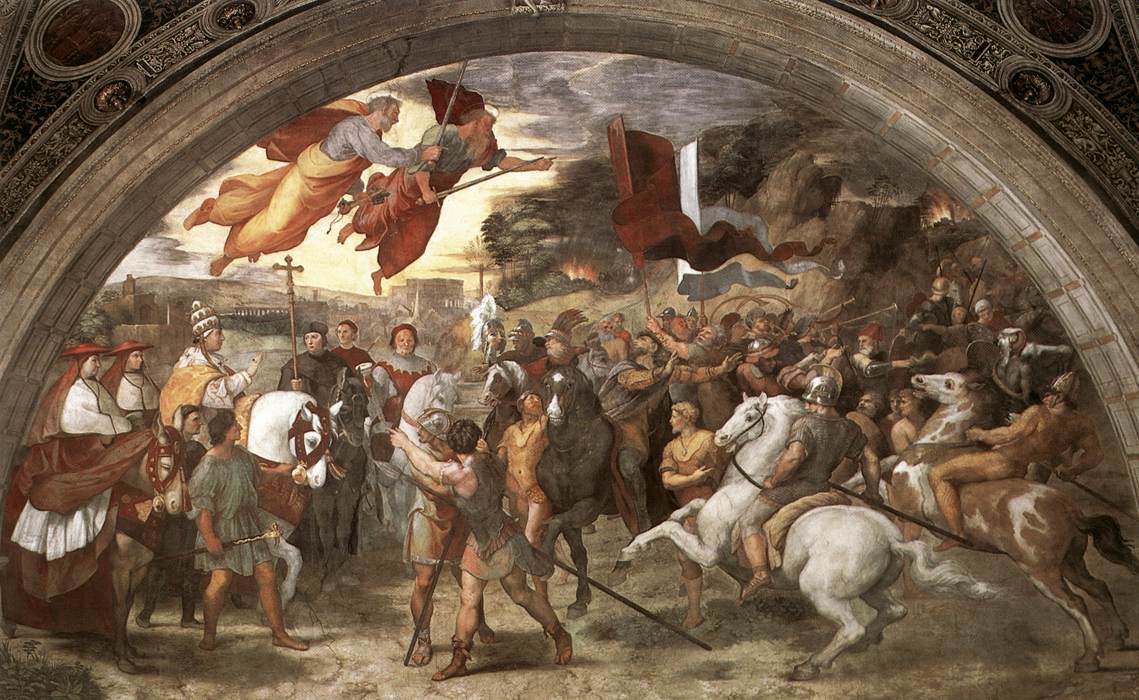
- Raphael: The Meeting between Pope Leo the Great and Attila the Hun
Added for its ability to portray a brilliant piece of Western history (and an illustration of the role of the Church) with a lot of visual interest. Not an obviously religious piece, so great for public rooms.
Runners-up:
- Vermeer: Woman with a Water Jug OR Milkmaid
Here's the young ladies' equivalent of the astronomer and the geographer. Vermeer's work with light and transparency, combined with his equally beautiful depiction of women of different personalities and realistic weights (i.e. body mass indices) can be helpful to young girls.
- Brueghel: Numbering at Bethlehem
Another visually interesting scene also remarkable for a different style from the others; it's half Where's Waldo and half religious art--another perfect choice for your family room, especially at Christmas.
- Wright of Derby: Milton's Comus
A more muted set of colors and a more mythical theme makes this one set apart and useful in an older child's room or a guestroom.
- El Greco: The Adoration of the Name of Jesus
Couldn't not have an El Greco: the challenge he poses to prissy Romanticism fanatics is important in teaching members of a family that what they like isn't all that's good. Regardless of whether you choose El Greco or Picasso to make this point, it's a good one to make.
- Zurbaran: Still Life with Lemons, Oranges, and a Rose
Chosen for its subtle ability to represent Mary in a still life (teaching the power of art as it does so).