It's interesting to reflect on the episode, because I realize my brain has already begun the transformation into a doctor's brain. My thoughts weren't: dang, I'm missing class...what could this be...I have to drive and pay a copay.... Instead they were:
Subjective:
- ** y/o female presenting with R hip pain
- Attributes of pain:
- Onset: this morning; had some slight pain yesterday in the same area, but was not concerned
- Duration: lasts less than a second as she moves her leg
- Timing: during flexion of R leg
- Location: "in the joint"
- Quality: dull "but powerful"
- Severity: 8-9 early this morning, 5-7 now
- Modifiers: better when standing; constant soreness when sitting
- Pain does not radiate
- Stretched yesterday
- Has experienced similar, minor episodes w/in past year
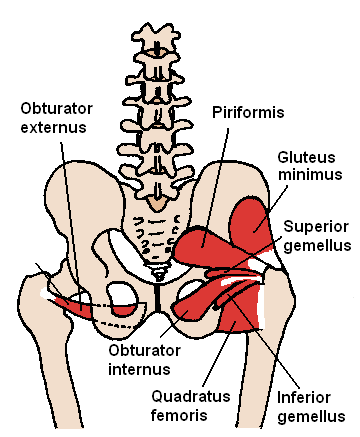
- Pelvis is posteriorly tilted during gait; patient doesn't know when pain is worst during motion
- Minor scoliosis
- Ddx: muscle strain, hemorrhage, erosion, malignancy
(I don't know if all those are even possible...but since I don't have much education all I can use is my imagination!!)
Without looking at me, she went through an H&P as she sat in front of the EHR on her computer. It was more like an interrogation. (Like when you donate blood and they read off the questions at a mile a minute! "Between 1980 through 1996, did you spend time in the United Kingdom that adds up to six months or more? Have you ever had yellow jaundice, liver disease, viral hepatitis, or a positive test for hepatitis?") After a few questions, I just started to shake my head continuously as she kept rattling off questions. I was sort of upset at this point. It hurt to walk here, I wanted to say. I had to park far away because it is so hard to park on campus. I walked here, and no one asked me anything about my pain except where it was.
But then, I had to answer, "oh, yes," to a question. And she said rather loudly with obvious exasperation, "ah ****, that changes everything! Since when [have you had that]?"
That was the last straw. I burst out in tears. She began to worry and passed me a tissue and wanted me to tell her that it wasn't her fault that I was crying. I explained that I had an exam coming up and that the stress often gets to me (which probably contributed).
But I was seriously hurt! So, the thesis of today's rant: doctors, listen to patients. Listen.
A doctor's clinical acuity increases with listening. Someday, I want to become my patients' ally in a fight against their sickness. To treat a person I must (1) know them and have their trust, and (2) grasp their disease two hands: their experience, and my medical knowledge. To become this united with the patient, I must listen desperately.
But is this possible? In my experience last week there was a chasm between the doctor and the patient: the doctor’s mind quickly identified my condition, ruling in or ruling out items on an expertly narrow differential, but I, the patient, was new to the symptoms, frightened, in need of a little attention.
This level of devotion to the diagnosis may be impossible for a doctor bound by the current system of 10- or 15-minute visits. Nevertheless, this level of investment in each patient encounter stands to enhance diagnosis, compliance, and the success of treatment. I consider such investment a mandatory part of my future.
And the hip? It's better already; I guess she was right.

