Sunday, February 17, 2013

Several people recently have pointed out that these posts don't really reflect my daily schedule. This is true; I lean heavily toward clinical experience. So here's an update

6:00am: wake up, chart, meditation, and Morning Prayer
7:00am: cook breakfast and eat
As soon as possible thereafter (e.g. 7:30): begin studying by watching lectures or doing STEP questions. I attend lecture only when there's a mandatory activity at school in the afternoon, when there is a CMA meeting, or when there's a reproductive sciences lecture. STEP-wise, each day I must read through a certain number of pages of the review book, do at least 25 practice questions (and review the right/wrong answers with the review book), and review one microorganism and one drug (and make a flashcard for each).
11:00am: exercise, if I'm not at school
12:00pm: Midday prayer and lunch. Studying often goes through lunch, but I also take breaks by reading the news (i.e. New Advent) on my phone while eating.
1:00pm: Studying starts again, and goes until 4:45pm, when I leave for...
5:10pm: Evening Prayer at St. Mary's, followed by Mass
7:00pm: home for dinner, followed by (guess what!) more studying.
9:00pm: take a break for reading the day's Catechism, the readings for the next day, and other spiritual reading.
9:30pm: back to studying, until
9:50pm: Night Prayer, and
10:00pm (that's the goal, anyway): bed.

I feel worn out by this regimen. I can't wait for STEP to be over, or at least for classes to be over, that way I'm not double-booked. I normally have about ten hours of traditional lecture per week, and one afternoon in the SIM center per week being evaluated with standardized patients. Nights at the Convent and other events related to consecrated life happen about four times per month, and CMA meets once a month for Mass and once a month at lunch. Somehow, even though I've bowed out of 1flesh writing and leadership, CMA's presidency and MedSFL's major responsibilities, I still feel spent.

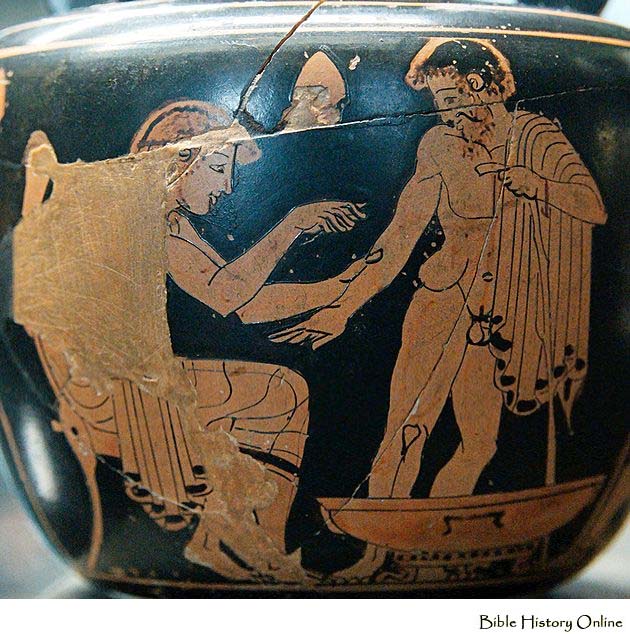
Saturday, February 16, 2013

We Should Stop Taking the Hippocratic Oath.

No, I'm serious. That title is what I think, not what someone else thinks.

The other day a classmate and I had a long talk about the Hippocratic Oath (read it here). She is a pro-choice relativist, but she will take the Oath because she maintains that paragraphs like
...I will neither give a deadly drug to anybody if asked for it, nor will I make a suggestion to this effect. Similarly I will not give to a woman an abortive remedy. In purity and holiness I will guard my life and my art.

I will not use the knife, not even on sufferers from stone, but will withdraw in favor of such men as are engaged in this work...
are clinical vignettes meant to illustrate general principles like nonmaleficence, and not to bind a doctor never to perform an abortion, give an abortifacient, or aid in suicide. This is understanding the Oath in its history context. (Meanwhile the immediately succeeding paragraphs, which state
...Whatever houses I may visit, I will come for the benefit of the sick, remaining free of all intentional injustice, of all mischief and in particular of sexual relations with both female and male persons, be they free or slaves.

What I may see or hear in the course of the treatment or even outside of the treatment in regard to the life of men, which on no account one must spread abroad, I will keep to myself holding such things shameful to be spoken about...
are literally binding.) She maintained that she understands the Oath and swears by it, while others (presumably like me) think they know what it means and take it ignorantly but pleased, bending it to their agendas. Taking the Oath is an appeasement to both sides.

The only study of the Oath I've had is Leon Kass' work and reading other Hippocratic works (his medicinal treatises). My classmates' position came out of lots of recent scholarship (i.e. 1980s, around Kass' time), and it makes up the body of the official presentation on the Oath to the first years.

My response to her was: why are you so attached to this Oath? Who cares about Hippocrates, or his culture (about which we obviously don't know everything, about which people disagree, and which you rightly point out is so different from ours)? Why shouldn't we just swear what we mean? On graduation day, you can swear what you told me you think the Oath means:
I will do no harm.
(Which isn't in the Oath anyway, it's in the Epidemics and in later European medical humanities. Stop being so Western-culturist.) Maybe you will also add some of the other things you told me:
I will never allow my personal beliefs to get in the way of what a patient wants. I will never indoctrinate anyone. I give them all the information and options and allow them to make a free choice, for the contrary is absolutely abominable (although good is relative).
You can swear that. I will swear this:
To God and all men, I profess that I will fulfill according to my ability and judgment this oath and this covenant:
I will improve or palliate the condition of the sick, treating each as a whole human person for their benefit [because beneficence is primary] according to my ability and judgment. I will do no intentional harm [because non-maleficence is secondary].

I will actually not give a deadly drug to anyone, nor will I make a suggestion to this effect. Similarly I will actually not give to a sexually active woman an abortifacient (including hormonal birth control, IUDs, emergency contraception, or RU-486) or perform an abortion on a pregnant mother. Further I will actually not prescribe any contraceptive.

In purity and holiness I will live and practice. I will not exceed my competence. Wherever I work, I will work for the benefit of the sick, remaining free of all intentional injustice. What I may see or hear about the lives of patients I will keep to myself, unless there is danger to the patient or to others or unless summoned by sufficient legal authority. I will honor my teachers and those with whom I work, and will treat the poor with special charity.

If I fulfill this oath and do not violate it, may it be granted to me to use life and this art unto my salvation and the salvation of others. If I transgress it and swear falsely, may You, O Lord, and my fellow men have mercy on me and forgive me.
I'm obviously not married to the Hippocratic Oath. It's fine, but it really doesn't capture everything. It was perpetuated for so long (through the Middle Ages) in Catholic cultures and their offshoots (including Islamic and Protestant cultures) because it was a very close approximation of Catholic teaching. Perfect? No! Misused after the Reformation in Germany? Yes!

The relativists are bending over to interpret it, the Christian doesn't think the literal interpretation is immaculate either...so who cares about Hippocrates? It's better that we be frank and say what we mean.