Showing posts with label abortion. Show all posts

Monday, June 8, 2020

Quick Takes

We're still in pandemic times, so here are some quick but fiery opinions.

#1

Whatever you think of external fetal monitoring, the fetal heart rate strips remind me a little of Adoration. The fetuses have be watched constantly, and the culture of OB/GYN labor and delivery teams is to want someone to watch them. If we're going down to get snacks, we think about who is watching while some of us go. If we get distracted by something, we look up and make sure what we just missed looked okay. If the system breaks down and we can't see the strips the way we usually do, we find a way around this to watch the strips. In Adoration, you can't leave the Blessed Sacrament alone. He is vulnerable. You may not be able to see him as usual sometimes, or you may have to leave, but you're solicitous about Him never being alone. When you get distracted from Him, you check right back in.

#2

I recently heard an argument that it is more merciful to do a KCl termination followed by an induction of a dead fetus, rather than to deliver a live fetus and have it painfully gasping for air. "I couldn't bear watching my baby gasp for air," the argument goes. While I empathize with that emotional response, a KCL termination is different in the objective nature of the act--it directly takes the life of the unborn, and we don't know if it's painful or not. A gentle induction which doesn't take that life directly can be followed by perinatal palliative care. Just like for an actively dying adult patient, morphine can be given for air hunger. Even so, it is not clear if extremely preterm babies feel this, but they can feel pain and much of their skin is not keratinized. (The air hunger question is particularly important because that's the emotional hinge of the argument, but fetuses under OB/GYNs' management are constantly experiencing difficulties with acid-base balance and we don't consider this painful.)

#3

Dear Editor,
NaPro technology is a little bit primitive and behind the evidence-based-medicine times. And it sort of likes that. But it's not really ready for prime time in medicine right now, so let's stop pretending that it is. Instead, why don't we work on getting it there?
Sincerely, a Catholic OB/GYN

#4

I took care of a lesbian patient who was overjoyed to tell me about her coming out. I told her I was glad for every step she took closer to real love. This story happened before the blog issues related to LGBT posts. I'm still angry about this misjudgment of me sometimes. (But forgiveness sometimes doesn't take away all the emotions connected to an experience. So I suppose that's okay.)

Wednesday, November 30, 2016

Elevator Speeches

Here are my quickie explanations for some of my countercultural choices. If someone really wants to know what I think, I tell them without holding back, in a way I think they'll understand.

Not prescribing contraceptives
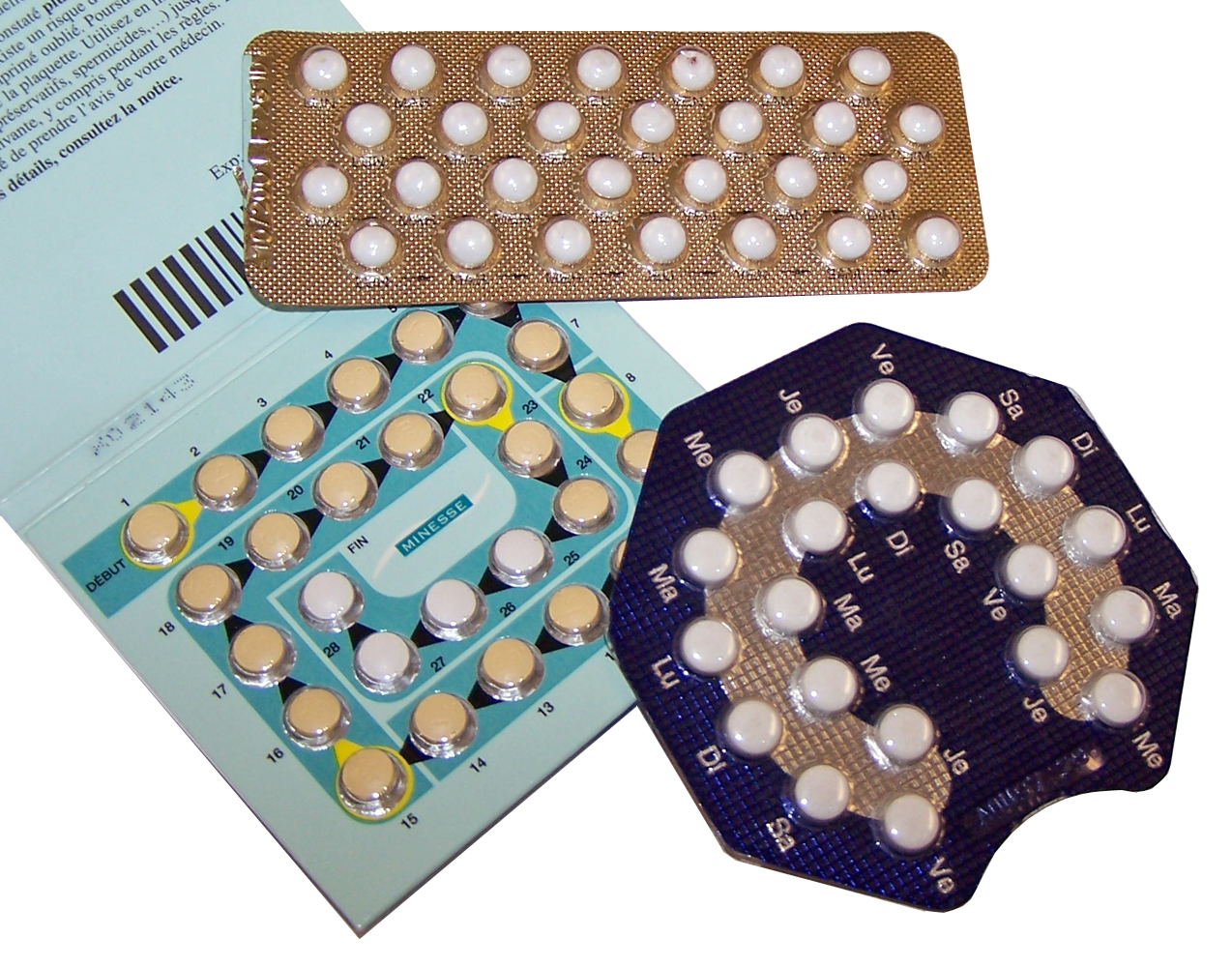
Credit: euthman
I counsel about everything, but there is enough cell biology to make me think human organisms form at sperm-egg fusion that I don't like the post-fertilization effects of hormonal contraceptives. Barriers are harder to find a problem with, to be honest, but sex at its best is a total gift of one person to another, and barriers block some of that gift. I know it's not a perfect world, but (not to be crass) I want everyone to have sex at its best and I think not having that has bigger ripple effects than we think.

Opposing abortion
There are a lot of people personally affected by abortion, and I don't know where you stand. I can't pretend I understand any particular person's story but I can at least speak to the science that I tried to delve into. There is enough cell biology to make me think human organisms form at sperm-egg fusion, but that's the easy part. If we think there's an organism with human DNA formed at fertilization, the hard question is, when do we protect it like we protect the mom? When we're potentially talking about--ending of millions of protectable human life--I say we should be cautious. 

Offering NFP
I really think women should learn about all their options, and the quality of the evidence that supports each of them. There are fabulous numbers attached to several fertility awareness-based methods, but we need to acknowledge that these studies haven't passed through the rigors of statistical significance, peer review, and FDA approval.

Being a Christian
I believe there is a truth, something objective that exists and that is right and wrong. If you think that, you realize that truth has staying power, which is why fads and memes slip away so fast. One of the things with the greatest staying power is a two thousand year old story of a man who reportedly rose from the dead to save sinners. I'm a sinner, and I thought that staying power was something worth looking into. The rest can't fit into an elevator speech.

Being a Catholic
History leads to Catholicism. You can tell that men writing in the early decades and centuries A.D. were very identifiably Catholic. The reason why I'm Catholic isn't because I love the customs, the people in the hierarchy, or the feelings I get. It's because I love Christ and I see that this is the Church He founded.

Being a consecrated virgin
The Jewish idea of the people of God as the bride of God really flowered within the Catholic faith, and in the early centuries there were women married permanently to God. That rite is used today, and it's a beautiful life.


This post was a draft for a long time, because it takes me a lot of introspection and lived experience to encapsulate things that are this controversial and this important to me. Hope this is helpful!

Monday, March 21, 2016

Behold the Wood of the Cross

This post conforms to the blog rules.It's now time to tell another story I was afraid to tell for a long time.

Although I was loud in college about ethics, I became a coward by the time my second year of medical school was half over. I never explained it on the blog. I let it seem spontaneous. But in reality, it had a clear beginning, during our Reproductive Sciences block.

I was trying to start a pro-life group. I was blogging about ethics. I was going into tidy journalistic fury over the shock (shock!) of being taught to abort. I was standing outside of clinics. I was glad that I had a good upbringing and a sound education. It made me strong in the culture war, and I was loving the fight!

A few months into my second year, I began to discover that the fight wasn't straightforward. One of the pro-life M1s I was hoping to groom for the new head of the pro-life group didn't want to lead because she'd had an abortion. She didn't think the group was going about things "the right way" (whatever that meant). The conversation was awkward--I remember that neither of us stood, and that there was another M1 there (moral support for the M1 I'd asked?) standing as well, silently watching us. I stammered an "all right, I'd love whatever help you can give me." I ended up not seeing her much after that, and I moved on in the semester.

Later that year, I saw on the schedule that we had a lecture on "Abortion: Spontaneous, Missed, Threatened, Therapeutic." I steeled myself that morning and tucked my little plastic fetal model into my pocket. I look back on that morning and see it as a little theatrical, but at the time it was genuine. I felt like I was headed into the mouth of the beast, where impressionable, vaguely liberal college grads were taught that abortion was part of medicine.

Credit: prieststuff
I sat in my usual spot. One of the other Catholic students sat next to me. The lecturer began to talk about elective abortion. I fingered my fetal model and felt powerless. All my classmates were hearing this as if it were just another way to manage just another condition.

On a whim, I pulled out the model and passed it to the Catholic sitting next to me. She looked at it for a long several seconds, then made as if to hand it back to me. "No, pass it that way," I said. She looked as if she didn't know what to do, then reached across the few empty seats between herself and the next person. I signaled to that person to keep passing it.

I didn't get it back at the end of the class. I'd watched it travel around the room for a few minutes, but then I'd gone back to listening about threatened AB.

It was several weeks later (I'd completely forgotten about the entire thing) when I received a concise email from one of the School of Medicine's administrators--the lawyer who gave us a lecture on how we could get kicked out for unprofessional behavior. She asked if I had time to meet with her and the dean that week.

My blood pressure spiked at first, but I reassured myself: I'm a good student, I haven't done anything wrong. Perhaps she wants to ask me about someone else? I gave her a time and showed up to the meeting. It was Holy Thursday.

The instant that I walked into the room and saw her face, I knew that I was the one in trouble. Her expression was stony, her voice was clipped. The dean sat in a chair by her desk, only marginally less terrifying.

I don't remember all the exact words. She asked me whether I passed around a model of a fetus during the lecture. I said yes, I had. She told me that not only was that disruptive in the classroom, but it had upset several of my peers and that one or two had come to her crying about it. I instantly regretted so thoughtlessly picking my pro-life trinket out of my pocket and passing it around during class! I already learned that there were post-abortive women around me! Why hadn't I thought of them? What a painful thing I had done! I'd been warned that I was going about things the wrong way and I hadn't done anything about it!

Credit: timmatkin
From the shame of being in a disciplinary position on top of the distress I felt at what I'd done to my peers, I started to cry. "It hurts me," I stuttered, "to think that I caused someone pain." I offered to apologize in some anonymous way to the girls I'd hurt. I was declined. I spent a miserable rest of the day.

The next day, I attended the Good Friday service. Christ on the cross looked as miserable as I felt. "And as miserable as I made those girls," I muttered. I felt like Pilate, more than I ever had in the dozens of times I've said "His blood be upon us and upon our children" and "Crucify Him" on Palm Sunday.

That day I had a small change of heart. I realized that everything I lacked (poise, foresight, compassion, circumspection, thoughtfulness, and a sense that I was on the right side of things) I truly lacked. I wasn't just feeling a temporary loss of those virtues: I never had them to begin with. So I asked Christ for all his virtues, to replace all my disasters. It was a beautiful Good Friday, one I will never forget. Even now at Mass, when I go to communion, I often think of that Good Friday and ask Christ to give me everything of His soul, including all his virtues.

But this episode had one very unfortunate effect: it made me afraid. It was not until the beginning of my fourth year that I began to uncase myself from that cold fear that I would once again hurt someone or bring on the shame of that terrible disciplinary meeting. I realize now why I was so afraid. I stopped short in accepting something of Christ's cross: His courage.

Now I behold the wood of the cross and recall my misery. I know that I have made lots of scandalous mistakes that have caused a great deal of pain. So I ask Christ to replace my viciousness with His perfections. And even though I'm a liability to His glory, He asks that I fight for him, and gives me His courage.

Now, as a resident that fearlessly but happily refuses to prescribe, I am a warrior. But the strength I fight by is not mine. So behold, the wood of the Cross, on which our Savior poured out all His virtues for us and provided an almost-irrational courage for us, even though we're such disasters.


P.S.: It was recently pointed out to me that if a person is so fragile as to cry at the sight of a fetal model, he or she is in need of some serious healing, and that confronting that person with the truth may have had a good effect. While I agree, it's still not the best way to show someone the truth. And even if the "disruptive" thing wasn't true (because the lecture was teleconferenced from forty miles away), I still think I acted carelessly and hurt someone. May God bring some good out of it! Please pray for the people that I hurt that day, because I'm sure their souls are deeply wounded from whatever in their past made them so upset at the sight of my little plastic fetus.

P.P.S.: By the way, one of the first things I stuck in my new resident coat was a new and improved fetal model. I showed it to probably sixty people in my first month of residency. I did it calmly and gently, after considering whether it was the right way to show the truth or not. And I haven't regretted it yet.

Monday, July 13, 2015

OB/GYN Ethics 101

Let's be practical: what can a Catholic medical student on his OB/GYN rotation do? What about a Catholic resident working in OB/GYN settings (including family and medicine residents)?

The Do's


Be confident. You have the truth, which is not only a set of beliefs, but a Person who is pleased that you want to do the right thing, and will protect you.

Answer test questions as if you toed the party line on contraception, sterilization, and abortion. We can "prescribe" on paper.

Prepare an elevator speech so that whenever you must state your choices, you can do it smoothly and briefly.

(For residents) Tell your program director.

(For medical students) Do not tell any higher-ups unless you know they will be receptive. Tell clinic attendings at the beginning of any day (the evening before if possible) when there is an objectionable procedure scheduled; tell surgical attendings before the first sterilization you do with them.

Be an awesome person and a hard worker. We must "be perfect," to challenge those who think we're bizarre.

Find as much in common as possible. For instance, be loud proponents of "teens shouldn't get pregnant" and "STDs are terrible," and "no, condoms aren't enough!"

Counsel patients on family planning. To counsel is to present the dosing, routes, side effects, and mechanisms of action of available options. Counsel patients as frequently as possible, because only our counseling is truly presenting the whole truth about all three mechanisms of action (MOAs) of hormonal contraceptives (including thinning the endometrium which may lead to post-fertilization pregnancy loss, per the package inserts) and the existence and benefits of NFP or fertility awareness.

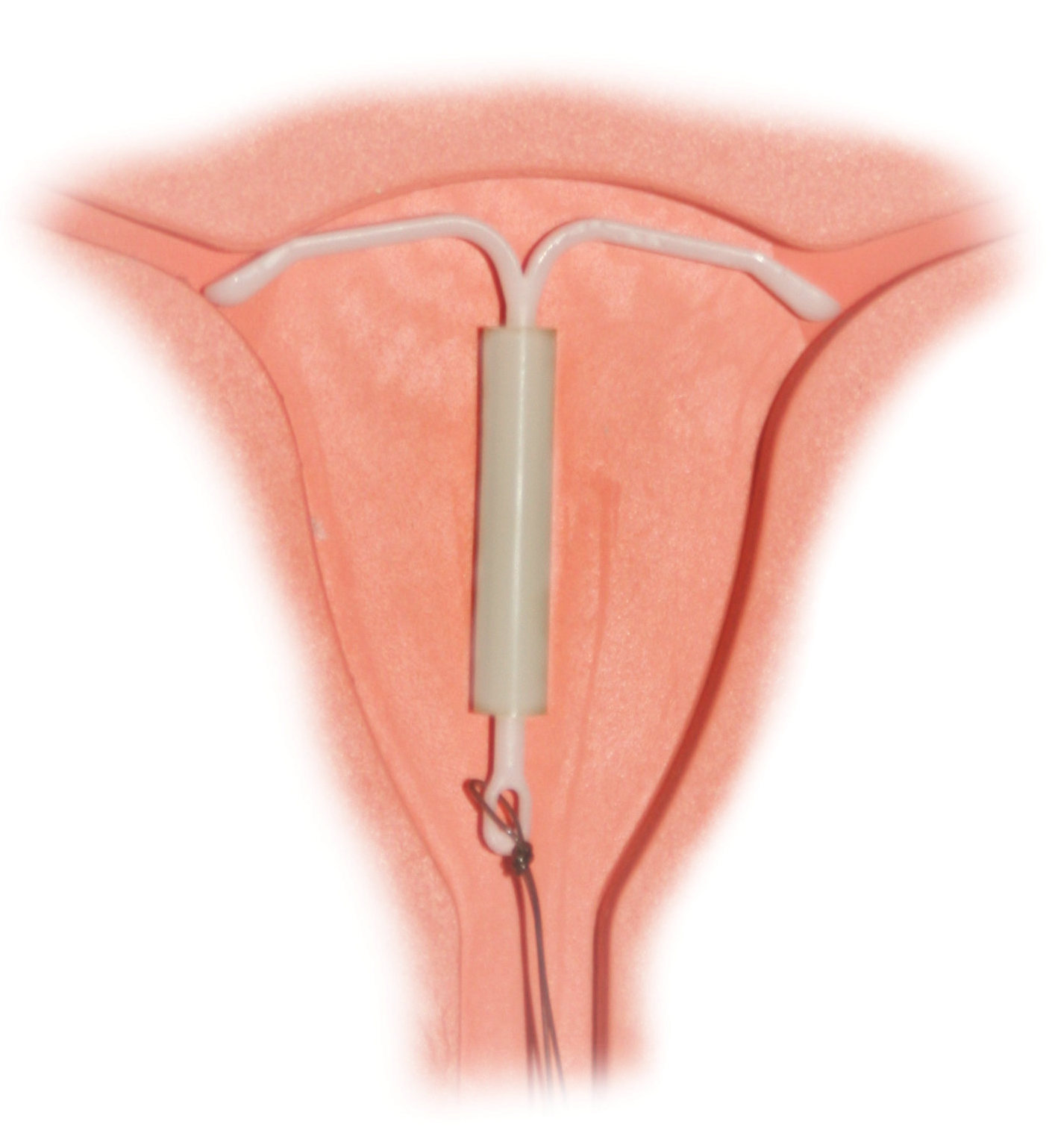
Happily volunteer to take out IUDs and nexplanons.

(For medical students and interns) You may observe one or two insertions of IUDs, nexplanons and Essure. Your participation is remote, it improves your counseling (i.e. you won't remember to mention ibuprofen premedication before IUD insertion if you don't realize quite how much cramping can occur), and you can pray for the patient and physician more vehemently. Students, it's best to speak with your preceptor beforehand, as soon as you see an IUD/nexplanon/Essure insertion on the schedule. If somehow that doesn't happen and you're offered the chance to do the procedure, just say, "I'm not comfortable." (Residents, your PD should already know.) But (students) if they press you (and residents, if this attending didn't get the memo), say confidently: "Thanks for the chance! But I'm choosing not to prescribe contraceptives."

You can participate in endometrial ablations. These are usually done for gynecological pathology (e.g. excessive menstruation) and are not a form of sterilization; however, they do have a sterilizing effect. If everyone's intentions are correct, the principle of double effect at work. Because we cannot see into other souls, we can pray for the best and operate as if the principle applies. (If the patient makes it clear that she wants the sterilizing effect, it's your duty to tell her that this procedure does not sterilize and you cannot guarantee that.)

You can participate in hysterectomies. Everything that applies to ablations applies also to it. Our bodily integrity is important, but this procedure is sometimes necessary for patients who fail conservative management (i.e. ibuprofen, lysteda, napro).

You can scrub into C-sections during which they plan to do a tubal ligation (BTL). You can assist with the section, but do not do anything during the BTL. To protect yourself from acting during the BTL, speak with your attending or chief resident (whoever the highest person in the room will be) beforehand.

(For medical students) Some attendings will not let you scrub because you're refusing to participate in the BTL. This is unjust, but take it gracefully and ask if you can observe. If they say no, go peacefully back to the floor or L&D.

(For residents and sub-interns) You can scrub into a BTL to practice laparoscopic access techniques. Make it clear to your attending that you will not be participating in the ligation, but are grateful for the opportunity to learn from their experience in entering and closing the abdomen safely.

You can participate in dilation and curretage (D&C) when done for missed abortion (miscarriage). There is no moral quandary here, if fetal death has been verified by lost heart tones, absent cardiac motion, negative hCG, obvious ultrasound findings (e.g. separation suggesting the decay of remains), or obvious history (e.g. three days of heavy bleeding with fetal parts). Always say to the mother and father of the child, "I'm sorry for your loss." Not only is this what they feel, but it builds up the identity of the unborn child as a person.

Obviously, you can participate in D&C for non-obstetric indications or retained placenta.

(Not usually for students) You can induce labor for missed abortion. If the loss is verified as above, console the patient and father and help with cervical ripening and augmentation.

Counsel on elective abortion (EAB). You must know at what gestational age different procedures (RU486 (mifepristone), D&C, and dilation and extraction (D&E)) can be done. You must be able to describe these techniques to women gently but without euphemism. You must also know the rates of post-traumatic stress symptoms and PTSD among abortion victims, the rates of live birth following abortions, and (if you're a gunner) laws in your state about waiting period, parental notification/consent, ultrasound, and upper gestational age limit.

Care for EAB patients before and after their abortions. This includes preop and postop care in the hospital, and follow-up visits in clinic. Ask about how the patient is handling the loss. Be ready to offer local post-abortive healing information (i.e. carry the cards with you in your pocket), but don't push it.

You can participate in training activities for D&C and LARC/Essure insertions. A D&C is a legitimate operation for indications like excessive bleeding and missed abortion, and scooping out a papaya to learn how to do it is not a big deal. Mirena can help nonsexually active patients who fail other pharmacological therapies. Pick your battles and don't fuss about this. Use it as a chance to observe to your peers sitting next to you about how weird it is that you'd do a D&C when there's still a heartbeat, or how there's gotta be some way to plan pregnancy without sticking a 16 gauge needle in someone's arm (nexplanon).

Counsel on perinatal hospice. Perinatal hospice should be offered to any patient with a fetal anomaly that is "incompatible with life." This is a period of parenting the unborn child and mourning the loss of the baby the parents hoped for. It also involves services like Now I Lay me Down to Sleep (a no-charge project). Students and residents have a particular power in suggesting perinatal hospice (which is uncommon at most centers that offer termination for lethal anomalies) because we go in before the attending and can make suggestions that the attending would not.

(For residents) You can consent patients for BTLs and IUD/nexplanon insertions. To consent (like to counsel) is to offer a full picture of risks, benefits, and alternatives. We are the ideal people to consent for BTLs, nexplanon insertions, and IUD insertions, because we can stress that these things affect something valuable (fertility and integrity of lovemaking), and we can emphasize the permanence of sterilizations, and the fact that many regret their procedures. If you help a patient opt into a less permanent form of birth control, you've helped! It's painful to consent and counsel when people make the wrong decision. But we can only offer the truth (the whole truth), and allow our patients and our superiors to make their own decisions.
Wikimedia. The contributor writes:
"This is an image of my child, he died
and this is how I remember him."
You may visit and learn in IVF clinics. REIs are very intelligent and know a lot about physiology. If you are taken on a tour and see freezers and incubators, use it as an opportunity to pray for the little souls trapped there, and the adults who are trapped in confusion.

Pray every day. 30 minutes of mental prayer keeps you moving towards sanctity. (St. Theresa said that if we meditate, we will either become saints or stop meditating.) If I'm an OB intern and I can do it, so can you.

Talk it out with a friend. If the attendings are making you feel unwelcome, if you're stressed, if the culture is asphyxiating...get it off your chest! Get coffee with a friend and vent! If you don't have anyone sympathetic, email me. (That address is permanent, so even if you're reading this ten years after I wrote the post, I'll get it.)

Contact Alliance Defending Freedom if you're truly discriminated against. 

Be patient with yourself. You can't solve all the patients' problems or correct all your own inabilities all at once! Christ has the power to make up for your defects. Ask Him to do so, go to confession, and move forward in peace.

The Don'ts


Don't make assumptions about sinners' intentions. (This includes patients, peers, and attendings.)

Don't proselytize. Be attractive as a good student/resident, then be unafraid when people ask about NFP or the Catholic Church's ideas on contraception.

Do not advise the use of any hormonal contraceptive (e.g. mirena) in sexually active patients. Period. This is because of their post-fertilization effects.

Do not promote barrier contraceptive use as a good in itself. As Pope Emeritus Benedict wrote, condom use can be a step towards chastity, but always hold up abstinence as an ideal for the unmarried and NFP as an ideal for the married.

(For medical students) Try not attend more than two IUD insertions, more than two nexplanon insertions, and more than two essure insertions. Frame it as sharing with the other med students, or go find something helpful to do on the floor. Make something up if you can't find anything legitimate to do ("I have to go bring this down to the radiology library," "I have to fax this paperwork"), because it's important to not overexpose yourself. You don't want to dispose yourself to think these things are okay.

Do not participate in egg harvests, male masturbation, intrauterine inseminations (IUIs) and other gamete transfers, or in-vitro fertilization. Medical students should not put themselves in this situation: do not do an REI rotation at a facility that does IVF. Residents: if you must observe, make it clear to the attending that you cannot participate, even by holding the transducer.

(For residents) Do not induce labor for inevitable abortion, i.e. when fetal death has not occurred (e.g. when there are still heart tones).


This is a miscarried baby, not an EAB victim.
Never be present at an elective abortion (EAB). This is not because your participation is any different from your participation in BTLs, essures, and LARC insertions. It is because it is much more dangerous for you to be exposed to a sin of the gravity of an EAB. Two former abortionists have told me that the first one is repulsive, the second one isn't as bad, and the third one they make a pass with the curette. Never participate. Say, "I'm choosing not to participate in abortions (or "terminations" or whatever word your resident/attending just used)." Fake syncope if you must. I'm serious! Prefer disciplinary action and a bad reputation to observing an abortion.

(Mostly for medical students) Don't disrupt a patient-doctor relationship. This means that if your attending prescribes contraceptives to a long-time private patient, don't go into the room and talk about the carcinogenicity of hormones and the irresponsibility of using them. This will scare or frustrate the patient, make your attending unhappy with you, and cast a shadow on the truth about fertility awareness. This item not is on the list is because we want to be happy and comfortable. It's because a trainee has limited abilities to help people make good family planning choices; trying to break out of those limits will likely not help you become a physician, or a saint.

Don't dump any other task on others.

Don't be frustrated when people assume you're making these choices for stupid reasons. Most will assume you're choosing unfounded cultural/personal opinions over science. Take it gracefully, and remember that when you suffer it is because Christ is bringing you close to Him in His Passion.


I hope this post is helpful. I will edit it periodically to reflect new devices and laws as the need arises. I want to fill in some of the numbers and am working on finding the literature behind them so that I don't put unfounded figures in your mouth. Please leave a comment below if you've run into a situation I haven't covered.


Sunday, May 3, 2015

Stacy's Story

This post conforms to the blog rules.A patient I met and, in the wash of clerkships, left behind, left an incredible impression on me even though I barely knew her. Almost every detail about this person is altered to protect her.

"Stacy" was a middle-aged woman who became pregnant under extremely bad circumstances. Her family started to notice that she was acting strange. To their alarm, she began to tell them she saw and heard things they could not see or hear: she was hallucinating. The duress of her pregnancy had affected her so severely that she had become disconnected with reality. She went to the emergency room after suffering a psychogenic seizure, and I rounded on her her shortly thereafter.

As I flipped through her chart before going to see her, I asked the nurse what was going on.

"It's crazy," the nurse said, speaking of the situation. She gave me more and more details as I went through the records, underlining hCG values and the ER course. "And her family doesn't want to keep it," the nurse finished.

I froze. Doesn't want to keep it. They wanted an abortion.

"What does she want?" I asked.

The nurse shrugged. "She can't say, most of the time. She has these good times when she makes sense, but sometimes she babbles and acts bizarre. Sometimes she doesn't know she's pregnant when you ask her."

I continued reviewing records mechanically, and went to see the patient, wondering what I could do. The first time I spoke with Stacy was during one of her lucid times. After introducing myself and seating us in a private and comfortable place, I told her I wanted to talk with her briefly and then gently asked her, "What brought you here?"

She gazed at me innocently, almost emptily, with warm brown eyes. "I'm pregnant," she said simply.

"That's right," I said.

"I'm eight weeks," she added.

"Exactly," I said with a smile. "Do you know what that means?"

She shook her head.

"It means your baby's heart is beating," I said, "and he has all his fingers and toes."

"Oh," she said, her voice inflecting for the first time, a little flicker of a healthy mind. "Maybe I'll keep it."

Those were her exact words, and I cannot forget them. The interview went on, and I wrote my progress note and left. At rounds a few minutes later, the story became even more nightmarish as I discovered that my attending and my fellow students were all hoping that she could get an abortion. Perversely, we carefully looked up what psychiatric drugs she should most safely take in pregnancy and consulted a psychiatrist with experience in that. Even as we hoped that Stacy's embryo would be eradicated, we protected that embryo from possible adverse effects of the medicines we prescribed.


The week churned on and I moved away from Stacy's floor while other students worked on her care. I heard new of her remotely when students would talk about her, and the reports were not good: she had fewer lucid times and finally none at all despite changing her medicines. Meanwhile, her family was trying to arrange for an abortion. I stormed heaven and asked friends and family to do the same.

Stacy's case became very complex and the hospital system ethics committee met over a weekend, weeks after her admission, to decide whether she could have an abortion. Her case was described in detail at our rotation's grand rounds, where another student presented and the general feeling among my peers and professors was annoyance that the "stupid" hospital was keeping this woman from her healthcare. I felt dizzy sitting with them, as if I were in a horror movie or some barbaric country.

After that rotation ended, I texted Stacy's attending and asked about Stacy. It was then that I discovered that the first ethics committee did not approve her abortion, but she ended up having one somewhere else.

I have so many sad thoughts about this case, including things like, should I have insisted on seeing Stacy beyond my time on her ward? It wouldn't have been impossible. Should I have talked with her more about her baby? I didn't want to be coercive but I might have saved a life. Should I have at least documented her desire to keep the pregnancy? I'm sure it might have meant something to the ethics committee if it didn't to her attending and my peers. I was afraid to write it, because I worried that her flip-flopping between options would be seen as a sign of worsening psychosis (which wouldn't be good for the baby's survival or for her), and because I didn't want to be accused of disturbing her "decision."

What a hard case! Please pray for "Stacy" and her family, and her little child. She is apparently back to her normal self and out of her psychosis, but she is not finished dealing with what happened to her this year.


This post was a draft for over a year. I marked it as a "perpetual draft," one of a set of posts that will never be released to protect my career and to protect vulnerable patients. But I decided to release it after I matched, and since it has been such a long time since this occurred.

This post was a draft because I experienced a bit of resistance in my psychiatry clerkship from a pro-choice fourth year (who couldn't believe someone wouldn't do this patient's abortion) and from professors (who called me into an impromptu meeting when I asked too many questions about homosexuality and gender identity disorder). Now, I'm putting it out.

Wednesday, April 29, 2015

Dr. Rebecca Kukla on Ultrasound Laws: a Rebuttal

Recently, Dr. Rebecca Kukla visited the university with which my college of medicine is associated. Sponsored by the departments of philosophy and humanities (and probably women's studies), she lectured on mandatory ultrasound laws regulating abortion. Her thesis: even those who favor restricted access to abortion should reject these laws, since they are bad for women and bad for clinicians.

Bad for women. Dr. Kukla argues that because the first ultrasound has become a very ritualized event (indicated by the prevalence of ultrasound pictures as the baby's first picture, the anthropomorphic language of ultrasound techs, the industry of cute-to-kitchsy merchandise to display the photos) which people use to transform themselves into fathers, mothers, families, siblings, etc. To subject a woman contemplating abortion to this ritual is traumatic and may make her choice more difficult.

Bad for clinicians. Law should not govern medicine, especially about disclosing information; the attempt to do this preoperatively (while noble) has resulted in uselessly long forms that don't demonstrably benefit patient autonomy. Realistically, physicians cannot present all possible information to their patients, nor should they, since this can be unhelpful, overwhelming, and unwanted in some cases. Physicians have the right and duty to select what kind of information is most helpful to the patient; these laws make this impossible by mandating a one-size-fits-all approach.

But it's actually Dr. Kukla's position which is bad for women and their healthcare providers.

Bad for women. I encourage us to look to the reason rituals develop. The first ultrasound has become ritualized because of the power of ultrasound to reveal what the fetus is--it allows us to sense the body and movement that we couldn't see or feel before. An ultrasound reveals a reality that already exists: an autonomous, immature organism of the human species. I agree that parents use it as an announcement tool, but they're not being transformed in any true way. Instead, they're seeing the cause of that transformation for the first time.

This part of the rebuttal relies on a premise that Dr. Kukla would probably reject--the premise that pregnancy = motherhood, that embryo/fetus = child. But even without this premise, I still have something to say, because another fundamental error in this argument is consequentialism.

To subject a woman contemplating abortion to revelation about her condition will inform her choice. I agree that this may be traumatic for her, and make her choice more difficult. But we should not base our decisions on the emotional consequences they incur; we should make decisions based on whether they are right or wrong. We don't avoid invasive procedures, chemotherapy, or psychotherapy because they are painful. We give family members of ICU patients all information about very dismal prognoses, even though that may make their decision to continue or withdraw treatment difficult. Information does not endanger freedom, although it may endanger the likelihood of someone choosing a particular option (such as to abort).

Dr. Kukla or others rightly point out that post-abortive women who are conflicted or wavering about her decision to abort have more symptoms of PTSD. They argue that we should not do anything to cause ambivalence, because this could contribute to a higher incidence of PTSD. I would repeat that we cannot make decisions (such as to perform ultrasound or not) based solely on their consequences. Instead, we should be open about risk of mental health problems and the risk factors that increase them. So, we should counsel patients about the importance of confidence in her decision, to promote her mental health. If she cannot be confident at the time of the clinical encounter, I would encourage her to take some time to consider her choice, and schedule a follow-up visit with her. This ensures that I am truly serving the patient to make the choice she can be comfortable with, not rush into the choice I want her to make.                              

Bad for clinicians. I agree that law should not govern medical practice. Medicine should govern medical practice. Protocols for ultrasound before abortion should come as "standard of care" recommendations from a professional organization, not as a regulation from lawmakers. This stems from the duty of physicians and healthcare providers to provide best practice for their patients.

But one of the duties of lawmakers is to protect citizens from injustice. When "injustice" and "failure in best practice" coincide, lawmakers must be act when physicians do not.

This argument depends on premises that Dr. Kukla would not accept, premises such as the gravity of abortion for a woman and a fetus. Without acknowledgement of the gravity of abortion, it is difficult to argue that "failure in best practice" is occurring in abortion without ultrasound. It is almost impossible to see how "injustice" applies at all.

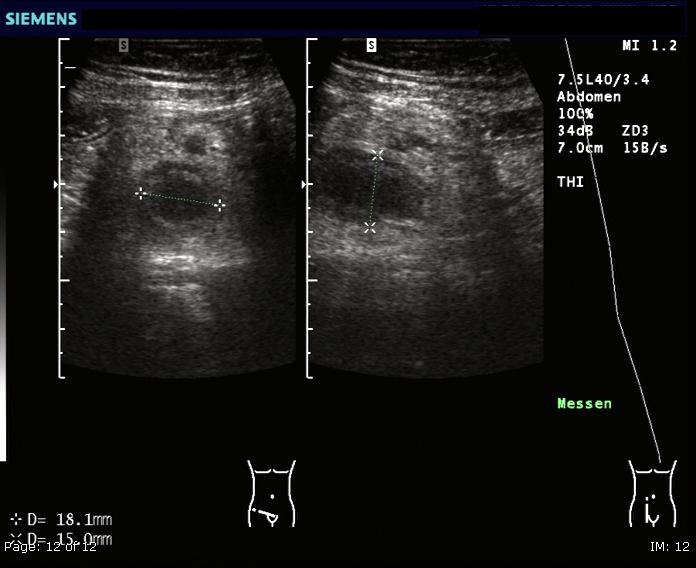
An enormous inflamed appendix. (Want to see a gallbladder?)
So what would I say to Dr. Kukla? I did raise my hand and speak. I said nothing about being pro-life, nothing about fetuses. I also didn't start an argument about what ultrasounds are. I didn't get to finish, but here's what I wish I could've said, in full:

"I wish this policy had come from ACOG. The practice itself makes sense, because it makes terminations like other minor surgical procedures--you know, for gallbladders and appendices. They do ultrasounds for those, and good docs go over scans with their patients before elective surgeries."

Friday, February 27, 2015

How Many Women Need to Take Birth Control for Medical Reasons?

I frequently hear that many women (1.5 million in 2011, according to Guttmacher) use birth control pills exclusively for medical reasons, and that 58% of pill users use the pill for contraceptive and medical purposes. This distribution is similar for other types of hormonal contraceptives, especially the progestin IUD. This leads me and most to ask whether birth control in these settings is acceptable. Tl;dr? Read bold.

Some don't know that section 15 of Humana Vitae reads:
On the other hand, the Church does not consider at all illicit the use of those therapeutic means necessary to cure bodily diseases, even if a foreseeable impediment to procreation should result there from—provided such impediment is not directly intended for any motive whatsoever.
And some don't realize that this doesn't answer the question.

Pope Paul VI wrote HV before the post-fertilization effects of the pill were well known, before the controversy over its side-effects, before four decades of gynecological advancement, and before lower-dose pills (in early trials, pills contained the estrogen of three high-dose pills on todays market, and the progestin of ten Plan B One-steps). We can still apply his intention, but we need to ask the question again: should we use the pills currently available as we currently do?

First of all, let's cover some basics.
  • What is a "medical purpose?"
  • What is "treatment?" What is "cure?"
  • What medical purposes are usually included in this discussion?
"Medical purpose" is a vague phrase. Merriam-Webster defines medical as "relating to the treatment of diseases and injuries," and purpose as the intention (the reason and hoped-for end point) of an action. Taking an action for a "medical purpose" must have treatment of disease as its intention.

What is treatment? In an editorial of precisely that title, a pediatrician named John Knowles wrote the American Academy of Pediatrics, just around the time that Pope Paul VI was writing HV. The piece is pithy and relevant:
[A]n increasing number of physicians are equating good treatment practices solely with specific drug therapy. This is recognizable most often in the use of the word treatment as synonymous with antibiotic. "No, I'm not 'treating' him" too often means "No, I'm not giving him any antibiotic." ...[The] personal bias of the physician [impacts] his philosophy and policies in respect to the treatment of his patients [but] let us not confuse the patient or ourselves by equation of a specific modality of therapy in which we happen to have transient faith with the total treatment rendered by careful analysis and responsible advice. [Physicians] have both a privileged advantage and a responsibility in developing a realistic appreciation of "what medical care is" in their patients....
Treatment, says Dr. Knowles, begins with our first contact of the patient, continues in our listening, exam, workup, and dialogue, and culminates in executing a plan for the patient's care. Knowles tells the story of a resident who develops a detailed plan for a young patient with a viral infection, and confesses at the end of the conversation to the patient's mother that "I don't think I will treat her at this time," meaning that he would not give an antibiotic. Knowles condemns this attitude, stating that the resident had treated the patient completely, and describing use of antibiotics as "treatment" was a mistake.

To "cure" is a relatively familiar concept, thanks to lots of oncology marketing. It means "to make someone healthy again."

Hormonal contraceptives are often regarded as treatment (or "standard of care") for gynecological problems like fibroids (235 million women worldwide), abnormal uterine bleeding (53 per 1000 women in the U.S.), dysmenorrhea (25% of women), polycystic ovarian syndrome (116 million women worldwide), and endometriosis (6-50% of women, depending on the population). (Not ovarian cancer.) Many Catholic ethicists and activists will repeat that hormonal contraceptives remove the symptoms of these disorders without changing the underlying cause. This is mostly true.

The gynecological disorders just mentioned are problematic because of cyclic hormones--her own hormonal factories are over- or under-firing, to her body's detriment. Hormonal contraceptives supply an artificial set of hormones, suppressing the patient's hormones and stopping the cyclic problem. (This is an over-simplified explanation for the multi-system, multifactorial PCOS, but is a decent explanation of the others.) This means hormonal contraceptives do address the cause of the disease: they silence the woman's production of hormones. But they don't cure: they don't repair the woman's organs so that she can cycle naturally and healthily on her own. The goal for women on hormonal contraceptives is either indefinite prescriptions, or to stop at some point (usually when fertility is desired) and hope for resolution of symptoms.

Hormonal contraceptives are also prescribed while women are taking teratogenic medications prescribed for other conditions (e.g. methotrexate for lupus, rheumatoid arthritis, or cancer; accutane for acne). Here, they do not treat the medical condition, but are used to prevent conception while the woman is taking something that would lead to birth defects or spontaneous abortion. (The irony of using something with post-fertilization effects to prevent spontaneous abortion should be obvious.)

Now let's answer the questions.
  • Are contraceptives the only option for gynecological abnormalities?
  • What about contraceptives for medically-indicated teratogens?
We're not in 1968 any more, and there's something better than hormonal contraceptives. As a reminder, hormonal contraceptives replace a woman's own cycle with pregnant-like levels of modified steroid hormones. In doing so (even for good purposes!) they adversely affect fertility and can lead to early pregnancy loss.

But that's not the only option. Gynecologists who want to can target specific times in a woman's cycle, if she's aware of the signs and symptoms of her own fertility. With those times identified, the physician can identify (by blood test) hormonal deficiencies, then supplement (by oral, vaginal, or intramuscular injection) individual cycles on time. Because this approach respects the timing of the woman's cycle, it does not affect her fertility. (In fact, especially in the case of PCOS, it may give it back.) The goal for women who are treated like this is slow weaning off of hormonal support, so that they can cycle normally on their own. 

What about women taking contraceptives because they are also taking a medication that can cause severe birth defects? Women who need isotretinoin for disfiguring acne (which pulls some out of depression and bad social situations) or who need methotrexate for disabling autoimmune conditions like rheumatoid arthritis and lupus are often told they must be on two forms of birth control. 300,000 women used isotretinoin in 2000, almost all of whom were of reproductive age (more recent data are not available). I couldn't find good statistics on methotrexate use, but I hazard a guess that approximately 2 million women of reproductive age used it last year for cancer and autoimmune conditions.

Accutane leads to a syndrome of malformations of the face, heart, and nervous system; methotrexate, to one of craniofacial and extremity malformations (both are also abortifacient, causing miscarriages). In cases of pregnancy during either therapy, physicians are taught to offer elective abortion (termination) to their patients.

This standard of care is noticeably contradictory in its approach to the value of an embryo. Embryos are valuable and do not deserve to be exposed to harmful chemicals, so do not become pregnant. Embryos are not valuable, so use a contraceptive which can cause their early demise. Embryos are valuable, so March of Dimes is indignant that miscarriages occur with accutane. Embryos are not valuable, so abortion is an option. 

That can of worms discussion is beyond the scope of this post; it's enough to say that fertility awareness based methods of avoiding pregnancy are 93-99.5% effective when used correctly, and don't carry all the ethical baggage of hormonal contraceptives. Not only that, but they offer hope of cure, without replacing a woman's own cycle, without post-fertilization effects, and (for the Catholics) without separating spousal love and fertility. 

So the answer? I can't be sure; if naprotechnology was the standard of care, maybe zero.

Friday, May 23, 2014

Abortion Hurts Women: I've seen It.

This post conforms to the blog rules.
I witnessed emergency surgery on a woman with complications after abortion. Someone had perforated her uterus, and she was rushed to our hospital.

I only heard about the case incidentally. I was on a different service (not the gynecology service, and not even on my OB/GYN rotation). I happened to be down in the main OR, and I was just leaving when I saw one of the OB/GYN chief residents I knew. I’d been trying to arrange a meeting with him about residency program selection. I was eager to hear what he had to say, because I happened to know that this chief had interviewed specifically to avoid performing abortions, or “terminations” as OB/GYNs often say. We’d never gotten to talk because he was out of town for vacation, I was out of town for the cardiothoracic surgery rotation, etc. When he saw me, he seized the moment to sit down in the physicians’ lounge and give me a list of programs he liked and a list of programs he didn’t like.

As we were talking, I noticed that not only was he there, but so was the third-year GYN resident, their attending, and the medical student on gynecology. This meant they had a pretty intense case. (The rarer the case, the more likely the upper-levels are involved. And to have two residents in on a case is rare indeed.)

The third year resident (R3) noticed that I was counting and surmising. “Something's coming up from the ER,” the third-year said, to explain why they were all there.

“A perf’d uterus from an abortion,” the chief said. The attending sat wordlessly by, watching the television.

“Your dream case, right?” the R3 said to the chief, smiling. From his comment and tone, I surmised that the R3 was probably pro-choice, and was joking with the chief, who had never done an abortion but who (I guess?) needed to log one. “Are you going to count this as an abortion?” the R3 joked.

The chief smiled back good-naturedly. “Yeah,” he said quietly, “ ‘open abortion,’ ” he said, referring to how he would make his incision. What must it be like to be pro-life among pro-choice colleagues for four years of training?

I asked to observe the case, even though I knew I couldn't scrub in (because there was already a med student and two residents, and because I wasn't even on the gynecology service). The attending gave her permission, and I went to see the patient in preop. She lay there on the ER cot she'd come in on; next to her was her significant other. She looked like a woman in pain—physically and emotionally. The other medical student (the one actually on the gynecology service) was scrubbing, so I took my place at the foot of the table, behind a machine and next to the kick bucket (where the used/bloody sponges are tossed).

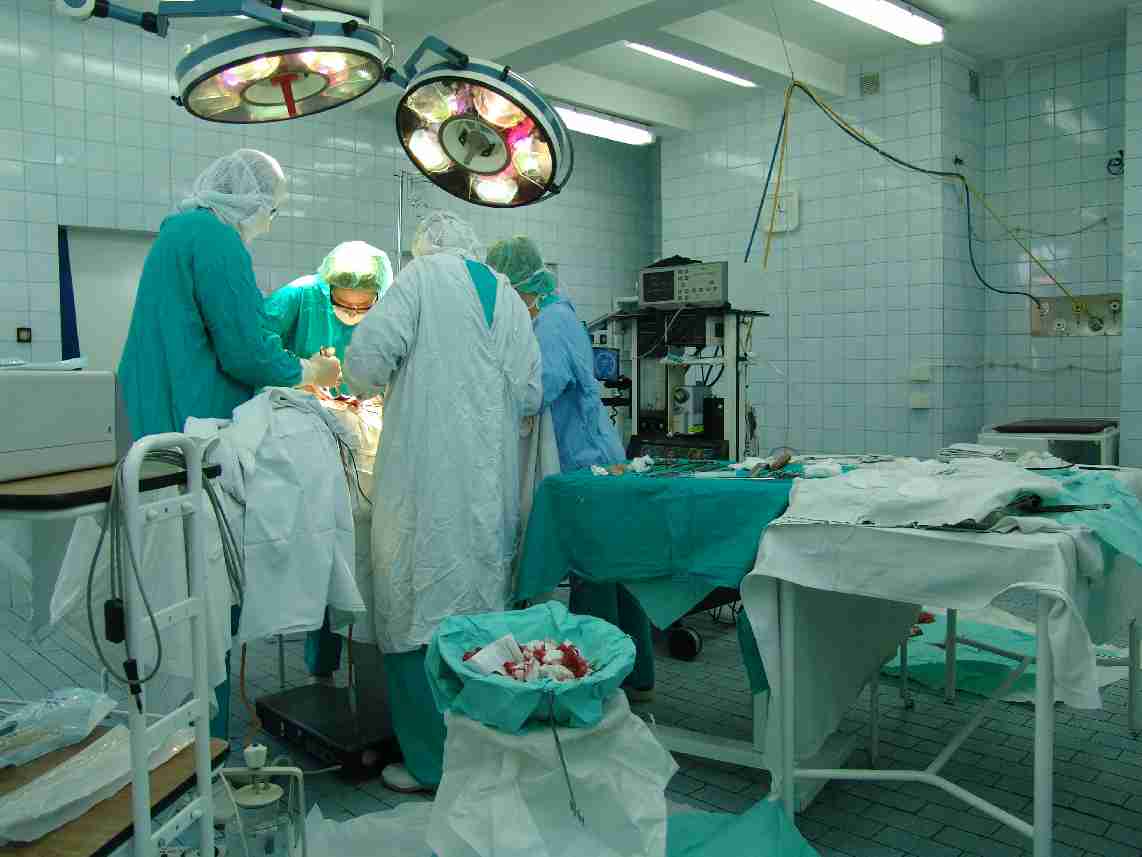
There were a dozen people in the OR. This is a stock photo.
Once the patient was asleep, the chief resident made a large midline incision. Blood and clots came out as he reached the peritoneal cavity. The anesthesiologist ordered two units of red blood cells. I literally had to be careful not to get splashed as bloody sponges were tossed into the kick bucket in rapid succession.

The chief and the attending opposite him pulled the incision open like an emergency C-section, and then the chief reached in to explore the patient’s body with their hands. The chief resident emerged and passed something to the scrub tech, who placed it on her mayo stand, just a foot away from me. It was the head and shoulders of a fetus—a tiny, perfect bust the size of a plum. Next, they found the uterus and pulled it up. I could see it: part of it was a healthy pink, but one corner was mangled, raw, purple, and bleeding. They then explored the surrounding organs, and found the sigmoid colon nearly transected, the proximal and distal limbs held together by a pencil-sized strand of mucosa or mesentery (I couldn’t tell). When they pulled that up, there was an instant of silence as everyone in the room mentally said something between “oh my gosh” and an explicit oath.

“We need colorectal,” the attending said commandingly.

“Colorectal?” repeated the circulator, lifting the phone.

“Stat,” replied the chief resident.

The other medical student, who had already been on the trauma service, turned to me and said, “that’s worse than I ever saw on trauma.”

Again, stock photo. The OB/GYNs didn't need
headlights or loupes (or that sternotomy
retractor), but the rest is accurate.
Then began the fastest and bloodiest hysterectomy I’ve ever seen (and the only supracervical hysterectomy I’ve ever seen). As they cut away the fallopian tubes and ovaries, I heard the anesthesiologist say, “can we get two units stat?” The OB/GYNS continued to work like machines, clamping vessels and cutting uterine muscle, while the anesthesiologist updated them: the patient’s blood pressure was dropping, and he couldn’t get it up. “We need a trauma tray,” he finished.

“Trauma tray!” confirmed the circulator.

The anesthesiologist was starting an arterial line at the patient’s wrist. Beneath the sterile towels he’d draped over her arm, I saw that her fingers and fingernails were white, like the bodies we’d dissected in gross anatomy. The patient had started as a beautiful shade of bronze—she must have lost a lot of blood to be sheet-white like that! I started to pray.

Colorectal arrived—an attending and two fellows. Because I was the only one in the room without a job, I gave them the one-liner presentation. “This is an **-year-old female with perforated uterus and sigmoid after therapeutic abortion earlier today.”

“I heard,” the attending said grimly. He and one of the fellow got gloves and gowns. The OB/GYN attending looked up at them, her bloodied gloves holding two enormous clamps that disappeared into the patient’s pelvis. Her expression was remarkably calm. “We’re almost done,” she said. “We’re taking out the uterus.”

At that moment, my pager went off. I thanked the attending and went to see the patient I was paged about. It was a very boring “trauma,” for which I did nothing and the patient was wheeled (completely stable) to the CT scanner. As soon as I was free again, I went back up to the OR. The case had just ended, and the chief was writing the post-op note in the physician’s lounge.

I only had one question for him: did she make it?

“Yeah,” he said. He told me about the remainder of the case, most of which I don’t remember. I talked with the medical student the next day and he had more information.

“It was a cornual pregnancy,” he said. “So whoever was doing the abortion was going to perforate the uterus no matter what.” He knew I was against abortion, and I expected he said this so that I didn’t go on an abortionists-are-so-incompetent march. What he said fit with the appearance of the uterus—one corner destroyed.

“She also got a colostomy,” the med student went on. “And she didn’t know that. So when I went to round on her this morning and asked her how she was doing with a colostomy, she didn’t know what I was talking about. And she was pretty upset when she found out.”

This woman lost her baby, her uterus, and part of her colon. Although her colon would probably be reanastomosed later, she currently had a colostomy and unexpected time away from work, plus a long new scar and postop pain. Add to this that she was not safe during this surgery: her blood pressure was very low during it, and I was afraid for her life.

*SIGH* Stock again; her baby would have been much
smaller, less developed, and in the horn of the uterus.
I was very unhappy for her. Laws were recently enacted in my area to require preop ultrasound. Would preop ultransound have shown the location of her fetus? Had it been done? Had it been done carefully and well? Did they rule out cornual pregnancy? Did they see it but think they could do it anyway? Did they tell her she had a cornual pregnancy? Did they really give good informed consent?

I left with the overwhelming feeling that abortion clinics don’t provide best medicine to patients. And I already this, but now it was impressed on me forever: abortion hurts women.

Thursday, August 22, 2013

Ultrasounds before Abortions

Have you ever been so angry you couldn't speak? I have been meaning to write about a talk I attended, given by Dr. Rebecca Kukla on ultrasound viewing before abortion. Dr. Kukla argued that ultrasound screening has become a ritual in our society to establish parenthood and add (prematurely and irrationally) a new member to the family. Performing an ultrasound and explaining the findings to a woman desiring to end her pregnancy would thus cause unnecessary and severe psychological trauma. She also argued that this imposed moral harm on physicians as it required them to violate their fundamental duties to patients.

I have been meaning to write this post since January. I have kept the folded-up flier from the talk in my desk since then. There it sat, outlasting the semester, my STEP studying, and my move to a different city. Usually, when I keep a piece of paper as a reminder to complete a task (e.g. a blog post, or mailing something, or running an errand), the having of the paper bothers me just enough to make me want to complete the task. But this time, I preferred to keep the paper rather than write the post. I just couldn't do it.

Every time I sat down to do it I would formulate the ghost of an argument, take out the paper, unfold it, look at it, and recall the tone and content of the argument. The first few wisps of a post that I had would evaporate as I would become angry. Not desiring to be angry, I would just put the paper and the idea away.

Today I realized the pattern. And now the flier is in the trash, but I have a decision to make (I am literally making this decision as I type). I can either write the rebuttal now, or I can just forget about it.

I am still too angry for a level-headed, reasoned argument, so if you read this, Dr. Kukla, please excuse me as still young and full of idealism. I will strive to be professional, though.

Before most minor surgical procedures that require general anesthesia (e.g. cholecystectomy or gall bladder removal), an ultrasound or other imaging is done. Vaginal ultrasound is quite common in gynecology. It also doesn't stand out as uniquely invasive. (Ultrasound for cholecystectomy gets to the bile duct via the mouth, and I'm sure you can imagine how they stage colon cancer). Abortions actually become more like the minor surgical procedures they're touted to be when an ultrasound is performed. I would hope they're done anyway.

Adequate bedside manner during any exam or procedure in which a person is awake but unable to interpret the findings includes explaining the findings. "Mrs. Anderson, your lungs sound normal." "Ms. Patel, the skin biopsy is almost over and your back looks good." "Mr. Deere, this darkish color on the ultrasound means you have a lot of fat in your liver." Let's encourage abortionists to have good beside manner by requiring them to describe the findings. I would hope most of them do anyway.

Dr. Kukla's concludes that ultrasounds like this impinge on the physician's duty to do no harm, but she happily supports the procedure that follows, which will leave 14% of the women who undergo it with full PTSD (slide 42). (For reference, 15.2% of Vietnam vets have full PTSD.) Abortion increases the risk of suicide to 650% (slide 74), substance abuse (61 and following), and depression (9 and following)  is considered desirable, so desirable that even medically legitimate restrictions are deemed morally intolerable.

I think that's all I have to say. Dr. Kukla and I agree that vaginal ultrasound cannot be considered a kind of "rape," and we also agree that it's not ideal that these regulations come through a governing body (we'd both prefer they come through professional organizations). But I find her basic attitude (defending abortion while objecting to an ultrasound) to be inconsistent.

Thursday, March 21, 2013

How do pro-choice doctors think? (Part II)

(Part I) A lecturer mentioned the Mirena IUD as a good therapeutic for lots of gynecological problems, especially dysfunctional uterine bleeding. Over a few emails, I asked him about how the Mirena works and gently probed him about the abortifacient properties of Mirena. "If the Mirena can thin the endometrium in a patient who is still ovulating, couldn't this cause loss of an early embryo?" I asked.

 "Yes, it could," he answered. He beat around the bush, though, so I asked him point-blank: "Is blocking implantation abortifacient?"

Here's his answer. The two ellipses are his own, almost as if he's hemming and hawing in discomfort:
That's an ethical discussion, [mmatins]. I think most patients who are concerned and ask about it think of it in that regard...to me, it's not quite the same as intentionally ending an existing pregnancy, but it gets at the argument of when life begins: is it at conception, at implantation, at birth, etc...
How can someone say "that's an ethical discussion" and mean "that's a discussion I can't have?" Ethics permeates everything we do; it is the science or art of acting well! Ethics is so important to reproductive medicine, and it is precisely there that it is treated like it is irrelevant or relative.

When Obama tried this move I thought "psh, come on." When an OB/GYN tries it, I moan and think "who gave you a license??"

And imprecision we wouldn't put up with elsewhere: "it's not quite the same." Not quite? So how much? Should we put up limits? Should we establish best practice guidelines? Should we pass a law? Should we at least tell patients it's "not quite them same" instead of telling them "no, Mirena doesn't cause abortions"?

The insanity continues, though. I emailed a second professor. This woman is a brilliant maternal-fetal medicine OB/GYN with whom our whole class is in love over her funny (and manageable!) lectures. Here is what I asked her:
In your work you monitor, treat, and even operate on babies during delivery or even longer before they're born. I'm trying to reconcile this concern we have for fetuses with medical and surgical abortions. Sometimes we make sure babies are okay; other times we make sure they regress or are removed. How is this consistent?
She replied:
That is a big question and [there are] so many debatable topics possible there. I think a lot of the answer, from my standpoint, goes into counseling patients about what we know about certain diseases and therapies for intrauterine treatments. There will be many more in the future I'm sure, so right now, sometimes we are limited in fetal therapies. As for elective terminations, the same applies for extensive counseling for the patient. risks and benefits for terminations as well as for fetal procedures are key for patients making these decisions. Not sure if that answers your question. MFM is a very challenging field as there is very seldom a distinct line that helps us decide what therapies work....and very rarely, if ever, is there a predictive fetal test that is 100%! This makes the job of an MFM always challenging, and I am sure the role of the pregnant patient very frustrating and complex.
The advice to counsel patients completely is good (I will always do that) and the words about difficulties should be appreciated as coming from one with experience. But finally, she didn't answer my question. I replied, clarifying my question to
..."is the fetus a patient?" The answer is "no" in elective termination but "yes" in laser ablation for poly/olis (for instance). Why does the answer change?
And she said simply:
So, it seems that in the OB world, in regards to procedures, many decisions are made regarding the viability of the fetus (ie: would it be able to survive outside the uterus) at the time of the procedure.
I asked her whether elective terminations will be threatened by advances in NICU, and haven't heard back yet. But the answer to the question "how do pro-choice doctors think?" seems to be...they don't. When I ask them a question, they skirt it, and refer to vague principles about patient counseling and changing technologies that don't hold water.

I don't read intentions onto this omission (rather, I will hold that they are doing their best with what they have been given and I pray that they live long and never resist grace). At the same time, they just don't put two and two together. Stay tuned. We had the contraceptives lecture today, so this blog will scale the cliffs of insanity again before May.

Monday, March 11, 2013

How do pro-choice doctors think? (Part I)

A lecturer mentioned the Mirena IUD as a good therapeutic for lots of gynecological problems, especially dysfunctional uterine bleeding. He stated that it does not suppress ovulation.

I was puzzled, because per the package insert "[o]vulation is inhibited in some women using Mirena. In a 1-year study approximately 45% of menstrual cycles were ovulatory and in another study after 4 years 75% of cycles were ovulatory."

So I emailed him to ask.
Thank you so much for your lecture today.... I have a question about Mirena.

You said that Mirena does not suppress ovulation. But if it has contraceptive benefits, doesn't it have to suppress ovulation? I've heard defenses of Mirena against arguments that it is abortifacient, stating that its effects are primarily antiovulatory.
And he replied in a very timely manner!
Great question.... In a small minority of patients, the Mirena can suppress ovulation (probably from a "local" effect on the ovary), but in the majority of patients, it does not. The primary mechanism for contraception is complex, but is thought to be primarily by preventing sperm from being able to navigate up to the egg. This is by: 1) progestin effect on thickening cervical mucous 1) progestin thinning of the endometrium to the point of "near atrophy," which doesn't allow for a substrate for sperm to swim on 3) slowing of motility within the fallopian tubes due to progestin which prevents sperm and egg movement. 
The possible abortifacient effects of IUDs is a common question that comes up in counseling patients. If fertilization had already occurred, and an IUD was then placed, it could act in that regard. However, that is not the primary mechanism for IUDs (again, they prevent sperm penetration to the egg). The copper IUD is actually FDA approved for emergency contraception because of that effect. That is one of the reasons that we try to place IUDs following a menstrual cycle. That way we know it is not acting as a potential abortifacient. Hope that is helpful.... 
So, per the package insert again:
The local mechanism by which continuously released levonorgestrel enhances contraceptive effectiveness of Mirena has not been conclusively demonstrated. Studies of Mirena prototypes have suggested several mechanisms that prevent pregnancy: thickening of cervical mucus preventing passage of sperm into the uterus, inhibition of sperm capacitation or survival, and alteration of the endometrium.
I wasn't trying to trap my professor or anything (I only looked up the package insert this morning as I typed this post). But the insert doesn't say anything about capacitation. It's quite likely he's read something else since the package insert came out.

But my professor didn't say anything about the possibility of a woman who had ovulated with a Mirena inserted during a previous cycle and who conceived. So I emailed him again.
I looked at the package insert and saw that 45% of women are ovulatory during the first year of use. If the Mirena can thin the endometrium in a patient who is still ovulating, couldn't this cause loss of an early embryo?
And he answered,
Yes, it could. As I mentioned, if fertilization did happen, an IUD can prevent implantation (ie, the copper IUD is FDA approved for emergency contraception). The main point is that that is not the primary mechanism for how IUDs work. In addition to preventing implantation, a bigger gyn concern with the Mirena is the risk of ectopic pregnancy if fertilization occurred. As mentioned motility is slowed in the Fallopian tube, so a pregnancy is more likely to not "make it" to the uterus, and implant in the tube. We would have a high suspicion for an ectopic if someone conceived with a Mirena in place. Still, the contraceptive efficacy of IUDs is extremely high (similar, in fact, to tubal ligation), so all of this would be significantly rare.
"Significantly rare"? "The main point"?? "The bigger...concern"???

Here's how I hear what he's saying:
Yes, Mirena could result in death of a baby. As I mentioned, if a person was conceived, an IUD can prevent them from implanting. But the main point is that's not the way things usually go. The bigger concern is ectopic pregnancy and the danger to the adult person's life if a new person is conceived. Still, the pre-fertilization efficacy of IUDs is extremely high, so all of this would be rare enough so that we can ignore it and prescribe anyway.
I'm sure that's not what the professor thinks. He probably does not think human life beings at sperm-egg fusion, or he holds that premise but is like the man in Aristotle's categories:
There is nothing to prevent a man's knowing that A belongs to all B and B to all C, and yet thinking that A does not belong to C (e.g., knowing that every mule is barren and that this is a mule, and thinking that this animal is pregnant); for he does not know that A belongs to C unless he considers the two premises together. (Prior Analytics II.21.67 a33-37)
Is that's what's going on? I wanted to find out. So I emailed our best OB/GYN professor. More on that later.

Tuesday, March 5, 2013

The Unborn as Spoken about in Med School

Some interesting language touching unborn patients in my STEP 1 review book (emphasis added):
Week 4 Heart begins to beat (504) 
Aminoglycosides [cause] CN VIII toxicity. [Mnemonic is] A mean guy hit the baby in the ear. (506) 
Warfarin [causes] Bone deformities, fetal hemorrhage.... [Mnemonic is] Do not wage warfare on the baby... (506) 
Branchial arch derivatives [mnemonic:] ...children tend first to chew (1)... (510)
All that is pretty interesting, no? I especially think it's interesting that the mnemonics refer to fetuses as "babies" or "children" indirectly. The mnemonics are frequently student-made and they're also made by people who don't care about pleasing others, but who just want to know the facts. When you don't have to court readers, the truth shines more clearly.

On the other hand, fetal circulation is explained as though the fetus is an organ and magically becomes an "infant" upon exiting the womb:
3 important shunts: (1) Blood entering the fetus through the umbilical vein is conducted via the ductus venosus into the IVC to bypass the hepatic circulation.... At birth, [the] infant takes a breath....
And there have been a few interesting wordings in the practice test Qbank, too. I'm not sure how those are copyrighted, but here are some phrases:
[There is a birth defect in] the fetus at 34 weeks of gestation. The baby is born alive at term...
[Maternal diabetes caused some birth defects and the mother] blames herself for 'not caring enough for my baby.'
We had a female reproductive pathology lecture last week, and the lecturer referred to endometritis as largely a thing of the past in this country thanks to legal abortions, and said in a regretful tone that it is seen more often in places where abortion is illegal. (I believe she probably meant to say that endometritis is not often seen in places where abortions are not performed or are done antiseptically, and is often seen where abortions are performed without antisepsis. But "no abortions" cannot ever be spoken of for some reason.) And she used the term "products of conception" and its abbreviation "POC" for the first time in our medical careers.

And we had a lecture today by an IVF doc who said on one of his first slide: "Processes of cell division are prone to errors that are significant and uncorrectable when an individual is represented by one or few cells." and he said aloud in comment that errors like this are tough when "you're only one cell." (I added the emphasis in both quotes.) Yet, his lecture talked all about IVF, and he presented a case where a couple went through (shudder) six embryos for one live birth.

And will our OB/GYN lecturer please stop calling the unborn people "parasites," even in jest? Would calling anyone else a parasite be even remotely acceptable?

Figure A. Parasite

Figure B. Fetus

Sunday, February 24, 2013

Coffee with the Culture

Based on a coffee I had with a classmate the other day. All I did was omit her name.

The other day I met up with the Culture for coffee. She picked the place: it was a fashionable, relaxed coffeehouse, with catchy rock playing so softly that unless you listened, you would miss the profanities woven into the lyrics.

We got our steaming paper cups and sat down opposite each other at a round little table near the center of the room. Since we were only acquaintances, so I asked about her day. It was busy, she said; she'd been interviewed. I told her I'd been studying most of the day, and I didn't mention that I went to Mass that morning.

I asked about her background, to get to know her. She was very educated—in engineering, neuroscience, and medicine—but had complaints about the U.S. educational system, that no one learns to think. She wants more people to study philosophy and spoke much about recent scholarship and discoveries about older cultures. The books she recommended to me all sounded interesting, but they all sounded like negations of past assumptions. (I guess that's what still sells.) They all sounded like history and sociology, not what I know as philosophy.

Her mother identified with one religion but supported her when she chose to follow no religion at all, keeping only some remnants of her culture's behavioral standards. Her father was not much a part of her life. She'd chosen no religion, and told me she would never indoctrinate her children. "No scripture is true," she said once or twice. I felt like I was being used for archery practice and started praying with my fingers in sign language under the table. I l-o-v-e Y-o-u. I l-o-v-e S-a-c-r-e-d S-c-r-i-p-t-u-r-e.

Currently her studies were focused on medical ethics, she said. She spoke about conscience boundaries and patient autonomy (a few more arrows, right to the heart). She spoke about changing cultures and values, and the need to adjust what physicians are expected to do to include not only contraception and abortion but euthanasia. It was, after all, only a choice that should be available to patients. She was permeated with relativism. I didn't turn anything into a debate, but when she literally said, "there are no absolutes," I pointed out that this is an absolute. She seemed mildly confused and thought that she must have made a misstatement.

But she was polite and asked me about myself. I told her that I had a bachelor's in liberal arts and studied philosophy and theology; as usual, I expected that she didn't know what I really meant. And she didn't. How could she? I studied the objective and absolute truth and began to learn to find it; she does not believe that such a thing exists. To her I have a bachelor's degree in Fairies or Heliocentrism. I had to work to avoid feelings of embarrassment whenever she mentioned a philosopher that I hadn't heard of, since I spent most of college reading Aristotle, with a few landmark treatises before 1900.

Our conversation touched practical ethics, too. She told me how appalled she was to learn that a certain pro-life physician she'd discovered did prenatal ultrasounds and hid bad news from patients (fearing that they would abort). She though this was horrible.

Happy to find some ground for agreement, I agreed that he was not serving his patients well. (I didn't state why I thought so, but I will for you: a good pro-life doctor should share what he finds with patients and refer them to perinatal hospice, so that they could prepare for the birth of their child and parent them well). I didn't go into my reasons because I had a burning question to ask her. "Is this behavior always wrong?" I asked her.

"Yes," she replied.

"But you think good is relative," I responded. "Why would this always be wrong?"

Many words followed my question, but no answer came with them. The right thing is dependent on circumstances and culture and values, but there are some things that she would never do and which offend her, and which...no one should do.

"I think there is one right thing and one happiness," I said, "and that's why some things are undeniably bad for everyone."

She was quick to say much about how different people pursue different things and that she doesn't agree with me. But eventually she asked me, "What is happiness?"

"Love," I said. We all hunger for it, and try to find it in all kinds of ways.

"And what is the opposite of love?"

I looked at her levelly. "Apathy," I answered. I wanted to explain more, but she did not want to hear it today.

As we left and went out to the parking lot, she was still puzzling that "nothing is absolute" is an absolute. But I am not sure if a thousand coffee dates would ever sway her, so deeply ingrained is everything. Finally, coffee and words are just occasions; grace changes and intercession and penance open the gates to it.